

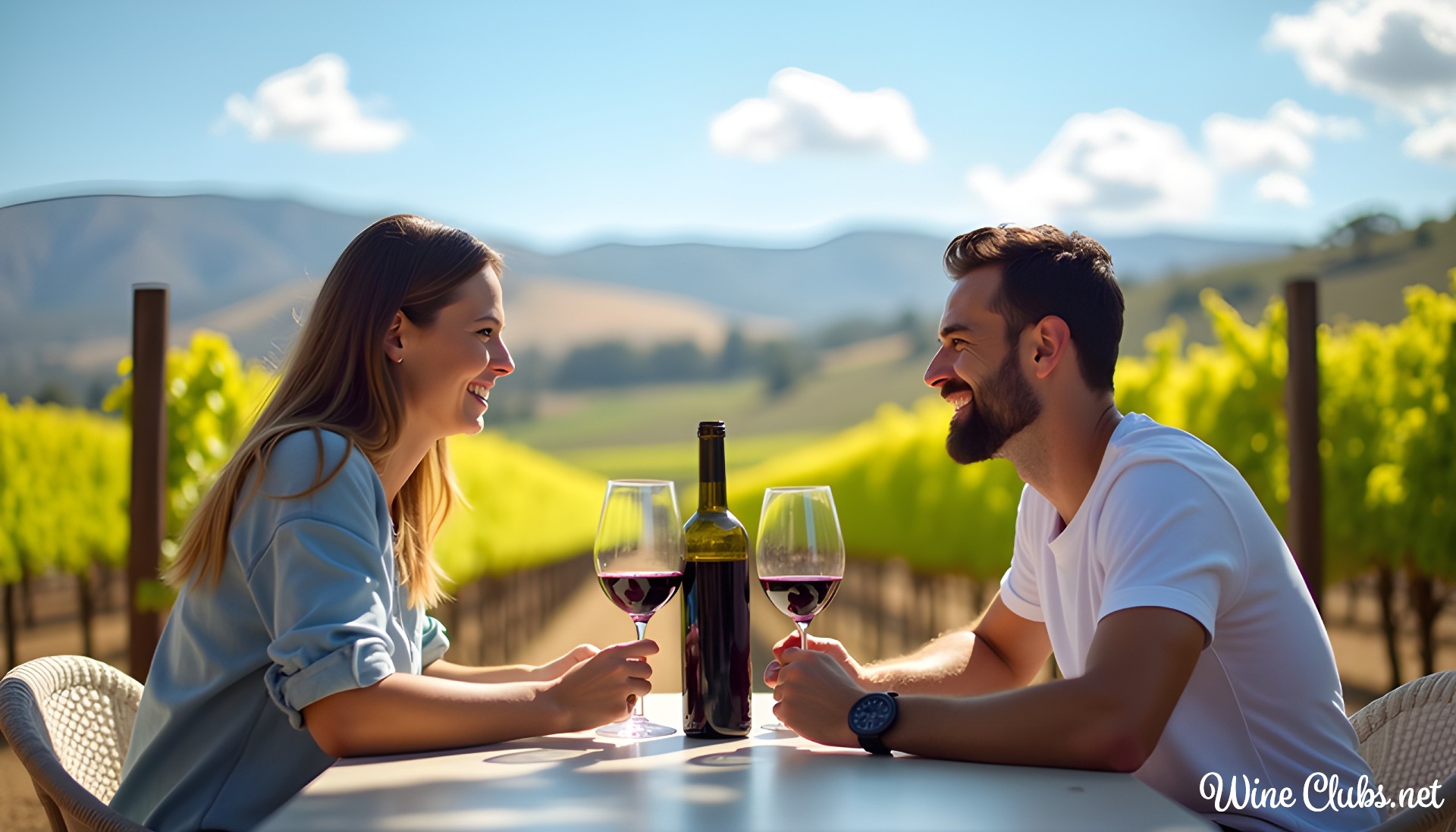
Red wine clubs deliver curated selections of the world’s finest red wines—from bold Cabernet Sauvignon and elegant Pinot Noir to structured Bordeaux blends and powerful Italian reds. Whether you’re a Cabernet enthusiast, Pinot Noir devotee, or explorer seeking diverse red wine styles from around the globe, red wine club memberships connect you with exceptional wines matched to your preferences and budget. After reviewing over 150 wine clubs since 2002, we’ve identified the best red wine clubs that deliver outstanding quality, expert curation, and genuine value for red wine lovers.
What Makes a Red Wine Club “Best”?
The best red wine clubs share these essential qualities:
- Exceptional red wine selection from premium regions and producers
- Expert curation by sommeliers or winemakers specializing in red wines
- Diversity of styles – bold Cabernet, elegant Pinot, structured Bordeaux, Italian reds, etc.
- Quality focus on wines expressing terroir and varietals authentically
- Educational approach teaching red wine appreciation and food pairing
- Flexible options for Cabernet-only, Pinot-only, or mixed red selections
- Value proposition delivering quality reds at fair prices
Bottom line: The best red wine clubs deliver exceptional red wines that showcase what makes red wine special—structure, complexity, aging potential, and perfect food pairing.
Top 10 Best Red Wine Clubs (2025)
1. The California Wine Club – Signature Series (Reds)
Best for: Premium California red wines from boutique wineries
Rating: ⭐⭐⭐⭐⭐ (5/5)
Our Take: The California Wine Club’s Signature Series stands as our top choice for red wine enthusiasts seeking premium California reds from small, family-owned wineries. Each month delivers two hand-selected red wines from a single boutique California winery—often producing just 1,000-5,000 cases annually—showcasing the incredible diversity of California red wine regions from Napa Valley to Paso Robles, Sonoma to Santa Barbara.
What sets this club apart is the focus on discovery and quality. You’ll receive wines from wineries you’ve never heard of, often unavailable in stores, all producing exceptional reds that compete with California’s famous names at better prices. Detailed winery profiles, winemaker stories, and information about each wine’s vineyard source create a comprehensive California red wine education.
The Signature Series emphasizes Cabernet Sauvignon, Pinot Noir, Zinfandel, Syrah, and Bordeaux blends—California’s signature red varietals—from regions where they excel. You’re learning California red wine geography while discovering outstanding producers committed to quality over quantity. For serious California red wine lovers, this club delivers unmatched value and discovery.
Wines: Premium California red wines from boutique wineries, 2 bottles monthly
Pricing: Around $50-60/month for 2 bottles plus shipping
Pros:
- Exceptional California red wine quality
- Discover small, unknown wineries
- Detailed winery profiles and education
- Focus on premium California red regions
- Wines unavailable elsewhere
- Support family-owned wineries
- 100% satisfaction guarantee
- Educational approach to California reds
- Excellent value for quality level
- Skip or cancel flexibility
Cons:
- California reds only (no international)
- Only 2 bottles per shipment
- Shipping costs extra
- No control over specific selections
- Single producer monthly (less variety within shipment)
Who should join: California red wine enthusiasts, Cabernet and Pinot Noir lovers, those seeking boutique winery discoveries, supporters of small California producers

—
2. Napa Valley Wine Club – Reserve Red Selection
Best for: Premium Napa Valley Cabernet Sauvignon and Bordeaux blends
Rating: ⭐⭐⭐⭐⭐ (5/5)
Our Take: For Cabernet Sauvignon lovers and Napa Valley devotees, the Napa Valley Wine Club’s Reserve Red Selection delivers the quintessential Napa experience—bold, structured Cabernet and Bordeaux-style blends from the world’s premier Cabernet region. Each shipment showcases Napa’s finest red wine terroir, from valley floor power to mountain vineyard elegance.
The Reserve Red Selection focuses on premium Napa Valley producers crafting age-worthy Cabernet Sauvignon, Merlot, and Bordeaux blends that define what makes Napa special—concentrated fruit, structured tannins, French oak influence, and wines that improve with cellaring. You’ll receive wines from established estates and emerging producers, all committed to expressing Napa’s unique terroir.
What makes this club exceptional is the quality-to-price ratio. Napa Cabernet often commands $75-150+ retail prices; the wine club delivers comparable quality wines at $25-40 per bottle through direct winery relationships. You’re experiencing Napa Valley’s red wine excellence without the premium tourist pricing.
Wines: Napa Valley Cabernet Sauvignon, Merlot, Bordeaux blends
Pricing: Premium tier, typically $80-120/month
Pros:
- Focus on Napa Valley Cabernet excellence
- Premium quality at better-than-retail prices
- Age-worthy, cellar-quality reds
- Bordeaux-style blends and single varietals
- Educational Napa Valley terroir focus
- Wines from established and emerging producers
- Perfect for Cabernet enthusiasts
- Collectible wines worth cellaring
- Comprehensive tasting notes
Cons:
- Napa Valley only (no other regions)
- Premium pricing
- Focus on Cabernet (limited varietal diversity)
- Best appreciated by serious red wine drinkers
- Wines may need aging for optimal enjoyment
Who should join: Cabernet Sauvignon enthusiasts, Napa Valley lovers, collectors of age-worthy reds, those appreciating structured, powerful red wines
—
3. Firstleaf – Red Wine Selection
Best for: Affordable red wine exploration and personalization
Rating: ⭐⭐⭐⭐ (4/5)
Our Take: Firstleaf offers the most affordable entry to red wine club membership with personalized selections based on your palate preferences. Starting at just $44.95 for 6 bottles (under $7.50 per bottle) with frequent promotional pricing even lower, Firstleaf makes red wine exploration accessible to everyone—from budget-conscious enthusiasts to those building their red wine knowledge.
The service begins with a palate quiz determining your red wine preferences (bold vs. light, fruity vs. earthy, tannic vs. smooth), then delivers personalized red wine selections each month. You can customize every shipment, swapping wines to match your evolving tastes, and a rating system learns your preferences—improving recommendations with each box you rate.
Firstleaf’s value proposition makes red wine experimentation affordable. At $7.50 per bottle, you can taste Cabernet from California, Malbec from Argentina, Tempranillo from Spain, and Pinot Noir from Oregon without worrying about expensive mistakes. This encourages the exploration essential to discovering which red wine styles you love.
Wines: Global red wine variety matched to palate quiz
Pricing: $44.95/month for 6 bottles ($7.49/bottle), first box often $29.95
Pros:
- Extremely affordable red wine exploration
- Palate quiz personalizes red wine selections
- Full customization before each shipment
- Rating system refines recommendations
- Global red wine variety
- No commitment – skip or cancel anytime
- Free shipping
- Satisfaction guarantee
- Good for learning red wine preferences
- First box discount
Cons:
- Budget pricing means variable quality
- Some wines lack established provenance
- Limited premium red wine options
- Algorithm can miss preferences
- Not for serious collectors
Who should join: Budget-conscious red wine lovers, those exploring red wine preferences, value seekers, beginners building red wine knowledge
Read our complete Firstleaf Wine Club review →
—
4. Paso Robles Wine Club – Red Wine Focus
Best for: Bold, powerful California reds and Rhône-style wines
Rating: ⭐⭐⭐⭐⭐ (5/5)
Our Take: Paso Robles Wine Club specializes in the bold, powerful red wines that made Paso Robles California’s hottest wine region—Rhône-style blends (Syrah, Grenache, Mourvèdre), robust Zinfandel, structured Cabernet Sauvignon, and Bordeaux blends that thrive in Paso’s warm days and cool nights. If you love big, bold California reds with power and personality, this club delivers Paso’s finest.
Paso Robles produces some of California’s most exciting red wines—blends influenced by Châteauneuf-du-Pape and Côte-Rôtie, old-vine Zinfandel with intense fruit concentration, and Cabernet Sauvignon that rivals Napa at half the price. The wine club showcases both established Paso producers and emerging estates, all crafting reds that express Paso’s unique terroir.
What makes Paso Robles special for red wine lovers is the value proposition. These are world-class reds—$25-40 wines that taste like $75-100 bottles from Napa or Bordeaux. The region’s limestone soils, dramatic temperature swings, and passionate winemakers create red wines with structure, complexity, and aging potential at remarkably fair prices.
Wines: Paso Robles red wines – Rhône blends, Zinfandel, Cabernet, Bordeaux blends
Pricing: Mid-range, excellent value for quality
Pros:
- Bold, powerful California red wines
- Rhône-style specialization (Syrah, GSM blends)
- Exceptional value for quality
- Old-vine Zinfandel excellence
- Discover Paso Robles terroir
- Wines that age beautifully
- Support emerging California wine region
- Educational Paso Robles focus
- Better prices than Napa for similar quality
Cons:
- Paso Robles only (regional focus)
- Bold style not for everyone
- Limited if you prefer elegant vs. powerful reds
- California-only selections
Who should join: Lovers of bold, powerful reds, Rhône-style wine enthusiasts, Zinfandel fans, value-conscious Cabernet drinkers, Paso Robles explorers
—
5. Bourdeaux Wine Club – French Bordeaux Specialists
Best for: Classic French Bordeaux and Bordeaux-style blends
Rating: ⭐⭐⭐⭐⭐ (5/5)
Our Take: For lovers of classic French red wine, Bordeaux Wine Club delivers authentic Bordeaux from châteaux producing wines the way they have for centuries—Cabernet Sauvignon and Merlot-based blends with structure, elegance, and aging potential that define fine red wine. This is red wine tradition, terroir, and Old World winemaking at its finest.
The club sources wines from Left Bank (Cabernet-dominant, structured, age-worthy) and Right Bank (Merlot-dominant, softer, earlier-drinking) Bordeaux châteaux, showcasing the diversity within this legendary region. You’ll receive wines from classified growths, family estates, and emerging producers—all crafting Bordeaux blends that express their specific terroir.
What makes Bordeaux special for red wine enthusiasts is the combination of history, terroir classification (the 1855 Classification and others), and wines designed for aging and food pairing. These are reds that improve with cellaring, pair beautifully with beef and lamb, and represent winemaking traditions dating back centuries. Bordeaux Wine Club makes these classic reds accessible and educational.
Wines: French Bordeaux blends from Left and Right Bank châteaux
Pricing: Mid to premium range
Pros:
- Authentic French Bordeaux from châteaux
- Classic Old World red wine style
- Age-worthy wines with cellaring potential
- Educational Bordeaux classification system
- Left Bank and Right Bank variety
- Perfect for food pairing (beef, lamb)
- Learn historic wine region
- Collectible wines
- Traditional winemaking methods
Cons:
- Bordeaux only (regional focus)
- May require aging for optimal enjoyment
- Old World style not for everyone
- Can be tannic and structured (patience required)
- Premium pricing for classified growths
Who should join: Bordeaux enthusiasts, collectors of age-worthy reds, lovers of classic French wine, those appreciating Old World elegance and structure
—
6. Sonoma Wine Club – Pinot Noir Specialist
Best for: Premium California Pinot Noir from cool-climate regions
Rating: ⭐⭐⭐⭐⭐ (5/5)
Our Take: Sonoma Wine Club’s Pinot Noir program delivers exceptional California Pinot Noir from Sonoma County’s cool-climate regions—Russian River Valley, Sonoma Coast, and beyond—where fog, ocean breezes, and skilled winemakers create Pinot Noir rivaling Burgundy’s finest. For Pinot Noir devotees, this club showcases California’s most elegant red wine.
Pinot Noir demands specific conditions: cool climate, extended growing season, and meticulous winemaking. Sonoma provides these perfectly, producing Pinot with complexity, bright acidity, silky texture, and the varietal’s signature red fruit, earth, and floral characteristics. The wine club features both established Pinot specialists and emerging producers, all crafting wines expressing Sonoma’s diverse terroir.
What makes Sonoma Pinot Noir special is the balance between California fruit ripeness and Burgundian elegance. These wines offer New World generosity without losing Old World structure and complexity—the best of both approaches. For Pinot lovers seeking California expressions with sophistication and terroir, Sonoma delivers consistently.
Wines: Sonoma County Pinot Noir, cool-climate focus
Pricing: Premium pricing reflecting Pinot quality
Pros:
- Focus on California’s best Pinot Noir region
- Cool-climate Russian River Valley excellence
- Elegant, complex Pinot expressions
- Terroir-driven winemaking
- Rivals Burgundy at better prices
- Perfect food pairing wine (salmon, duck, mushrooms)
- Educational Sonoma terroir focus
- Both established and emerging producers
- Wines with aging potential
Cons:
- Pinot Noir only (varietal focus)
- Sonoma County regional limitation
- Premium pricing
- Not for lovers of bold, powerful reds
- Requires appreciation for elegance over power
Who should join: Pinot Noir enthusiasts, lovers of elegant vs. powerful reds, Burgundy fans seeking California alternatives, food pairing focused wine lovers
—
7. Italian Wine Club – Red Wine Selection
Best for: Italian red wines – Barolo, Brunello, Chianti, Amarone
Rating: ⭐⭐⭐⭐⭐ (5/5)
Our Take: Italian Wine Club specializes in Italy’s incredible diversity of red wines—from powerful Barolo and Brunello to classic Chianti and rich Amarone, showcasing why Italy produces some of the world’s most food-friendly and terroir-expressive red wines. For lovers of Italian wine and cuisine, this club delivers authentic Italian reds from prestigious regions.
Italy’s red wine diversity is unmatched: Nebbiolo from Piedmont (Barolo, Barbaresco), Sangiovese from Tuscany (Chianti, Brunello di Montalcino), Corvina from Veneto (Valpolicella, Amarone), and indigenous varietals from every region. The wine club features selections from classic Italian wine regions, teaching you Italian wine geography, varietals, and the deep connection between Italian wine and food.
What makes Italian reds special is their design for food pairing—high acidity, moderate alcohol, structured tannins, and savory characteristics that complement Italian cuisine perfectly. These aren’t wines to drink alone—they’re meant for pasta, risotto, osso buco, and aged cheeses. Italian Wine Club helps you understand this food-wine synergy.
Wines: Italian red wines from Piedmont, Tuscany, Veneto, and beyond
Pricing: Mid to premium range
Pros:
- Incredible Italian red wine diversity
- Classic regions (Barolo, Brunello, Chianti)
- Food-pairing perfection
- Educational Italian wine geography
- Indigenous varietals unavailable elsewhere
- Traditional Italian winemaking
- Age-worthy wines (Barolo, Brunello)
- Support Italian family estates
- Learn Italian wine classification (DOCG, DOC)
Cons:
- Italian wines only (regional focus)
- May require food pairing to fully appreciate
- Old World style not for everyone
- Some wines need aging
- Shipping costs from Italy
Who should join: Italian wine enthusiasts, lovers of food-friendly reds, Barolo and Brunello fans, those appreciating Old World winemaking traditions
—
8. Oregon Pinot Noir Club
Best for: Oregon Pinot Noir from Willamette Valley and beyond
Rating: ⭐⭐⭐⭐ (4/5)
Our Take: Oregon Pinot Noir Club delivers exceptional Pinot Noir from Oregon’s Willamette Valley and emerging regions, showcasing American Pinot Noir that rivals Burgundy with distinctive Oregon character—bright acidity, red fruit purity, earthy undertones, and elegant structure. For Pinot enthusiasts seeking New World expressions with Old World sensibility, Oregon delivers consistently.
Oregon’s cool, wet climate creates ideal Pinot Noir conditions—long growing seasons, natural acidity retention, and moderate alcohol levels produce wines with balance and complexity. The wine club features both established Oregon Pinot producers and emerging estates from sub-AVAs like Dundee Hills, Eola-Amity Hills, and Ribbon Ridge—each expressing unique volcanic and sedimentary soil characteristics.
What distinguishes Oregon Pinot is the Burgundian approach—many Oregon winemakers trained in Burgundy or embrace Burgundian philosophy, creating Pinot with restraint, elegance, and terroir expression rather than power. These are thinking person’s Pinots—subtle, complex, rewarding contemplation and food pairing.
Wines: Oregon Pinot Noir from Willamette Valley and emerging regions
Pricing: Premium pricing reflecting Oregon Pinot quality
Pros:
- Focus on Oregon’s signature varietal
- Burgundian-style elegance
- Bright acidity and balance
- Terroir expression from volcanic soils
- Sustainable/organic viticulture common
- Perfect food pairing wines
- Age-worthy with proper cellaring
- Educational Oregon AVA focus
- Support Oregon family wineries
Cons:
- Oregon Pinot only (varietal and regional focus)
- Premium pricing
- Vintage variation (Oregon weather challenges)
- Not for lovers of powerful reds
- Limited to Pacific Northwest
Who should join: Pinot Noir devotees, Burgundy lovers seeking alternatives, Oregon wine supporters, those appreciating elegant, food-friendly reds
—
9. Spanish Wine Club – Tempranillo and Beyond
Best for: Spanish red wines – Rioja, Ribera del Duero, Priorat
Rating: ⭐⭐⭐⭐ (4/5)
Our Take: Spanish Wine Club showcases Spain’s incredible red wine heritage—from oak-aged Tempranillo in Rioja and Ribera del Duero to powerful Garnacha and Cariñena in Priorat, introducing members to Spanish red wines that offer world-class quality at exceptional value. For lovers of Old World reds with character and affordability, Spanish wines deliver consistently.
Spain produces diverse red wine styles: traditional oak-aged Rioja (Crianza, Reserva, Gran Reserva), modern fruit-forward Ribera del Duero, powerful mineral-driven Priorat, elegant Mencía from Bierzo, and countless regional specialties. The wine club features selections teaching Spanish wine geography, classification systems, and the relationship between Spanish wine and cuisine.
What makes Spanish reds special is the combination of quality and value—Spain offers some of the world’s best wine bargains. You can find exceptional 10-20 year-old Gran Reservas for $30-50, while comparable aged Bordeaux or Napa wines cost $100+. Spanish Wine Club makes these discoveries accessible and educational.
Wines: Spanish red wines from Rioja, Ribera del Duero, Priorat, and beyond
Pricing: Mid-range with exceptional value
Pros:
- Incredible value for quality
- Diverse Spanish regional selection
- Traditional oak-aged styles (Rioja Reserva)
- Modern fruit-forward expressions
- Age-worthy wines at fair prices
- Educational Spanish wine classification
- Perfect food pairing (tapas, paella, lamb)
- Discover indigenous Spanish varietals
- Support Spanish family estates
Cons:
- Spanish wines only (regional focus)
- May require food pairing to fully appreciate
- Oak influence not for everyone
- Old World style different from California
- Shipping costs from Spain
Who should join: Spanish wine enthusiasts, value-conscious collectors, lovers of oak-aged reds, those appreciating Old World winemaking, food-pairing focused wine lovers
—
10. Argentinian Malbec Club
Best for: Argentine Malbec from Mendoza and high-altitude vineyards
Rating: ⭐⭐⭐⭐ (4/5)
Our Take: Argentinian Malbec Club specializes in Argentina’s signature red wine—Malbec from Mendoza’s high-altitude vineyards producing wines with intense fruit concentration, velvety tannins, and the distinctive characteristics that made Argentine Malbec a global phenomenon. For Malbec lovers and those seeking bold, fruit-forward reds at excellent value, this club delivers Argentina’s finest.
Argentina transformed Malbec from minor Bordeaux blending grape to world-class varietal through high-altitude viticulture (2,000-5,000+ feet elevation), intense sunlight, dramatic temperature swings, and old-vine plantings. The result: Malbec with deeper color, riper tannins, more concentrated fruit, and distinctive character compared to French expressions.
The wine club features Malbec from different Mendoza sub-regions (Luján de Cuyo, Uco Valley, Maipú) and altitude levels, teaching how elevation affects wine style. You’ll discover everything from approachable everyday Malbec to premium high-altitude single-vineyard selections—all offering exceptional quality-to-price ratios that make Argentine wine so appealing.
Wines: Argentine Malbec from Mendoza and high-altitude regions
Pricing: Affordable to mid-range, excellent value
Pros:
- Focus on Argentina’s signature varietal
- Exceptional value for quality
- High-altitude terroir expressions
- Bold, fruit-forward style
- Velvety tannins and smooth texture
- Perfect for grilled meats (asado)
- Educational altitude wine focus
- Old-vine Malbec character
- Affordable premium wine exploration
Cons:
- Malbec-focused (limited varietal diversity)
- Argentine wines only
- New World style not for everyone
- Less complexity than Old World reds
- Shipping from Argentina
Who should join: Malbec enthusiasts, lovers of bold fruit-forward reds, value-conscious wine drinkers, Argentine wine explorers, steak lovers seeking perfect pairing wines
—
Red Wine Styles and What to Expect
Bold, Full-Bodied Reds
Characteristics: High tannins, concentrated fruit, powerful structure, alcohol 13.5-15%+
Varietals:
- Cabernet Sauvignon: Black currant, cedar, tobacco, structured tannins
- Syrah/Shiraz: Black fruit, pepper, smoke, bold and spicy
- Malbec: Plum, blackberry, chocolate, velvety tannins
- Zinfandel: Jammy berries, black pepper, high alcohol, fruit-forward
- Petite Sirah: Inky dark, intensely tannic, concentrated fruit
Regions: Napa Valley, Paso Robles, Barossa Valley (Australia), Mendoza (Argentina), Priorat (Spain)
Food Pairing: Grilled steaks, braised short ribs, aged hard cheeses, rich stews
Best for: Those who love powerful, structured wines; red meat enthusiasts; cellaring/aging wines
—
Medium-Bodied, Balanced Reds
Characteristics: Moderate tannins, balanced fruit and acidity, versatile, alcohol 12.5-14%
Varietals:
- Merlot: Plum, cherry, soft tannins, approachable
- Sangiovese: Cherry, earth, tomato leaf, bright acidity
- Tempranillo: Red fruit, leather, tobacco, oak influence
- Grenache: Red berries, spice, soft tannins, elegant
- Barbera: Cherry, high acidity, low tannins, food-friendly
Regions: Bordeaux Right Bank, Tuscany (Chianti), Rioja (Spain), Rhône Valley, Paso Robles
Food Pairing: Roasted chicken, pasta with red sauce, pizza, charcuterie, medium-aged cheeses
Best for: Versatile wine drinkers; those seeking food-friendly reds; everyday drinking wines
—
Light to Medium-Bodied, Elegant Reds
Characteristics: Lighter tannins, bright acidity, delicate fruit, finesse, alcohol 12-13.5%
Varietals:
- Pinot Noir: Red cherry, raspberry, earth, mushroom, silky texture
- Gamay: Bright red fruit, floral, low tannins, juicy
- Mencía: Red fruit, minerality, fresh acidity, elegant
- Frappato: Strawberry, floral, light-bodied, delicate
- Zweigelt: Cherry, pepper, soft tannins, Austrian specialty
Regions: Burgundy, Willamette Valley (Oregon), Russian River Valley, Beaujolais, Bierzo (Spain)
Food Pairing: Salmon, duck, mushroom dishes, roasted vegetables, soft cheeses
Best for: Those who prefer elegance over power; food pairing enthusiasts; warm weather red wine drinking
—
How to Choose the Best Red Wine Club
Identify Your Red Wine Preferences
Understanding your preferences guides club selection:
Varietal Focus:
- Cabernet lovers: Napa Valley clubs, Bordeaux specialists
- Pinot Noir devotees: Sonoma clubs, Oregon Pinot specialists, Burgundy importers
- Italian wine fans: Italian wine clubs (Barolo, Brunello, Chianti)
- Explorers: Mixed red clubs featuring diverse varietals and regions
Style Preference:
- Bold and powerful: California Cabernet, Paso Robles Zinfandel, Argentine Malbec, Australian Shiraz
- Elegant and refined: Pinot Noir (Burgundy, Oregon, Sonoma), Nebbiolo (Barolo), Loire reds
- Food-friendly and versatile: Italian reds, Spanish Tempranillo, Rhône blends, Merlot
Regional vs. Global Selection
Decide between regional focus and global variety:
Regional Clubs (Napa, Paso Robles, Bordeaux, Italy):
- Pros: Deep education about specific terroir, consistent style, support local producers
- Cons: Limited variety, may tire of single region
- Best for: Those passionate about specific regions, collectors focusing on specific areas
Global Clubs (Mixed regions and countries):
- Pros: Maximum variety, compare different terroirs, broader education
- Cons: Less depth in any single region, inconsistent styles
- Best for: Explorers, those building comprehensive red wine knowledge
Aging Potential and Cellaring
Consider whether you want to cellar wines:
Age-Worthy Red Wine Clubs:
- Napa Cabernet clubs (5-15+ years cellaring potential)
- Bordeaux specialists (10-30+ years for classified growths)
- Premium Italian clubs (Barolo, Brunello age beautifully)
- High-end California Pinot (5-10 years)
Drink-Now Red Wine Clubs:
- Affordable clubs delivering ready-to-drink wines
- Lighter-bodied reds (Beaujolais, some Pinot)
- Value-focused selections
Choose based on whether you have cellar space and patience for aging wines.
Price and Value Considerations
Red wine clubs range dramatically in price:
- Budget ($40-70/month): Firstleaf, value-focused clubs, everyday drinking reds
- Mid-range ($70-120/month): California Wine Club, most specialty clubs, quality reds
- Premium ($120-200+/month): Napa Cabernet, Bordeaux, collectible reds, age-worthy wines
Balance quality expectations with budget. Premium red wines cost more due to vineyard land prices, oak barrel aging, and longer production cycles—but the quality difference is real.
Educational Value
The best red wine clubs educate members about:
- Red wine varietals and their characteristics
- Regional differences in red wine production
- Food pairing principles for red wines
- Aging potential and proper cellaring
- Tasting techniques for evaluating red wine
- Understanding tannins, structure, and balance
Choose clubs that enhance knowledge alongside delivering great wines.
Red Wine and Food Pairing Guide
Classic Pairings
Cabernet Sauvignon:
- Grilled ribeye steak, New York strip
- Braised short ribs, beef stew
- Aged hard cheeses (aged cheddar, Parmigiano-Reggiano)
- Roasted lamb with herbs
Pinot Noir:
- Roasted salmon, grilled tuna
- Duck breast, duck confit
- Mushroom risotto, truffle dishes
- Roasted chicken, game birds
- Soft cheeses (Brie, Camembert)
Merlot:
- Roasted pork loin, pork tenderloin
- Pasta with meat sauce
- Roasted chicken with herbs
- Medium-aged cheeses (Gouda, Gruyère)
Syrah/Shiraz:
- Grilled lamb chops, lamb shanks
- BBQ ribs, smoked meats
- Venison, wild game
- Spicy sausages, charcuterie
Zinfandel:
- BBQ pulled pork, ribs
- Grilled burgers with caramelized onions
- Pizza, especially with pepperoni or sausage
- Spicy dishes (handles heat well)
Italian Reds (Sangiovese, Nebbiolo, Barbera):
- Pasta with tomato-based sauces
- Osso buco, braised meats
- Aged Parmigiano-Reggiano, Pecorino
- Mushroom dishes, truffles
- Margherita pizza
Pairing Principles
Match weight: Light wines with lighter dishes, full-bodied wines with richer foods
Consider sauce: Match wine to sauce rather than protein (cream sauce = different wine than tomato sauce)
Fat cuts tannins: Fatty meats soften tannic wines (Cabernet + ribeye = perfect)
Acid balances richness: High-acid reds (Sangiovese, Barbera) cut through rich, fatty foods
Regional pairings work: Italian wine with Italian food, Spanish wine with Spanish tapas
Red Wine Club FAQs
Q: What’s the best red wine club for Cabernet Sauvignon lovers?
A: Napa Valley Wine Club specializes in premium Napa Cabernet Sauvignon and Bordeaux-style blends—the pinnacle of California Cabernet excellence. For French Cabernet-based wines, Bordeaux Wine Club delivers authentic Left Bank Bordeaux blends.
Q: Are red wine clubs more expensive than mixed clubs?
A: Red wine clubs typically cost the same as mixed clubs at comparable quality levels. However, premium red wine clubs (Napa Cabernet, Bordeaux) may cost more because age-worthy red wines require longer production cycles, expensive oak barrel aging, and premium vineyard land.
Q: Can I cellar wines from red wine clubs?
A: Yes! Many red wine clubs feature age-worthy wines designed for cellaring. Napa Cabernet, Bordeaux, Barolo, Brunello, and premium Pinot Noir all improve with 5-15+ years of proper cellaring. Budget clubs typically deliver drink-now wines without aging potential.
Q: What’s the difference between California and French red wines?
A: California reds (especially Napa Cabernet) tend toward riper fruit, higher alcohol, fuller body, and New World oak influence. French reds (Bordeaux, Burgundy) emphasize terroir, elegance, structure, and food pairing with more restrained alcohol and fruit. Both styles offer excellence—choose based on preference for power (California) vs. elegance (France).
Q: Which red wine club offers the best value?
A: Firstleaf offers exceptional value for red wine exploration at $7-8/bottle. For premium quality at fair prices, Paso Robles Wine Club and Spanish Wine Club deliver world-class reds at prices significantly below Napa or Bordeaux equivalents.
Q: Are there red wine clubs for Pinot Noir only?
A: Yes! Sonoma Wine Club and Oregon Pinot Noir Club specialize in Pinot Noir from regions where it excels. These clubs deliver depth in single varietal rather than breadth across many varietals.
Q: How should I store red wines from wine clubs?
A: Store red wines in cool (55-65°F), dark conditions away from temperature fluctuations. If cellaring long-term, maintain 55°F and 60-70% humidity. For everyday drinking wines (consume within 1-2 years), any cool, dark spot works fine—closet, basement, wine refrigerator.
Q: Do I need to decant red wines from wine clubs?
A: Young, tannic red wines (Cabernet, Barolo, Bordeaux) benefit from 30-60 minutes decanting to soften tannins and open aromatics. Older wines (10+ years) may need gentle decanting to separate sediment. Lighter reds (Pinot Noir, Beaujolais) typically don’t require decanting.
Q: What temperature should I serve red wine?
A: Serve red wine slightly below room temperature (60-65°F). Most people serve red wine too warm—refrigerate for 15-20 minutes before serving. Light-bodied reds (Pinot Noir, Beaujolais) can be served even cooler (55-60°F).
Q: Can I gift a red wine club membership?
A: Absolutely! Most red wine clubs offer gift memberships (3, 6, or 12 months). This makes an excellent gift for red wine enthusiasts, steak lovers, or anyone building their wine collection. Include a note explaining the club’s focus to help recipients appreciate the wines.
Explore More Wine Club Reviews
Interested in other wine club options? Check out our comprehensive guides:
- Best Wine Clubs → Our top-rated wine subscriptions across all categories
- Best Wine Clubs for Beginners → Perfect for starting your wine journey
- Best California Wine Clubs → California wine excellence
- All Wine Club Reviews → Browse our complete review library
Start Your Red Wine Journey
Red wine clubs connect you with the world’s finest red wines—from bold Napa Cabernet and elegant Burgundy Pinot Noir to powerful Paso Robles Zinfandel and age-worthy Italian Barolo. Whether you’re a Cabernet devotee, Pinot Noir enthusiast, or explorer seeking red wine diversity from around the globe, red wine club memberships deliver exceptional wines matched to your preferences, budget, and appreciation level.
The best red wine club for you depends on your varietal preferences (Cabernet vs. Pinot vs. mixed), regional interests (California vs. France vs. Italy), style preferences (bold vs. elegant), aging intentions (cellar vs. drink now), and budget. Start with clubs offering satisfaction guarantees and flexibility, allowing you to explore red wines risk-free while building your palate and knowledge.
Red wine represents winemaking tradition, terroir expression, and the perfect companion to great food. From everyday table wines to collectible cellar-worthy bottles, red wine clubs make discovering exceptional reds convenient, educational, and rewarding. You’ll taste wines unavailable in stores, learn from expert curation, and develop appreciation for what makes red wine special—structure, complexity, aging potential, and the magic that happens when great red wine meets great food.
Ready to discover exceptional red wines? Choose a club from our top 10 and start your red wine journey today! 🍷🥩
Related Resources
Best Wine Clubs – Top-rated wine subscriptions across all categories
Best California Wine Clubs – California wine excellence including Cabernet and Pinot Noir
Best Wine Clubs for Beginners – Perfect for starting your red wine journey
Wine Club Reviews – Complete library of honest wine club reviews
Wine Tasting Guides – Visit red wine regions worldwide