
So someone just called you an “oenophile” at a dinner party, and you nodded knowingly while secretly wondering if you should be flattered or offended. Don’t worry—you’re not alone. At WineClubs.net, we get asked “What does oenophile mean?” more often than “Should I open this $200 bottle or save it for a special occasion?” (The answer is always open it. Today IS the special occasion.)
Let’s dive into the wonderful, slightly pretentious, absolutely delightful world of wine enthusiasts and figure out if you’re officially one of us.
What Is an Oenophile? (Pronunciation Guide Included, You’re Welcome)
First things first: it’s pronounced “EE-nuh-file” (not “OH-no-file,” though that’s what your bank account says after your last wine club shipment).
An oenophile is simply someone with a deep appreciation for wine. The term comes from the Greek words “oinos” (wine) and “philia” (love). So technically, you’re a wine lover—but “oenophile” sounds way fancier at parties.
The practice of being obsessed with—sorry, I mean “appreciating”—wine is called oenophilia. It’s like being a foodie, but with better stemware and more stains on your clothes.
Quick Definition
Oenophile (noun): A wine connoisseur; someone who enjoys wine, typically as a serious hobby. Also: that friend who won’t let you buy the $8 bottle without a lengthy lecture about terroir.
Synonyms: Wine lover, wine enthusiast, wine savant, wine connoisseur, “that person who sniffs their glass for way too long”

Are You an Oenophile? Take This Completely Scientific Quiz
Before we get into the official characteristics, let’s see where you land on the oenophile spectrum:
- Have you ever used the word “terroir” in casual conversation? (+5 points)
- Do you own more wine glasses than coffee mugs? (+10 points)
- Have you attended a wine tasting where you actually spit the wine out? (+15 points, you monster)
- Can you pronounce “Gewürztraminer” without Googling it first? (+20 points)
- Do you have strong opinions about screw caps vs. corks? (+25 points)
- Have you ever planned a vacation specifically around visiting wineries? (+30 points)
- Do you belong to more than one wine club? (+50 points, and welcome to the club—literally)
Scoring:
- 0-20 points: Wine Curious (You like wine! That counts!)
- 25-50 points: Enthusiastic Amateur (You’re on your way!)
- 55-100 points: Certified Oenophile (One of us! One of us!)
- 100+ points: Professional Wine Nerd (Can we be friends?)

5 Signs You Might Be an Oenophile (Even If You Can’t Spell It)
1. You Have a Serious Affinity for Wine (Borderline Obsession, Really)
Let’s be honest: oenophiles don’t just “like” wine. They LOVE wine. They dream about wine. They name their pets after wine regions. (Looking at you, people who named their dog “Bordeaux.”)
True oenophiles don’t just drink wine—they research it, discuss it, and yes, sometimes bore their friends at dinner parties with passionate monologues about the difference between old-world and new-world Pinot Noir. If you’ve ever spent more time reading about wine than actually drinking it, congratulations: you might be an oenophile.
Telltale signs:
- You’ve willingly paid $50+ for a bottle (and didn’t even cry about it)
- You know the difference between a Burgundy glass and a Bordeaux glass
- You’ve used phrases like “jammy,” “barnyard,” or “notes of pencil shavings” without irony
- You own at least one wine-related book that isn’t just a collection of cocktail recipes
- You’re a member of premium wine clubs and actually excited when shipments arrive
Real oenophiles will pay premium prices for exceptional wines because they understand the difference between a $15 bottle and a $150 bottle. (Hint: It’s not just the extra zero.)

2. You Collect Wine Like Some People Collect Baseball Cards
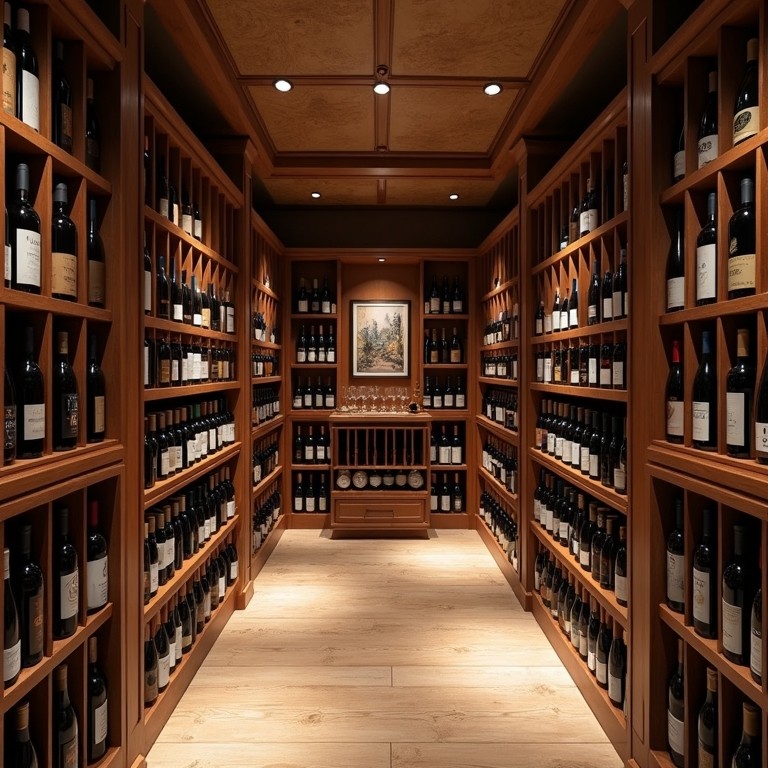
Some oenophiles drink wine. Others… well, they hoard it lovingly in temperature-controlled cellars.
Wine collectors are a special breed of oenophile. They’re the ones investing in proper wine storage, tracking vintage years, and maintaining spreadsheets of their collection. Yes, spreadsheets. We’re not judging—we’re impressed.
These folks get genuinely excited about cellaring potential and optimal drinking windows. They’ll buy a case of wine and not open a single bottle for five years. (The rest of us lack that kind of willpower and self-control.)
You might be a wine collector if:
- You own a wine fridge that cost more than your actual refrigerator
- You have a system for organizing your bottles (by region, varietal, vintage, or “level of fanciness”)
- You’ve bought wine you have no intention of drinking for at least a decade
- You get anxious when someone suggests drinking your “good stuff”
- You’ve joined international wine clubs to expand your collection globally
- You know which wines appreciate in value like fine art (and you’ve invested accordingly)
Wine collectors often become mini-experts on specific regions, vintages, and producers. They’re the people who can tell you why the 2010 vintage was particularly good for Napa Cabernet, and they have the receipts to prove it.
3. Wine Tastings Are Your Happy Place
Most people go to wine tastings to get a little tipsy on a Saturday afternoon. Oenophiles go to wine tastings to… well, actually taste the wine. Revolutionary concept, we know.
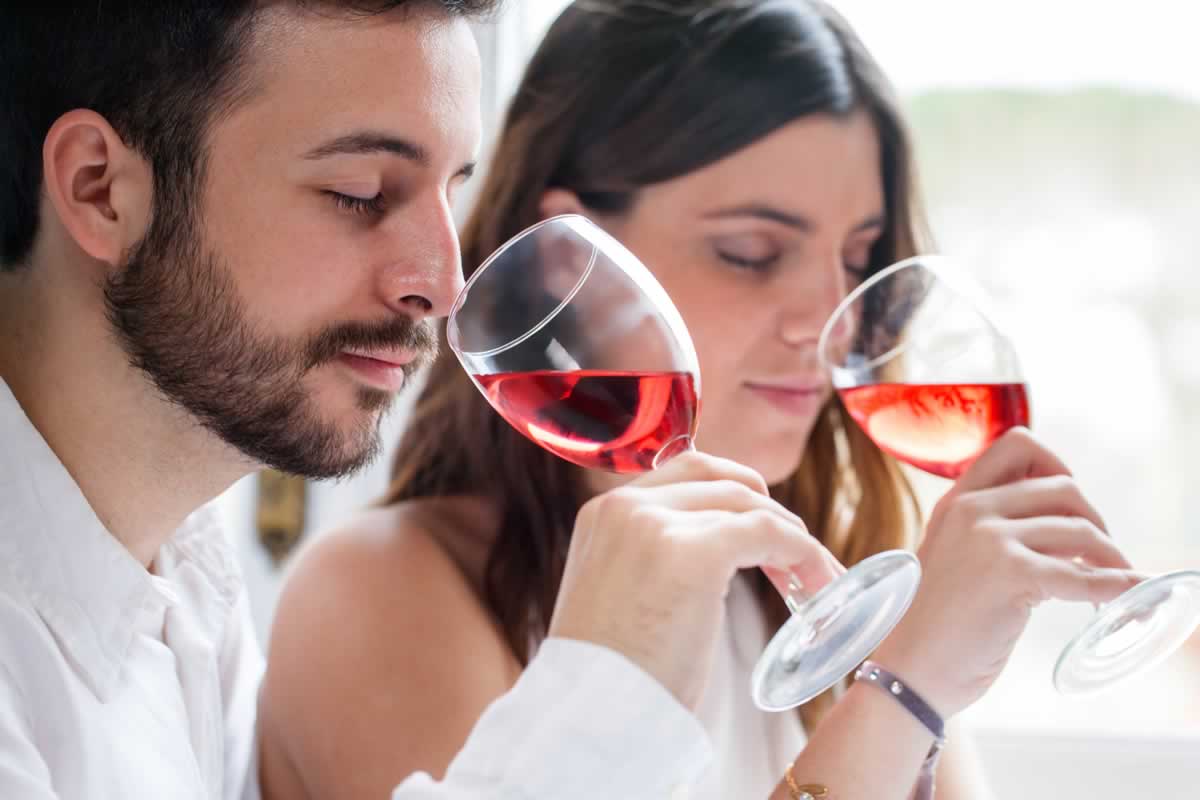
True wine enthusiasts approach tastings with the seriousness of a scientist conducting research. They swirl, sniff, sip, and—brace yourself—sometimes even spit. (We know, we know. It feels wrong. But it’s how professionals do it when they need to taste 50+ wines without ending up under the table.)
Oenophile tasting behaviors include:
- Actually taking notes during tastings
- Asking the pourer detailed questions about fermentation techniques
- Comparing vintages like you’re conducting peer-reviewed research
- Getting genuinely excited about barrel samples
- Planning wine country trips specifically to visit boutique wineries
- Joining wine tasting tours in multiple regions
Wine professionals—sommeliers, wine buyers, critics—are the ultimate oenophiles. They’ve turned their passion into a career. They taste wine for a living. (Yes, that’s an actual job. No, they’re not hiring. We already asked.)

4. You Love How Wine Makes You Feel (Intellectually Stimulated… and Maybe a Little Buzzed)
Here’s a little secret: You don’t have to be a wine expert to be an oenophile. You just have to genuinely love wine.
Maybe you can’t identify every note in a complex Bordeaux blend. Maybe you’re still learning the difference between Merlot and Malbec. That’s totally fine! If you get excited about trying new wines, enjoy learning about different regions and varietals, and appreciate the ritual of opening a good bottle, you’re already on the oenophile spectrum.
Casual oenophile tendencies:
- You have a favorite wine shop and the staff knows your name
- You actually read the wine descriptions at the store (instead of just grabbing whatever has a cool label)
- You’ve taken a wine class or attended a wine and food pairing dinner
- You get weirdly excited about wine gifts for birthdays and holidays
- You subscribe to at least one wine club and look forward to each shipment
Remember: wine snobbery is optional. Wine enthusiasm is what makes you an oenophile.

5. You Work in the Wine Industry (a.k.a. Living the Dream)
Wine merchants, sommeliers, vineyard managers, winemakers, wine writers, wine educators—these folks are oenophiles by profession. They’ve successfully merged their passion with their paycheck, and frankly, we’re all jealous.
These professional oenophiles are so deeply embedded in wine culture that they can’t help but be enthusiasts. It’s literally their job to know everything about wine, from vineyard soil composition to the perfect food pairings for an aged Barolo.
Professional wine world oenophiles include:
- Sommeliers who can recommend the perfect bottle for your dinner in 0.5 seconds
- Wine shop owners who stock rare bottles you’ve never heard of
- Winemakers who nurture grapes like they’re their children
- Wine club curators who select exceptional bottles for monthly shipments
- Wine writers and critics who taste hundreds of wines annually
- Wine educators who teach certification courses
If you’re in the wine industry, congratulations—you’re an oenophile whether you like it or not. It comes with the territory, along with impressive wine stains and an encyclopedic knowledge of obscure grape varieties.
Oenophile vs. Wino: What’s the Difference?
This is a question we get surprisingly often, so let’s address it: An oenophile appreciates wine as an art form and a craft. A wino just really likes getting drunk. It’s about intention, people.
Oenophiles savor wine. They think about flavor profiles, discuss winemaking techniques, and pair wines thoughtfully with food. They might enjoy a buzz, but that’s a pleasant side effect—not the main objective.
So no, ordering a box of wine for your Tuesday night Netflix binge doesn’t automatically make you an oenophile. But if you’re tasting that box wine critically and taking notes on the terroir… well, who are we to judge?
Vinophile vs Oenophile: Is There a Difference?
Here’s a fun fact that might surprise you: vinophile and oenophile mean exactly the same thing. Both terms describe someone who loves and appreciates wine. The only difference? Their linguistic origins. “Oenophile” comes from the Greek word “oinos” (wine), while “vinophile” derives from the Latin word “vinum” (also wine). So which term should you use? Honestly, either one works perfectly fine—though “oenophile” tends to be more commonly used in wine circles and sounds slightly fancier at dinner parties. Think of it like the difference between saying “tomato” and “tomahto”—same meaning, different flavor. Wine enthusiasts, wine connoisseurs, oenophiles, vinophiles—they’re all just people who really, really love wine. Pick whichever term makes you feel most sophisticated, and run with it!
Oenophile vs Sommelier: What’s the Difference?
While both oenophiles and sommeliers share a deep love of wine, there’s one key difference: a sommelier is a trained wine professional, while an oenophile is simply a wine enthusiast. Think of it this way—all sommeliers are oenophiles, but not all oenophiles are sommeliers. A sommelier has undergone extensive formal training and certification (often through organizations like the Court of Master Sommeliers), has expert knowledge of wine service, food pairings, and wine program management, and works professionally in restaurants or wine retail. An oenophile, on the other hand, might have extensive wine knowledge gained through personal study and tasting experience, but they pursue wine appreciation as a hobby rather than a profession. You can absolutely be an incredibly knowledgeable oenophile without any formal certification—many wine collectors and enthusiasts rival sommeliers in their expertise. The main distinction is that sommeliers have turned their passion into a profession with formal credentials, while oenophiles simply love wine for the pure joy of it. Both are equally valid ways to engage with the wonderful world of wine!

How to Become an Oenophile (If You’re Not Already)
Think you’ve got what it takes? Here’s your starter kit for developing serious oenophilia:
1. Join a Wine Club (or Three)
Wine clubs are an excellent way to explore different regions, varietals, and styles without doing all the research yourself. Plus, monthly wine deliveries feel like Christmas morning. Check out our Top 10 Best Wine Clubs to get started.
2. Visit Wineries
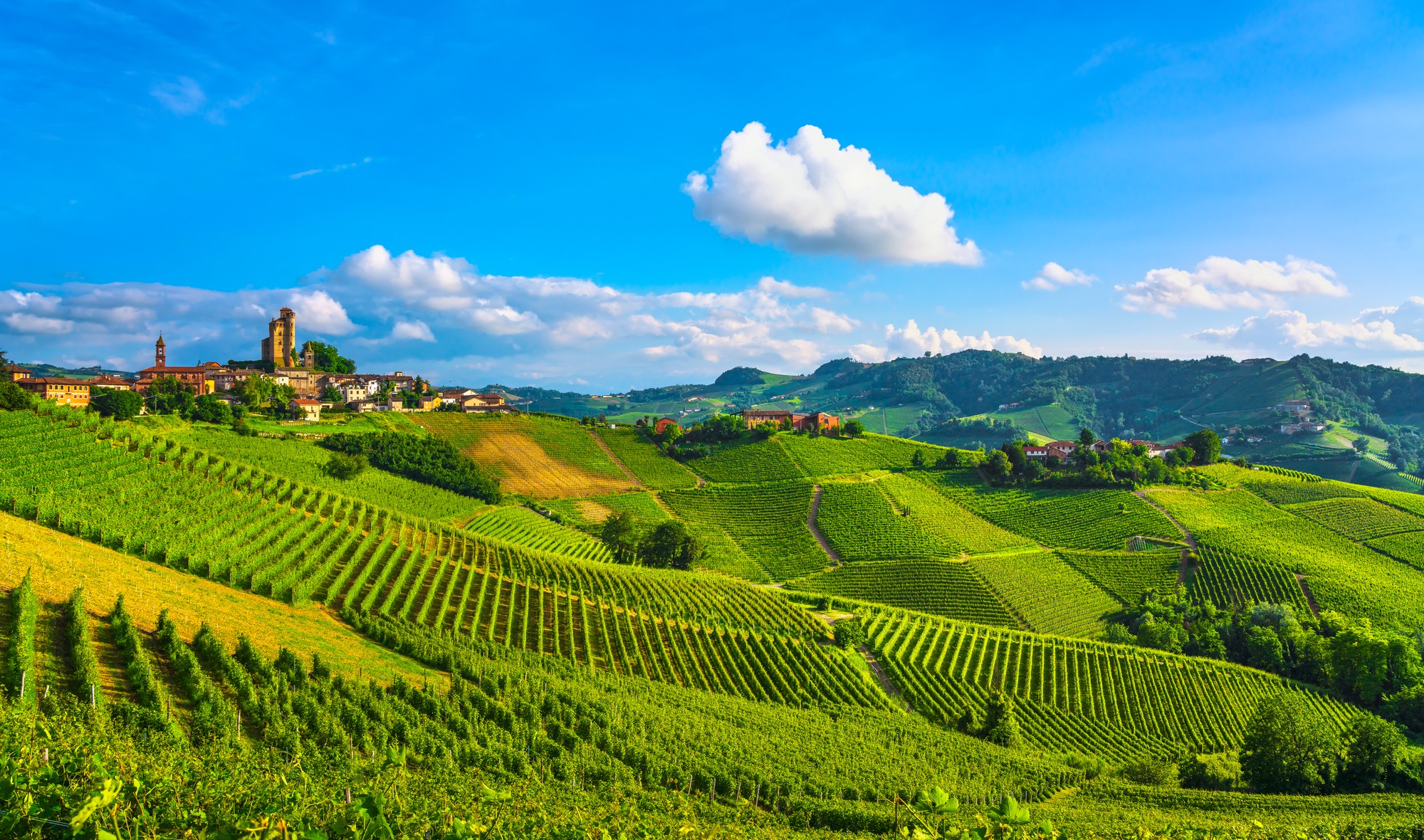
There’s nothing quite like tasting wine where it’s made. Visit wine regions, talk to winemakers, walk through vineyards, and develop a deeper appreciation for the craft. Bonus: beautiful scenery and day-drinking are socially acceptable.
3. Read Wine Books (Yes, Really)
Invest in a few good wine books. Learn about regions, grapes, and winemaking processes. Knowledge is power—and also great conversation material at dinner parties.
4. Take a Wine Class
Many wine shops, restaurants, and educational institutions offer wine classes. From beginner tastings to sommelier certification programs, there’s something for every level of interest.
5. Taste Widely and Often
The only way to develop your palate is to taste lots of different wines. Try new regions, unfamiliar grape varieties, and styles you think you won’t like. You might surprise yourself.
6. Invest in Proper Glassware
Yes, wine tastes better in proper glassware. No, you don’t need 47 different glass shapes. But a good set of all-purpose wine glasses will enhance your tasting experience considerably.
7. Find Your Wine People
Join a wine club (the social kind, not just the subscription kind), attend tastings, or start a wine night with friends. Wine is meant to be shared, discussed, and enjoyed with others who appreciate it.

Common Oenophile Mistakes (We’ve All Made Them)
Even seasoned wine lovers make these classic mistakes:
- Wine snobbery: There’s a fine line between enthusiasm and pretentiousness. Don’t be that person who judges someone’s wine choice.
- Overcomplicating it: Wine should be enjoyable, not stressful. If you like it, it’s good wine. End of story.
- Forgetting to actually drink it: Collectors, we’re looking at you. That bottle isn’t getting any younger, and neither are you.
- Ignoring budget-friendly wines: Expensive doesn’t always mean better. Some of the best wines are affordable gems.
- Only sticking to what you know: Branch out! Try new regions, unknown varietals, and different styles.

The Oenophile Lifestyle: What It Really Looks Like
Being an oenophile isn’t just about drinking fancy wine. It’s a lifestyle choice that includes:
- Planning vacations around wine regions (Napa Valley, anyone?)
- Having strong opinions about stemware
- Owning more corkscrews than any human reasonably needs
- Keeping a mental list of wines you want to try
- Actually using words like “mouthfeel” and “finish” in everyday conversation
- Getting unreasonably excited about wine club shipment days
- Collecting wine-related books, accessories, and memorabilia
- Following wine regions, producers, and critics on social media

Final Thoughts: Embrace Your Inner Oenophile
So, are you an oenophile? If you’ve made it this far in the article, signs point to yes.
But here’s the beautiful truth: oenophilia exists on a spectrum. You don’t need to be a Master Sommelier or own a 10,000-bottle cellar to call yourself a wine lover. You just need genuine appreciation for wine—the craft, the flavors, the experience, and yes, the occasional delightful buzz.
Whether you’re just starting your wine journey or you’ve been collecting for decades, whether you prefer $10 bottles or $1,000 bottles, whether you can identify 47 different notes in a glass or you just know what you like—if wine brings you joy, you’re an oenophile.
Welcome to the club. Now let’s open something good and celebrate.
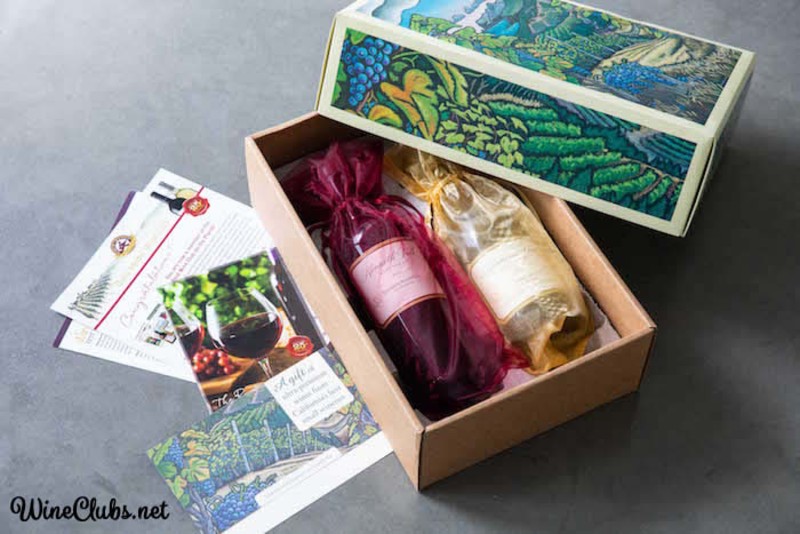
Ready to Feed Your Oenophilia?
Looking to explore exceptional wines and expand your palate? Check out our comprehensive wine club reviews to find subscriptions that match your taste and budget. From California wine clubs to international selections, we’ve personally tested over 150 wine clubs to help you discover your next favorite bottle.
Start your wine journey today:
- Top 10 Best Wine Clubs – Our highest-rated subscriptions
- Winery Directory – Plan your next wine country adventure
- Wine Reviews – Detailed tasting notes on individual bottles
- Wine Gifts – Perfect presents for fellow oenophiles
Have a question about wine or want to share your oenophile journey? Contact us—we’d love to hear from you!
Bottom line: An oenophile is anyone who loves wine enough to learn about it, explore it, and share that passion with others. No wine degree required—just enthusiasm, curiosity, and a good corkscrew.
Cheers to your inner oenophile! 🍷