
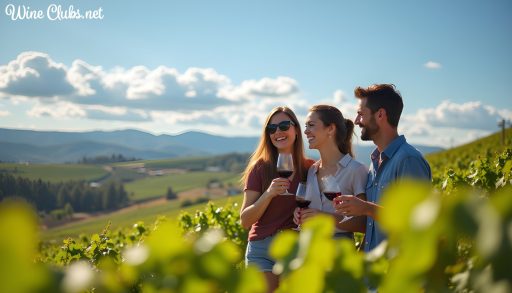
Paso Robles has emerged from obscurity to become one of California’s most exciting wine regions, producing bold Zinfandels, exceptional Rhône varietals, and innovative blends that rival wines from anywhere in the state. After two decades visiting Paso Robles, we’ve watched this Central Coast region transform from sleepy cowboy town to world-class wine destination—all while maintaining the laid-back, authentic character that makes visiting here so enjoyable.
This guide covers everything you need to plan successful Paso Robles wine tasting—understanding the region’s unique character, navigating east side versus west side, when to visit, making reservations (or not), sample itineraries, and insider tips that help you experience Paso like locals do.
Looking for Specific Paso Robles Wineries?
This page helps you plan your Paso Robles wine tasting trip—logistics, timing, and strategy.
For a list of specific Paso wineries to visit, see our complete Paso Robles wineries directory →
Why Paso Robles Should Be on Your Wine Country Bucket List
Exceptional Value Without Compromise
Paso Robles delivers quality that rivals Napa and Sonoma at prices that won’t make you wince:
- Tasting fees: $15-25 per person (many still offer complimentary tastings)
- Wine prices: $20-45 per bottle for excellent quality (cult wines higher, but still reasonable)
- Accommodations: $100-250 per night for good hotels (vs. $300-500+ in Napa)
- No pretension: Genuine Central Coast hospitality without attitude
Bold, Distinctive Wines
Paso Robles produces wines with character and power:
- Zinfandel: Bold, jammy, fruit-forward expressions that define California Zin
- Rhône varietals: Syrah, Grenache, Mourvèdre, Viognier thriving in Mediterranean climate
- Bordeaux blends: Cabernet Sauvignon-based wines with ripe fruit and structure
- Italian varietals: Sangiovese, Barbera, Nebbiolo finding a California home
- Innovative blends: Winemakers experimenting fearlessly with combinations
Relaxed, Approachable Atmosphere
Paso maintains its cowboy-town roots despite wine country growth:
- Many wineries don’t require reservations (spontaneity lives!)
- Tasting room staff are down-to-earth and genuinely welcoming
- Winemakers are often around and happy to chat
- No dress code—come as you are
- Less crowded than Napa or Sonoma, even on weekends
Stunning Scenery
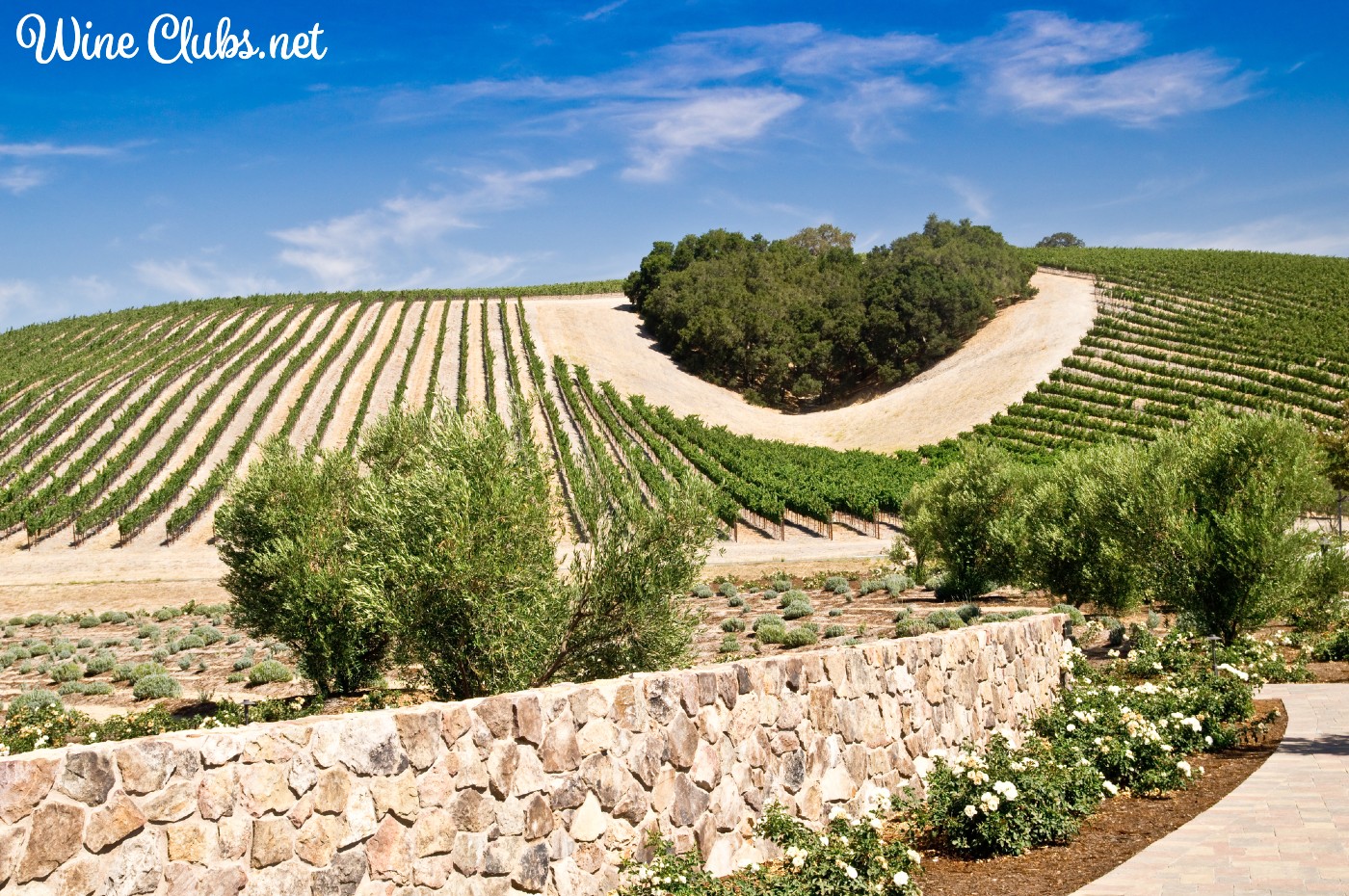
Rolling hills covered with vineyards and ancient oak trees create landscapes that rival Tuscany. The drive from winery to winery is half the experience.
Year-Round Sunshine
Paso Robles enjoys 300+ days of sunshine annually. While coastal California wine regions deal with fog, Paso basks in warmth—ideal for ripe, fruit-forward wines.
Understanding Paso Robles Wine Country
Geography: East Side vs. West Side
Highway 101 divides Paso Robles into two distinct wine regions with dramatically different characteristics:
Paso Robles Eastside
Climate: Hot days (90-100°F+ summer), cool nights (40-50°F drop), low rainfall
Soils: Calcareous (limestone-based), well-draining
Signature wines: Zinfandel, Cabernet Sauvignon, Rhône reds (Syrah, Grenache, Mourvèdre)
Character: Bold, ripe, fruit-forward wines with power and intensity
Landscape: Rolling hills, oak trees, warmer and drier
Vibe: More spread out, rural, adventurous exploration
Best for: Those seeking big, bold reds and authentic wine country exploration
Paso Robles Westside (Adelaida District, Willow Creek District)
Climate: Cooler due to coastal influence, more temperature moderation
Soils: Calcareous with more diversity, some volcanic influence
Signature wines: Bordeaux varietals, elegant Rhône wines, Pinot Noir (cooler spots)
Character: More restrained, elegant wines with complexity and structure
Landscape: Higher elevations, dramatic views, cooler microclimates
Vibe: Smaller producers, hillside vineyards, more intimate
Best for: Those seeking elegance and complexity, beautiful drives
The Divide Matters
This isn’t marketing—the east/west difference is real and significant. East side Zinfandel tastes dramatically different from west side Bordeaux blends. Many visitors explore both sides to experience Paso’s full range.
Paso Robles AVA
In 2014, Paso Robles was divided into 11 sub-AVAs recognizing distinct terroirs. While wine geeks appreciate these distinctions, most visitors focus on the broader east/west divide.
When to Visit Paso Robles
Spring (March-May): Ideal Weather
Pros:
- Perfect weather—warm days (70-85°F), comfortable evenings
- Rolling hills turn green (brief window before summer heat)
- Wildflowers bloom across vineyards
- Fewer crowds than summer
- Easier reservations (when needed)
- Lower accommodation prices than peak season
- Zinfandel in Bloom festival (typically May)
Cons:
- Occasional spring rain (rare but possible)
- Some wineries have reduced hours early spring
Best for: Those seeking ideal weather and fewer crowds
Summer (June-August): Hot and Busy
Pros:
- All wineries fully staffed and open
- Long daylight hours for extended tasting
- Summer concert series at wineries
- Lively atmosphere in downtown Paso
- Guaranteed sunshine
Cons:
- HOT—regularly 95-105°F+ in afternoon
- Most crowded season (though still less than Napa/Sonoma)
- Higher accommodation prices
- Brown, dry hills (California summer reality)
- Air conditioning essential in cars and hotels
Best for: Those who love heat, families (summer vacation), concert-goers
Fall (September-November): Harvest Season
Pros:
- Harvest excitement—watch crush and fermentation
- Weather cools to comfortable (80-90°F September, 70-80°F October-November)
- Harvest Wine Weekend (October)—region’s signature event
- Golden hillside colors
- Winemakers accessible despite busy season
- Fresh grape aromas everywhere
Cons:
- Popular weekends book up (especially Harvest Wine Weekend)
- Some wineries prioritize production over hospitality
- Dust from harvest activity
Best for: Wine enthusiasts wanting harvest experiences, photographers
Winter (December-February): Quiet Season
Pros:
- Fewest crowds—most intimate experiences
- Lowest accommodation prices
- Easy winery access, many walk-ins welcome
- Personalized attention from staff and winemakers
- Holiday events (December)
- Comfortable temperatures (60-70°F typically)
- Green hills after winter rains
Cons:
- Some wineries close or reduce hours
- Rain possible (though Paso is relatively dry)
- Shorter daylight hours
- Bare vines (less picturesque)
- Some outdoor experiences unavailable
Best for: Locals, serious wine lovers, budget travelers, those seeking solitude
Our Recommendation
April-May or September-October offer the best balance—comfortable weather, beautiful scenery, manageable crowds, and good availability.
Avoid July-August unless you love extreme heat. The 100°F+ temperatures make midday wine tasting genuinely uncomfortable.
How Long to Stay in Paso Robles
Day Trip (Possible from SLO, Very Rushed from Other Cities)
If you’re in San Luis Obispo (15 minutes away), a day trip works for 2-3 wineries. From Santa Barbara (2 hours) or Monterey/Carmel (2 hours), you’ll spend more time driving than tasting. Better to stay overnight.
Weekend (2-3 Days): Perfect Introduction
Day 1:
- Arrive midday
- 2-3 eastside wineries (Zinfandel focus)
- Dinner in downtown Paso Robles
Day 2:
- 3-4 westside wineries (Bordeaux blends, Rhône varietals)
- Lunch at winery or Templeton
- Evening in Paso or depart
Day 3 (if staying):
- 2 morning wineries (either side or specific targets)
- Explore downtown Paso, lunch
- Afternoon departure
Total wineries: 7-9 quality visits covering both sides
Extended Stay (4-5 Days): Comprehensive
Allows deeper exploration:
- Thorough coverage of east and west sides
- Visit 12-15 wineries without rushing
- Experience different wine styles and elevations
- Include non-wine activities (hiking, hot springs, coastal drives)
- Build relationships with winemakers
- Attend winery events or concerts
Combining with Coastal Exploration
Many visitors combine Paso Robles with:
- San Luis Obispo: 15 minutes away, college town charm
- Morro Bay: 30 minutes, coastal town with iconic Morro Rock
- Cambria/Hearst Castle: 45 minutes, coastal beauty and historic mansion
- Santa Barbara: 2 hours south, beach town with its own wine region
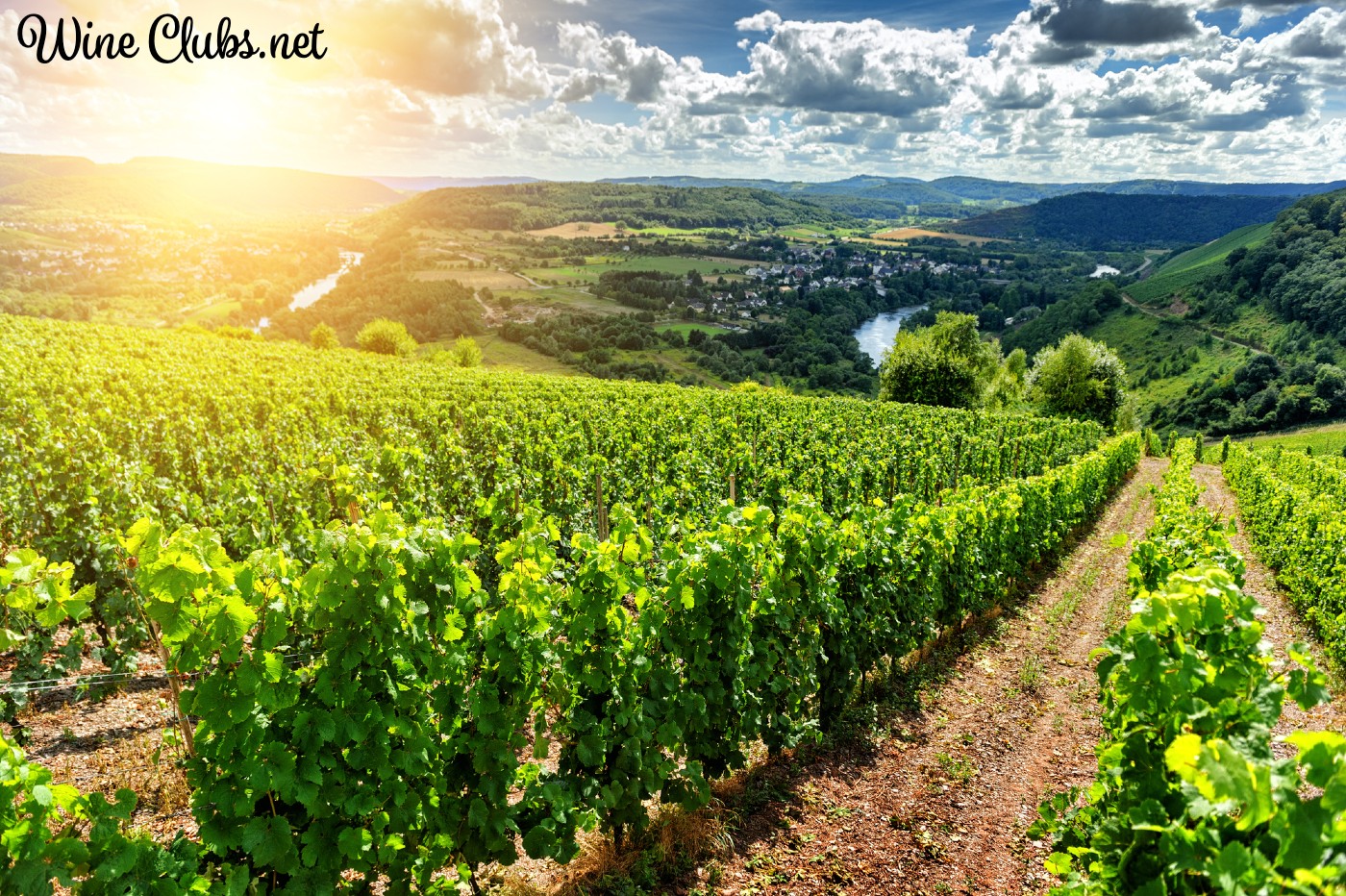
Paso Robles Wine Tasting Reservations
The Reservation Reality
Unlike Napa, Paso Robles maintains a more spontaneous feel:
Many wineries DON’T require reservations:
- Especially smaller, family-owned operations
- Weekdays are generally walk-in friendly
- Even weekends, many welcome drop-ins
Some DO require reservations:
- Larger, more established wineries
- Wineries offering tours or seated tastings
- Appointments-only boutique producers
- Weekends during peak season (summer, fall)
Our Recommendation
Book 1-2 “anchor” wineries you definitely want to visit (call a week ahead). Then leave flexibility for spontaneous discoveries. This hybrid approach works beautifully in Paso.
Call ahead same-day for wineries you’re interested in. Many can accommodate you immediately or within an hour.
Embrace spontaneity: If you’re driving by a winery that looks interesting, stop and ask. You’ll often get in.
When Reservations Help
- Harvest Wine Weekend (October)—book well ahead
- Summer weekends
- Groups of 6+
- Special experiences (tours, food pairings, private tastings)
- Ultra-premium boutique producers
Sample Paso Robles Itineraries
Weekend Itinerary: East Side + West Side (2-3 Days)
Day 1: Eastside Exploration (Saturday)
- 10:30 AM: Arrive Paso Robles, check in
- 11:30 AM: First eastside winery (Zinfandel specialist)
- 1:00 PM: Lunch (pack picnic or visit winery with food)
- 2:30 PM: Second eastside winery (Rhône blends)
- 4:30 PM: Third eastside winery (Cab or mixed portfolio)
- 6:30 PM: Return to hotel, freshen up
- 7:30 PM: Dinner in downtown Paso Robles
Day 2: Westside Adventure (Sunday)
- 10:00 AM: First westside winery (Bordeaux blends, hillside views)
- 12:00 PM: Second westside winery with picnic lunch
- 2:00 PM: Third westside winery (elegant Rhône or Pinot)
- 4:00 PM: Fourth winery or early departure
- Evening: Casual dinner or depart
Day 3 (Optional): Downtown + Departure
- 10:00 AM: Downtown Paso tasting rooms (several wineries have in-town locations)
- 12:00 PM: Lunch at downtown restaurant
- 1:30 PM: Final winery visit or shopping
- 3:00 PM: Depart
Result: 7-9 wineries, both sides covered, diverse wine styles experienced
Long Weekend Itinerary: Comprehensive Paso (4 Days)
Day 1: Eastside South (Thursday/Friday)
- Arrive and settle in
- 2-3 wineries in southern eastside
- Dinner in Paso Robles
Day 2: Eastside North (Friday/Saturday)
- 3-4 wineries in northern eastside
- Focus on Zinfandel and Rhône varietals
- Picnic lunch at winery
Day 3: Westside Exploration (Saturday/Sunday)
- 3-4 westside wineries
- Experience Adelaida District elevation and views
- Compare elegance vs. eastside power
Day 4: Downtown + Wild Card (Sunday/Monday)
- Morning: Downtown tasting rooms
- Lunch in Paso
- Afternoon: Return to favorite winery or explore new area
- Depart
Result: 12-15 wineries, comprehensive understanding of region, both styles mastered
Zinfandel Lover’s Itinerary (2 Days)
Focus exclusively on Paso’s signature varietal:
Day 1: 4 eastside Zinfandel specialists (old vine focus)
Day 2: 3 additional Zin producers + comparative tasting
Learn how vineyard location, vine age, and winemaking affect Zinfandel character.
Transportation in Paso Robles
Designated Driver (Most Common)
Reality check: Paso Robles is spread out. Wineries are miles apart, often on rural roads. Most visitors drive themselves with a designated driver.
- Take turns if visiting multiple days
- Some wineries offer non-alcoholic options for drivers
- Plan routes carefully using maps
- Account for drive times between wineries
Best for: Couples, small groups, budget-conscious visitors
Wine Tour Companies
Full-day guided tours: $100-150 per person
- Visit 3-4 wineries with transportation
- Learn about region from guides
- No navigation or driving stress
- Limited flexibility on winery choice
- Fewer operators than Napa/Sonoma
Best for: First-timers, solo travelers, those wanting structured experiences
Private Car Service
Cost: $350-600+ per day
- Choose your own wineries
- Set your own schedule
- Maximum flexibility
- Split among group members
Best for: Groups of 4-6, special occasions, those with specific targets
Uber/Lyft (Limited Availability)
Reality: Uber/Lyft exist in Paso but coverage is spotty
- May work for downtown-to-eastside trips
- Unreliable for rural westside
- Don’t count on ride-sharing as primary transportation
Bike Tours (Limited Viability)
Unlike flatter wine regions, Paso’s rolling hills and distances make biking challenging. Some operators offer electric bike tours, but this isn’t a primary transportation option.
Critical reminder: Never drive after wine tasting. Paso’s rural roads, heat, and distances create dangerous conditions for impaired driving.
Where to Stay in Paso Robles
Downtown Paso Robles (Most Popular)
Pros:
- Walkable downtown with restaurants, bars, tasting rooms
- Central location for both eastside and westside
- Range of accommodations (budget to boutique)
- Lively atmosphere, especially weekends
- City Square concerts and events
Cons:
- Need to drive to all vineyard wineries
- Weekend nights can be noisy (college town energy)
Best for: First-time visitors, those wanting walkable dining/nightlife, central base
Wine Country (Rural Settings)
Pros:
- Immersive wine country experience
- Some wineries offer on-site lodging
- Quiet, peaceful settings
- Vineyard views from your room
- Closer to westside wineries
Cons:
- Must drive everywhere (including dinner)
- Limited accommodation options
- More expensive than downtown
- Isolated (no walking to activities)
Best for: Romantic getaways, those seeking seclusion, westside focus
Templeton (South of Paso)
Pros:
- Quieter than Paso Robles
- Good restaurants
- Easy access to southern wineries
- Slightly lower prices
Cons:
- Smaller town, fewer options
- Still need to drive to wineries
Best for: Those seeking quieter base, budget travelers
San Luis Obispo (15 Minutes Away)
Pros:
- College town energy and amenities
- More restaurant and nightlife options
- Thursday farmers market (best in region)
- Easy Paso Robles access
Cons:
- Not in wine country itself
- 15-minute drive to Paso wineries
- Longer drives to westside
Best for: Those combining wine with coastal/town exploration
Accommodation Types
Boutique hotels: $150-300 per night (good value-to-experience)
Chain hotels (downtown Paso): $100-200 per night (budget-friendly)
Bed & Breakfasts: $150-250 per night (personalized service)
Wine country inns: $200-400 per night (luxury, vineyard settings)
Vacation rentals: Varies (good for groups, extended stays)
Budget motels: $80-120 per night (basic, functional)
Which Paso Robles Wineries Should You Visit?
This page covers HOW to plan your Paso Robles wine tasting trip. For specific winery recommendations across eastside, westside, and all styles, visit our comprehensive guide:
What to Expect at Paso Robles Tastings
Tasting Formats
Bar Tasting: $15-25 (many still free!), sample 4-6 wines, 30-45 minutes
Seated Tasting: $25-40, table service, more attention, 45-60 minutes
Wine Tour: $35-60, vineyard or cellar tour plus tasting, 60-90 minutes
Food Pairing: $50-100, wine with bites or courses, 90-120 minutes
Blending Experience: $50-100, create your own blend, keep bottle
Paso Robles Tasting Room Culture
Laid-back and genuine: Staff are friendly without being stuffy
Educational focus: They want to teach you about wine, not impress you
Winemaker accessibility: Often around and happy to chat
Family-friendly: Many wineries welcome kids (within reason)
Casual dress: Jeans and comfortable shoes are perfectly acceptable
Value-oriented: They know you have choices and want to earn your business
Paso Robles Wine Tasting Etiquette
Be respectful: Even without reservations, treat staff kindly
Use dump buckets: Especially in summer heat, pacing is smart
Ask questions: Staff love sharing knowledge about their wines
Buy wine if you love it: Support small producers you enjoy
Tip when appropriate: $5-10 for good service, especially free tastings
Don’t monopolize staff: Share attention when tasting rooms are busy
Skip strong scents: Let the wine aromas shine
What to Bring
- Sunscreen and hat: Paso sun is intense, even in winter
- Water bottles: Stay hydrated in the heat
- Comfortable shoes: You’ll walk on gravel, in vineyards, on dusty paths
- Light layers: Mornings can be cool, afternoons hot, evenings pleasant
- Sunglasses: Essential for bright Central Coast sun
- Picnic supplies: Many wineries encourage picnicking
- Cooler: For wine purchases (summer heat ruins wine in hot cars)
- Cash for tips: Some smaller wineries prefer cash
- Notebook or phone: Track favorites (memory fails quickly)
- GPS or good maps: Rural roads aren’t always well-marked
Paso Robles Wine Tasting Tips from 20 Years of Visits
Experience Both Sides
Don’t limit yourself to eastside or westside. The contrast teaches you how terroir affects wine character.
Start Early (Especially Summer)
Begin tasting by 10-11 AM. By 2 PM in July, it’s brutally hot. Early visits mean comfortable temperatures and fresh palates.
Embrace the Cowboy Town Vibe
Paso isn’t trying to be Napa. Enjoy the authentic Central Coast character—boots, country music, and genuine hospitality.
Try Varietals You’ve Never Heard Of
Paso winemakers experiment fearlessly. You’ll encounter grapes and blends you won’t find elsewhere—be adventurous.
Picnic at Wineries
Many Paso wineries welcome picnics. Buy local provisions, find a shady spot, enjoy wines with food in beautiful settings.
Talk to Winemakers
They’re often in tasting rooms and love sharing their passion. Don’t be shy—ask about their winemaking philosophy.
Don’t Overdress
This is cowboy country, not fashion show. Comfortable and casual wins every time.
Explore Downtown Tasting Rooms
Many wineries have downtown Paso tasting rooms. Great for non-driving wine experiences and trying multiple producers.
Ask About Wine Clubs
Paso winery clubs often offer exceptional value with generous benefits and personal relationships with winemakers.
Stay Hydrated
This can’t be emphasized enough. The dry heat is deceptive. Drink water constantly between wineries.
Beyond Wine: Other Paso Robles Activities
Downtown Paso Robles
Walkable downtown with restaurants, shops, City Park concerts (summer), tasting rooms, and vibrant atmosphere.
Hot Springs
River Oaks Hot Springs and Paso Robles Inn offer natural hot springs perfect for post-wine relaxation.
Hiking
Santa Margarita Lake, Salinas River, and surrounding hills offer hiking when you need breaks from wine tasting.
Farmers Market
Saturday morning farmers market downtown showcases Central Coast agriculture beyond grapes.
Hearst Castle
45 minutes west on scenic Highway 46, this historic mansion offers tours of William Randolph Hearst’s incredible estate.
Coastal Exploration
Morro Bay (30 minutes), Cambria (45 minutes), and San Simeon (50 minutes) offer coastal beauty and seafood.
Antique Shopping
Downtown Paso has several antique stores for those seeking vintage treasures.
Golf
Several golf courses in the area for those combining wine with links.
Bringing Paso Robles Home: Wine Clubs
After visiting Paso Robles, the challenge becomes continuing your exploration between trips. Wine clubs provide the perfect solution for enjoying Paso-style wines year-round.
Why Wine Clubs Complement Paso Visits
Continuous discovery: Just like exploring Paso’s eastside and westside exposes you to diverse wine styles, quality wine clubs deliver varied selections that keep your palate engaged.
Better value than travel: When you factor in Paso travel costs, accommodations, and time, wine clubs deliver quality wines more cost-effectively for regular enjoyment.
Educational value: The best wine clubs provide detailed tasting notes and winemaker stories—bringing Paso’s educational, friendly approach to your home.
Year-round enjoyment: You can’t visit Paso every weekend, but wine clubs ensure you’re enjoying excellent wines regardless of season.
Supporting small producers: Many wine clubs feature family-owned wineries similar to the Paso producers you discovered and loved.
Best Wine Clubs for Paso Robles Lovers
After testing 100+ wine club subscriptions, here are our top recommendations for those who love Paso Robles wines:
For Zinfandel enthusiasts: Clubs specializing in bold California Zinfandel bring Paso’s signature style home.
For Rhône lovers: Clubs featuring Syrah, Grenache, and Rhône blends deliver wines similar to Paso discoveries.
For adventurous tasters: Just like Paso’s experimental spirit, clubs featuring innovative blends and unusual varietals. See our California wine clubs guide.
For overall quality: Our top-rated clubs across all categories. Start with our best wine clubs page.
Can’t Visit Paso Every Month?
After 20 years exploring Paso Robles wine country and testing 100+ wine clubs, we’ve identified subscriptions that bring quality wines home between trips.
Discover wine clubs featuring:
- Bold California Zinfandel
- Rhône varietals and blends
- Small, family-owned producers
- Wines similar to Paso discoveries
Common Paso Robles Wine Tasting Mistakes to Avoid
Visiting Only One Side
East and west are dramatically different. Experience both to understand Paso’s full range.
Tasting During Peak Heat
Summer afternoons (2-5 PM) are miserably hot. Start early or wait until evening.
Overdressing
This is casual wine country. Leave the fancy outfits in Napa. Comfortable works here.
Not Bringing Water
The dry heat sneaks up on you. Dehydration plus wine tasting equals misery.
Trying to Visit Too Many Wineries
Distances are deceptive. Three to four wineries per day maximum. Quality over quantity.
Ignoring Small Producers
Paso’s magic is in small, family wineries. Don’t just hit the famous names.
Expecting Napa-Style Polish
Paso is authentic and down-to-earth, not polished and formal. Embrace the difference.
Not Asking Questions
Winemakers and staff are incredibly approachable. They want to share their passion—let them.
Forgetting Sunscreen
Central Coast sun is relentless. You will burn. Wear sunscreen.
Start Planning Your Paso Robles Wine Tasting Trip
Paso Robles offers bold wines, exceptional value, genuine hospitality, and beautiful landscapes—everything you want in wine country with authenticity and affordability that Napa and Sonoma can’t match.
Whether you’re planning your first visit, returning for another exploration, or looking for ways to enjoy Paso wines between trips, this guide provides the foundation for unforgettable experiences.
Ready to plan your visit?
- Choose your season: Decide when to visit based on weather tolerance and crowd preferences
- Book accommodations: Reserve downtown Paso or wine country lodging
- Select wineries: Browse our Paso Robles wineries directory for specific recommendations
- Plan east/west strategy: Decide how to split time between both sides
- Check reservations: Call ahead for your “must-visit” targets
- Arrange transportation: Plan designated driver or book tour services
- Discover wine clubs: Find subscriptions to enjoy Paso-quality wines at home
Paso Robles awaits—bold Zinfandel, exceptional Rhône wines, innovative blends, and the kind of genuine Central Coast hospitality that makes you feel like a regular, not a tourist. Start planning your adventure today, and discover why Paso Robles has become one of California’s most exciting wine destinations.
Cheers to your Paso Robles adventure! 🍷