
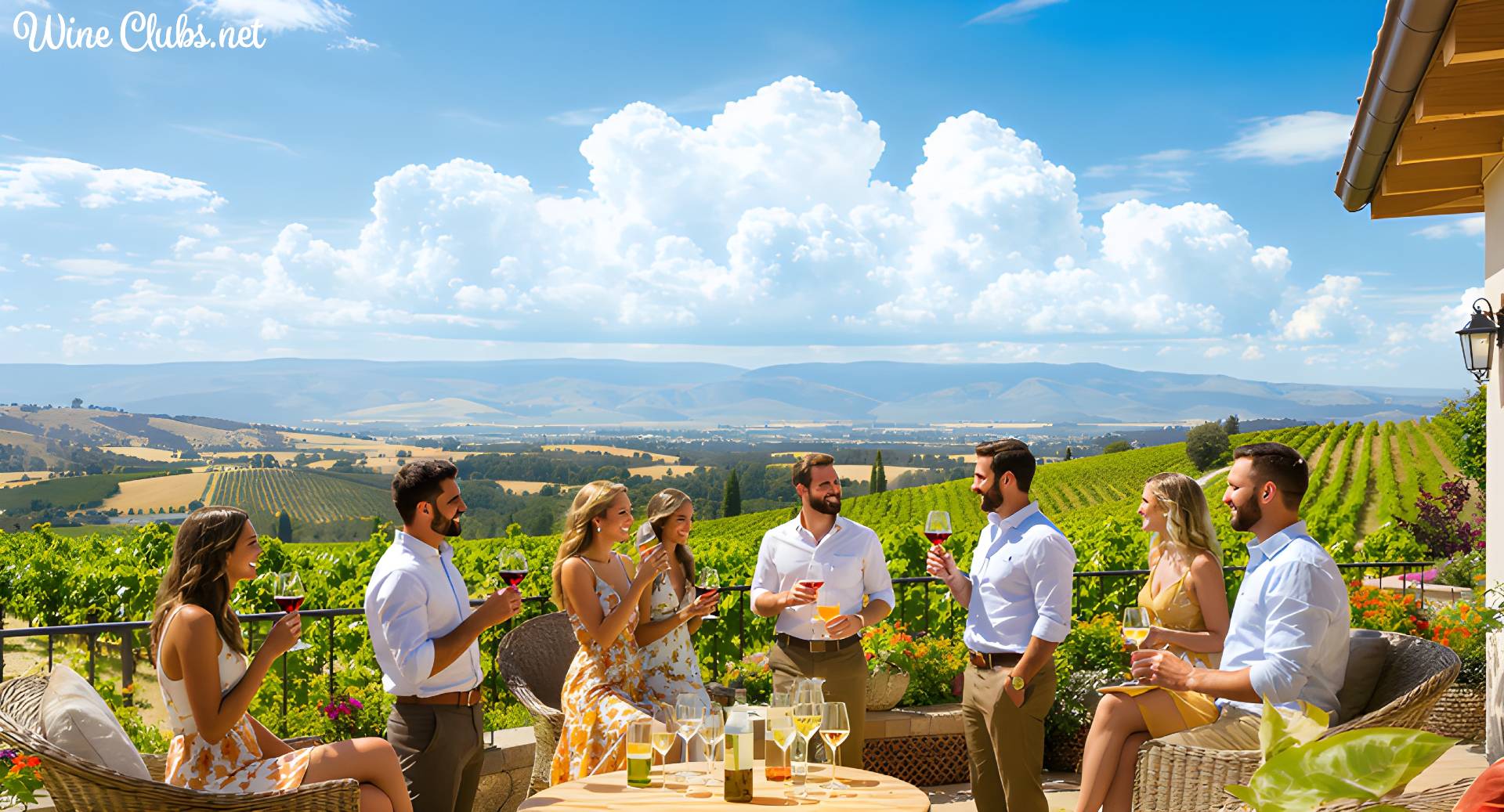
Sonoma wine clubs deliver exceptional wines from California’s most diverse wine region—spanning from cool-climate Russian River Valley Pinot Noir and Chardonnay to powerful Dry Creek Zinfandel, elegant Sonoma Coast wines, and the remarkable variety of terroirs, microclimates, and varietals that make Sonoma County home to over 60,000 vineyard acres across 19 distinct American Viticultural Areas (AVAs). Whether you’re passionate about Russian River Pinot, Alexander Valley Cabernet, Dry Creek Zinfandel, or exploring Sonoma’s incredible diversity from Pacific coast to inland valleys, Sonoma wine club memberships connect you with family wineries, boutique producers, and the artisan winemaking that defines Sonoma’s character as California’s most authentic, unpretentious wine region. After reviewing over 150 wine clubs since 2002, we’ve identified the best Sonoma wine clubs that deliver outstanding quality, genuine Sonoma character, and excellent value for Sonoma wine enthusiasts.
What Makes a Sonoma Wine Club “Best”?
The best Sonoma wine clubs share these essential qualities:
- Authentic Sonoma sourcing from family wineries and estate vineyards
- AVA diversity showcasing Russian River, Dry Creek, Alexander Valley, Sonoma Coast, and beyond
- Terroir expression highlighting how Sonoma’s varied climates affect wine character
- Quality focus on wines expressing Sonoma’s distinctive cool-climate elegance
- Educational approach teaching Sonoma geography, AVAs, and winemaking traditions
- Small producer access featuring boutique wineries producing limited quantities
- Value proposition making premium Sonoma wines accessible at fair prices
Bottom line: The best Sonoma wine clubs deliver wines that capture Sonoma’s essence—diversity, authenticity, family winemaking heritage, and the elegant, food-friendly character that distinguishes Sonoma from Napa’s power and prestige.
Top 10 Best Sonoma Wine Clubs (2026)
1. Sonoma Wine Club – Comprehensive Selection
Best for: Discovering diverse Sonoma wines from multiple AVAs and producers
Rating: ⭐⭐⭐⭐⭐ (5/5)
Our Take: Sonoma Wine Club stands as our top choice for Sonoma wine enthusiasts seeking comprehensive exploration of Sonoma County’s remarkable diversity. Featuring wines from across Sonoma’s 19 AVAs—Russian River Valley, Dry Creek Valley, Alexander Valley, Sonoma Coast, Bennett Valley, and beyond—this club delivers monthly selections showcasing why Sonoma produces more wine diversity than any other California county through its varied microclimates, from cool Pacific coast to warm inland valleys.
What sets Sonoma Wine Club apart is educational depth and AVA diversity. Rather than focusing on a single Sonoma sub-region, the club explores Sonoma’s full geographic and varietal range—comparing Russian River Pinot Noir to Sonoma Coast expressions, contrasting Dry Creek Zinfandel with Alexander Valley Cabernet, discovering lesser-known AVAs like Bennett Valley and Rockpile. You’re building comprehensive Sonoma wine knowledge through comparative tasting and regional exploration.
The club partners with family wineries and boutique producers crafting wines unavailable in most retail stores—small production lots, estate-grown fruit, winemakers passionate about expressing Sonoma terroir authentically. Educational materials teach Sonoma geography, explain how proximity to Pacific Ocean creates cool-climate conditions perfect for Pinot Noir and Chardonnay, and detail what makes each AVA distinctive. For serious Sonoma wine students and explorers, this club delivers depth, diversity, and discovery.
Wines: Diverse Sonoma County wines from all major AVAs
Pricing: Mid to premium range ($70-120/month depending on tier)
Pros:
- Comprehensive Sonoma AVA coverage (19 AVAs)
- Educational regional comparison approach
- Family winery and boutique producer focus
- Wines unavailable in most stores
- Varietal diversity (Pinot, Zin, Cab, Chard, and more)
- Learn Sonoma geography through tasting
- Support Sonoma family wineries
- Excellent value for quality
- Multiple tier options
- Flexible membership
Cons:
- Sonoma County only (regional limitation)
- Less depth in any single AVA than specialist clubs
- Variable styles month-to-month (not focused)
- May prefer single AVA specialization
Who should join: Sonoma wine explorers, those learning Sonoma AVAs, comparative tasters, supporters of Sonoma family wineries, wine students seeking diversity
—
2. Russian River Valley Pinot Noir Club
Best for: Russian River Pinot Noir and Chardonnay specialists
Rating: ⭐⭐⭐⭐⭐ (5/5)
Our Take: Russian River Valley Pinot Noir Club specializes in wines from Sonoma’s most prestigious AVA for Pinot Noir—the cool, fog-influenced valley producing silky, elegant Pinot Noir and outstanding Chardonnay from some of California’s finest vineyard sites. For lovers of Burgundian-style wines seeking Russian River’s distinctive character—balanced between power and elegance, fruit and earth—this club delivers deep exploration of the AVA that put Sonoma on the fine wine map.
What makes Russian River Valley special is the perfect combination of climate and soil for Pinot Noir. Morning fog from the Pacific Ocean keeps temperatures cool, allowing Pinot Noir to ripen slowly while retaining crucial acidity. Ancient riverbed soils (Goldridge sandy loam) contribute to wine’s silky texture and distinctive character. The club features selections from legendary Russian River producers (Rochioli, Williams Selyem, Gary Farrell) alongside emerging estates proving the AVA’s continued evolution.
Educational materials teach Russian River geography, explain fog’s impact on grape ripening, detail what makes Russian River Pinot different from Sonoma Coast or Burgundy, and guide you through vintage variation in this cool-climate region. You’ll discover Russian River’s sub-regions (Green Valley, Middle Reach, Santa Rosa Plain) and how vineyard location affects wine style—from Green Valley’s delicate elegance to Middle Reach’s richer, more structured expressions.
Wines: Russian River Valley Pinot Noir and Chardonnay
Pricing: Premium tier ($90-150/month for quality Russian River Pinot)
Pros:
- Specialization in premier Pinot Noir AVA
- Silky, elegant Russian River style
- Access to legendary Russian River producers
- Educational Russian River terroir focus
- Cool-climate Chardonnay excellence
- Learn Russian River sub-regions
- Age-worthy Pinot Noir from top sites
- Support Russian River family estates
- Discover new Russian River producers
Cons:
- Russian River only (AVA limitation)
- Premium pricing (Russian River Pinot costs more)
- Heavy Pinot Noir focus (limited varietal diversity)
- Vintage variation (cool climate = vintage matters)
- Best for Pinot Noir enthusiasts specifically
Who should join: Russian River Pinot Noir lovers, Burgundian-style wine seekers, Chardonnay enthusiasts, cool-climate wine devotees, Pinot Noir collectors
—
3. Dry Creek Valley Zinfandel Club
Best for: Dry Creek Zinfandel and old-vine specialists
Rating: ⭐⭐⭐⭐⭐ (5/5)
Our Take: Dry Creek Valley Zinfandel Club celebrates Sonoma’s most distinctive AVA for Zinfandel—the warm valley where ancient, gnarly Zinfandel vines (some planted in the 1880s-1920s) produce powerful, spicy, complex wines that represent California Zinfandel’s finest expression. For lovers of old-vine Zinfandel, bold California reds, and wines with history and character, Dry Creek Valley delivers Zinfandel royalty from the AVA that arguably produces California’s best versions of this varietal.
What makes Dry Creek Zinfandel special is the combination of old vines, rocky hillside soils, and warm-but-not-hot climate creating Zinfandel with power, balance, and complexity rather than just jammy fruit and alcohol. These are structured Zinfandels with black pepper spice, brambly berry fruit, earth and minerality from old vines grown in rocky benchland soils—wines that age gracefully for 10-15+ years rather than fading after 3-5 like many California Zins.
The club features selections from legendary Dry Creek Zinfandel producers (Ridge Lytton Springs, Seghesio, Mauritson, Bedrock) who farm ancient vines with reverence, alongside newer estates proving Dry Creek remains Zinfandel’s promised land. Educational materials teach Dry Creek geography, explain old-vine viticulture, detail what makes Dry Creek Zin different from Paso Robles or Amador, and guide you through Zinfandel’s California heritage. You’re tasting wine history in every bottle.
Wines: Dry Creek Valley Zinfandel, Petite Sirah, field blends from old vines
Pricing: Mid to premium range ($70-110/month)
Pros:
- Premier California Zinfandel AVA
- Old-vine Zinfandel excellence (vines 50-140+ years)
- Access to legendary Dry Creek producers
- Powerful yet balanced Zinfandel style
- Educational old-vine viticulture focus
- Age-worthy Zinfandel (not just fruit bombs)
- Support Dry Creek family heritage
- California wine history in every bottle
- Good value for old-vine quality
Cons:
- Dry Creek only (AVA limitation)
- Heavy Zinfandel focus (limited varietal diversity)
- May be too powerful for some palates
- Best for Zinfandel enthusiasts specifically
- Alcohol can be high (14.5-15.5%)
Who should join: Zinfandel devotees, old-vine wine lovers, California wine heritage enthusiasts, bold red wine seekers, Dry Creek Valley fans
—
4. Sonoma Coast Wine Club – Cool-Climate Focus
Best for: Sonoma Coast Pinot Noir and cool-climate wines
Rating: ⭐⭐⭐⭐⭐ (5/5)
Our Take: Sonoma Coast Wine Club specializes in wines from Sonoma County’s coolest, most maritime-influenced region—the rugged coastline where Pacific Ocean fog, wind, and proximity create ideal conditions for elegant Pinot Noir, mineral-driven Chardonnay, and distinctive cool-climate expressions. For lovers of restrained, terroir-driven wines with oceanic influence, Sonoma Coast produces California’s most Burgundian wines—elegant, mineral, complex, and distinctly different from warmer inland Sonoma AVAs.
What makes Sonoma Coast special is extreme cool-climate viticulture—vineyards just miles from Pacific Ocean, planted on ridges and hillsides where fog and wind dramatically slow ripening, creating wines with electric acidity, moderate alcohol (12.5-13.5%), and pronounced mineral character from shallow, rocky soils. These are contemplative wines emphasizing terroir and restraint over power and fruit—California wine for people who love Burgundy’s elegance.
The club features selections from pioneering Sonoma Coast estates (Hirsch, Flowers, Littorai, Peay) who recognized the coast’s potential decades ago, alongside newer producers planting vineyards in extreme coastal sites. Educational materials teach Sonoma Coast geography, explain maritime influence on viticulture, detail what makes Sonoma Coast different from Russian River or Santa Barbara, and guide you through the AVA’s diverse sub-regions from Fort Ross-Seaview to Freestone-Occidental.
Wines: Sonoma Coast Pinot Noir, Chardonnay, Syrah from extreme cool-climate sites
Pricing: Premium tier ($100-150/month for Sonoma Coast quality)
Pros:
- Extreme cool-climate terroir expression
- Most Burgundian California wines
- Elegant, restrained Pinot Noir style
- Mineral-driven Chardonnay
- Access to pioneering Sonoma Coast producers
- Educational maritime viticulture focus
- Age-worthy wines with structure and acidity
- Discover Sonoma Coast sub-regions
- Support coastal sustainable viticulture
Cons:
- Sonoma Coast only (AVA limitation)
- Premium pricing (coastal viticulture expensive)
- Restrained style not for everyone
- Vintage variation significant (cool climate)
- Best for Burgundy-style wine lovers
Who should join: Burgundy enthusiasts, cool-climate wine devotees, terroir-focused collectors, elegant Pinot Noir seekers, coastal terroir explorers
—
5. Alexander Valley Wine Club – Cabernet Sauvignon Focus
Best for: Alexander Valley Cabernet Sauvignon and Bordeaux blends
Rating: ⭐⭐⭐⭐ (4/5)
Our Take: Alexander Valley Wine Club delivers premium Cabernet Sauvignon and Bordeaux-style blends from Sonoma’s warmest, most Napa-like AVA—the inland valley producing structured, age-worthy Cabernet with Sonoma’s characteristic elegance and balance. For lovers of Cabernet seeking Sonoma’s answer to Napa Valley at better prices with more approachable character, Alexander Valley produces powerful yet food-friendly Cabernet that drinks beautifully young or ages gracefully for 15-25+ years.
What makes Alexander Valley Cabernet distinctive is balance—warmer than Russian River or Sonoma Coast but cooler than Napa, creating Cabernet with ripe fruit, good structure, and bright acidity rather than the massive power and tannin often found in Napa. Alexander Valley benchland vineyards (gravelly, well-drained soils) produce classic Cabernet character with Sonoma’s signature approachability and food-friendliness.
The club features selections from established Alexander Valley Cabernet producers (Silver Oak, Jordan, Stonestreet) alongside boutique estates proving the AVA produces world-class Cabernet at prices below comparable Napa wines. Educational materials teach Alexander Valley geography, explain benchland vs. hillside vineyard differences, and guide you through what makes Alexander Valley Cabernet different from Napa’s power-focused style—elegance, balance, drinkability.
Wines: Alexander Valley Cabernet Sauvignon, Merlot, Bordeaux blends
Pricing: Premium tier ($90-140/month)
Pros:
- Premier Sonoma Cabernet AVA
- Elegant, balanced Cabernet style
- Age-worthy wines (15-25+ years)
- Better value than Napa Cabernet
- Food-friendly vs. Napa power
- Educational Alexander Valley terroir
- Access to established producers
- Support Sonoma Cabernet excellence
- Approachable when young or aged
Cons:
- Alexander Valley only (AVA limitation)
- Heavy Cabernet focus (limited varietal diversity)
- Premium pricing for quality Cabernet
- Less distinctive than cool-climate Sonoma wines
- Competes directly with Napa (similar style)
Who should join: Cabernet Sauvignon collectors, Bordeaux blend lovers, those seeking Napa alternative, age-worthy red wine seekers, Alexander Valley fans
—
6. Small Production Sonoma Winery Club
Best for: Discovering boutique Sonoma wineries producing limited quantities
Rating: ⭐⭐⭐⭐⭐ (5/5)
Our Take: Small Production Sonoma Winery Club focuses exclusively on boutique Sonoma wineries producing fewer than 5,000 cases annually—family estates, artisan winemakers, and passionate producers crafting wines you’ll never find in supermarkets or most wine shops. For wine enthusiasts seeking discovery, authenticity, and wines unavailable through normal retail channels, this club delivers Sonoma’s hidden gems from producers who prioritize quality over quantity.
What makes small production wines special is attention to detail and terroir expression impossible at larger scale. Boutique producers farm specific vineyard sites meticulously, harvest by hand, ferment in small lots, and make winemaking decisions based on quality rather than production targets. These wines express Sonoma terroir authentically because winemakers can afford to be patient, selective, and uncompromising.
The club features selections from across Sonoma’s AVAs—Russian River Pinot from 1,000-case producer, Dry Creek Zinfandel from 500-case estate, Sonoma Coast Chardonnay from family winery making 2,000 cases total. Educational materials tell winemaker stories, explain small production advantages, and help you understand why limited quantity often indicates higher quality. You’re supporting Sonoma’s artisan winemaking culture directly.
Wines: Diverse Sonoma wines from producers making <5,000 cases annually
Pricing: Mid to premium range ($80-130/month)
Pros:
- Exclusive access to boutique producers
- Wines unavailable in most retail
- Support Sonoma artisan winemaking
- Quality over quantity philosophy
- Discover hidden Sonoma gems
- Educational winemaker stories
- Authentic terroir expression
- Build relationships with small producers
- Limited production = special wines
Cons:
- Less name recognition
- Variable availability (limited production)
- Quality varies across small producers
- Higher prices for small production
- Less consistent style month-to-month
Who should join: Wine discoverers, boutique winery supporters, those seeking unavailable wines, artisan winemaking enthusiasts, relationship-focused wine lovers
—
7. Sonoma Valley Wine Club – “Birthplace of California Wine”
Best for: Sonoma Valley wines from California wine’s historic heart
Rating: ⭐⭐⭐⭐ (4/5)
Our Take: Sonoma Valley Wine Club celebrates wines from the “Valley of the Moon”—California’s oldest wine region where Sonoma’s wine industry began in 1857 with Buena Vista Winery. For wine enthusiasts appreciating history, tradition, and wines from the valley that gave birth to California wine, Sonoma Valley delivers diverse selections from the county’s most historic AVA spanning from cool Carneros (shared with Napa) to warmer Kenwood and Glen Ellen.
What makes Sonoma Valley distinctive is diversity and history. The AVA stretches from San Pablo Bay (cool, maritime-influenced Carneros producing Pinot Noir and Chardonnay) northward through increasingly warm microclimates producing everything from Chardonnay and Pinot to Zinfandel, Cabernet, and Merlot. This north-south orientation creates remarkable wine diversity within a single valley—you can taste cool-climate elegance and warm-climate power from the same AVA.
The club features selections from historic Sonoma Valley estates (Buena Vista, Gundlach Bundschu, Sebastiani) alongside modern producers honoring the valley’s heritage. Educational materials teach Sonoma Valley history, explain California wine’s origins, and guide you through the valley’s diverse microclimates from Carneros to Moon Mountain District. You’re tasting California wine history while discovering contemporary Sonoma Valley excellence.
Wines: Diverse Sonoma Valley wines from Carneros to Kenwood
Pricing: Mid-range ($65-100/month)
Pros:
- California wine historic birthplace
- Diverse microclimates (Carneros to Kenwood)
- Varietal diversity within single AVA
- Access to historic Sonoma estates
- Educational California wine history
- Good value for quality
- Support Sonoma Valley heritage
- Discover Sonoma Valley sub-regions
Cons:
- Sonoma Valley only (AVA limitation)
- Less distinctive than specialized AVAs
- Variable styles due to microclimate diversity
- Carneros shared with Napa (less unique)
- Historic wineries sometimes inconsistent quality
Who should join: California wine history enthusiasts, Sonoma Valley explorers, diverse wine seekers, historic winery supporters, heritage wine lovers
—
8. Sonoma Chardonnay Specialist Club
Best for: Sonoma Chardonnay from Russian River to Sonoma Coast
Rating: ⭐⭐⭐⭐⭐ (5/5)
Our Take: Sonoma Chardonnay Specialist Club focuses exclusively on Chardonnay from Sonoma County’s cool-climate AVAs—Russian River Valley, Sonoma Coast, Green Valley, and other regions producing elegant, balanced Chardonnay with bright acidity and mineral character rather than heavy oak and butter. For lovers of restrained, food-friendly Chardonnay seeking alternatives to over-oaked styles, Sonoma produces California’s finest cool-climate Chardonnay rivaling Burgundy’s elegance.
What makes Sonoma Chardonnay special is cool-climate conditions and modern winemaking embracing restraint. Morning fog, ocean influence, and lengthy growing seasons create Chardonnay with natural acidity, moderate alcohol, and citrus/mineral character. Contemporary Sonoma winemakers use oak judiciously—subtle French oak adding complexity without overwhelming fruit—creating Chardonnays that pair beautifully with food rather than standing alone as dessert wines.
The club features selections comparing Sonoma Chardonnay styles—unoaked (Chablis-style), lightly oaked (balanced), and traditionally oaked from Russian River, Sonoma Coast, and other cool regions. Educational materials teach Sonoma Chardonnay terroir, explain oak’s role, and guide you through the Chardonnay renaissance where California producers moved from heavy-handed oak to elegant restraint. You’re discovering why Sonoma Chardonnay earns respect from Burgundy-loving wine critics.
Wines: Sonoma County Chardonnay from cool-climate AVAs
Pricing: Mid to premium range ($75-120/month)
Pros:
- Cool-climate Chardonnay excellence
- Elegant, restrained style vs. over-oaked
- Varietal focus allows deep exploration
- Compare Sonoma Chardonnay terroirs
- Educational oak usage and styles
- Food-friendly Chardonnay
- Russian River, Sonoma Coast, Green Valley
- Support Sonoma Chardonnay renaissance
- Age-worthy Chardonnay from top sites
Cons:
- Chardonnay only (single varietal)
- May miss other excellent Sonoma wines
- Best for Chardonnay enthusiasts specifically
- Premium pricing for top cool-climate sites
- Style preference required (restrained vs. oaked)
Who should join: Chardonnay devotees, cool-climate white wine lovers, Burgundy Chardonnay fans seeking California alternatives, food pairing enthusiasts, elegant white wine seekers
—
9. Sonoma Sustainable/Organic Wine Club
Best for: Sonoma sustainable, organic, and biodynamic wines
Rating: ⭐⭐⭐⭐ (4/5)
Our Take: Sonoma Sustainable Wine Club features wines from Sonoma producers practicing certified sustainable, organic, or biodynamic viticulture—highlighting Sonoma County’s leadership in environmentally responsible winemaking. Sonoma County became the first wine region in America where 99% of vineyard acreage is certified sustainable (Sonoma County Winegrowers Sustainability Program)—this club celebrates producers going beyond basic sustainability to organic and biodynamic farming while crafting exceptional wines.
What makes Sonoma sustainable wines special is the combination of environmental commitment and quality excellence. These aren’t compromise wines made “despite” sustainable practices—they’re wines made better through sustainable, organic, or biodynamic farming that creates healthier vineyards, more balanced vines, and grapes expressing terroir more authentically. Sonoma’s cool climate and marine influence create ideal conditions for sustainable viticulture with minimal intervention.
The club features selections from certified organic estates (Benziger, Porter-Bass, Preston) and biodynamic pioneers alongside Sonoma County Sustainability certified producers. Educational materials explain sustainable viticulture practices, detail organic and biodynamic farming differences, and teach you why environmentally conscious grape growing often produces better wine. You’re supporting Sonoma’s environmental leadership while discovering that sustainable wine equals quality wine.
Wines: Sonoma sustainable, organic, and biodynamic wines across varietals
Pricing: Mid to premium range ($70-110/month)
Pros:
- Support sustainable Sonoma viticulture
- Certified organic and biodynamic wines
- Environmental leadership (99% sustainable vineyards)
- Quality wines from responsible producers
- Educational sustainable viticulture focus
- Health-conscious wine choice
- Diverse varietals and AVAs
- Support Sonoma environmental stewardship
Cons:
- Sustainable focus may limit selections
- Slightly higher prices for organic/biodynamic
- Not all best Sonoma wines are certified sustainable
- Biodynamic philosophy not for everyone
- Must value sustainability alongside quality
Who should join: Environmentally conscious wine lovers, organic/biodynamic supporters, sustainable agriculture advocates, health-focused wine drinkers, Sonoma stewardship appreciators
—
10. Sonoma Value Wine Discovery Club
Best for: Budget-friendly Sonoma wine exploration
Rating: ⭐⭐⭐⭐ (4/5)
Our Take: Sonoma Value Wine Discovery Club delivers quality Sonoma County wines at accessible prices—proving you don’t need premium budgets to enjoy excellent Sonoma wine. By focusing on value-oriented producers, lesser-known AVAs, and varietals beyond Pinot and Cabernet, this club makes Sonoma wine exploration affordable for everyday drinking while maintaining quality standards that honor Sonoma’s reputation.
What makes Sonoma value wines attractive is quality-to-price ratio—Sonoma’s diverse geography and extensive vineyard acreage create opportunities for well-made wines at $15-25 per bottle from serious producers. These aren’t bulk wines from factory operations—they’re honest wines from family wineries choosing accessible pricing, value-focused négociants sourcing quality fruit, and producers making excellent wine for everyday enjoyment rather than collector prestige.
The club features selections from across Sonoma highlighting value opportunities—Dry Creek Petite Sirah, Sonoma County-appellation blends, Russian River Sauvignon Blanc, and other wines delivering Sonoma character at budget-friendly prices. Educational materials teach value wine identification, explain how to find quality at lower price points, and help you understand Sonoma’s wine diversity creates value opportunities alongside premium wines. Perfect for building Sonoma knowledge affordably.
Wines: Value-focused Sonoma County wines, diverse varietals and AVAs
Pricing: Budget to mid-range ($50-75/month for 4-6 bottles)
Pros:
- Excellent value for Sonoma quality
- Affordable Sonoma wine exploration
- Everyday drinking wines
- Discover lesser-known Sonoma varietals
- Educational value wine approach
- Build Sonoma knowledge affordably
- Support value-focused Sonoma producers
- Good for entertaining or casual drinking
Cons:
- Budget pricing limits quality ceiling
- Less prestigious producers/AVAs
- May lack age-worthiness
- Variable quality across value selections
- Not for premium wine seekers
Who should join: Budget-conscious Sonoma enthusiasts, everyday drinking wine seekers, value hunters, Sonoma beginners, casual wine lovers wanting quality on budget
—
Understanding Sonoma County Wine Regions (AVAs)
Russian River Valley – Pinot Noir and Chardonnay Excellence
Location: Western Sonoma County, following Russian River from Forestville to Healdsburg
Climate: Cool marine influence, morning fog, moderate temperatures
Key Wines:
- Pinot Noir: Silky, elegant, balanced between fruit and earth, cherry and cola notes
- Chardonnay: Crisp acidity, citrus and stone fruit, restrained oak, food-friendly
- Sauvignon Blanc: Bright, grapefruit and grass, refreshing
Sub-Regions: Green Valley (coolest, most delicate), Middle Reach (balanced), Santa Rosa Plain (warmer, richer)
Soils: Goldridge sandy loam (ancient riverbed deposits)
Characteristics: Sonoma’s most prestigious Pinot Noir AVA, cool-climate elegance, silky texture, balanced acidity
Famous Producers: Rochioli, Williams Selyem, Gary Farrell, Merry Edwards, Hartford Court
—
Dry Creek Valley – Zinfandel Kingdom
Location: Northwestern Sonoma County, valley northwest of Healdsburg
Climate: Warm days, cool nights, low rainfall, ideal for Zinfandel
Key Wines:
- Zinfandel: Spicy, brambly berry, black pepper, structured from old vines
- Sauvignon Blanc: Crisp, herbaceous, refreshing (Dry Creek’s white specialty)
- Petite Sirah: Dense, powerful, dark fruit, age-worthy
Soils: Benchland gravelly loam, hillside rocky soils
Characteristics: California’s premier Zinfandel region, old-vine heritage (vines 50-140+ years), powerful yet balanced reds
Famous Producers: Ridge Lytton Springs, Seghesio, Mauritson, Bedrock, Quivira
—
Sonoma Coast – Extreme Cool-Climate
Location: Western Sonoma County, coastal ridges and hillsides
Climate: Very cool, maritime-influenced, fog, wind, challenging viticulture
Key Wines:
- Pinot Noir: Elegant, restrained, mineral, high acidity, Burgundian style
- Chardonnay: Mineral-driven, citrus, lean, oyster shell notes
- Syrah: Peppery, savory, Northern Rhône-like
Sub-Regions: Fort Ross-Seaview (extreme coastal), Freestone-Occidental (fog-influenced)
Soils: Goldridge sandy loam, fractured sandstone
Characteristics: Sonoma’s most extreme terroir, oceanic influence, elegant and mineral-driven wines, Burgundy comparisons
Famous Producers: Hirsch, Flowers, Littorai, Peay, Failla
—
Alexander Valley – Cabernet Country
Location: Northeastern Sonoma County, valley east of Healdsburg
Climate: Warm days, cool nights, gravelly benchland, ideal for Cabernet
Key Wines:
- Cabernet Sauvignon: Structured, balanced, cassis and cedar, age-worthy
- Merlot: Plush, approachable, plum and chocolate
- Zinfandel: Powerful, jammy, high alcohol from warm sites
Soils: Benchland gravel (excellent drainage), hillside volcanic
Characteristics: Sonoma’s premier Cabernet AVA, elegant balance vs. Napa power, food-friendly structure, good value
Famous Producers: Silver Oak, Jordan, Stonestreet, Simi, Clos du Bois
—
Carneros – Sparkling and Cool-Climate Wines
Location: Southern Sonoma/Napa border, San Pablo Bay influence
Climate: Cool, windy, bay influence, extended growing season
Key Wines:
- Pinot Noir: Elegant, bright acidity, sparkling wine base or still wine
- Chardonnay: Crisp, mineral, citrus, sparkling wine base or still wine
- Sparkling Wine: Traditional method, elegant, Champagne-style
Soils: Clay loam (water retention in dry climate)
Characteristics: Coolest Sonoma region, shared with Napa, ideal for sparkling wine production, wind-influenced viticulture
Famous Producers: Gloria Ferrer, Schug, MacRostie, Hyde de Villaine
—
Bennett Valley – Hidden Gem
Location: Small valley east of Santa Rosa
Climate: Cool marine influence through Crane Canyon gap, protected valley
Key Wines:
- Syrah: Elegant, peppery, cool-climate Northern Rhône style
- Merlot: Structured, balanced, herbaceous notes
- Sauvignon Blanc: Bright, grapefruit, mineral
Characteristics: Lesser-known AVA, cool climate in warm region, excellent value, emerging quality
Famous Producers: Matanzas Creek, Imagery, Bennett Valley Cellars
—
Sonoma vs. Napa: Understanding the Differences
Climate and Geography
Sonoma:
- Larger (60,000 acres vs. Napa’s 45,000)
- More diverse (19 AVAs vs. Napa’s 16)
- Cooler overall (Pacific Ocean influence stronger)
- More varied topography (coast to inland valleys)
- Greater microclimate diversity
Napa:
- Single valley orientation (north-south)
- More consistent warm climate
- Mountain ranges protect from ocean influence
- Better drainage (Mayacamas and Vaca Mountains)
Wine Styles
Sonoma:
- Elegant, balanced, food-friendly
- Moderate alcohol (13-14%)
- Bright acidity
- Cool-climate varietal specialization (Pinot Noir, Chardonnay)
- Diverse varietals beyond Cabernet
Napa:
- Powerful, concentrated, age-worthy
- Higher alcohol (14-15%+)
- Riper fruit
- Cabernet Sauvignon dominance
- Collector-focused wines
Culture and Pricing
Sonoma:
- More agricultural, less touristy
- Family wineries, multi-generational heritage
- Better value (20-40% less than comparable Napa)
- Approachable, unpretentious
- Sustainable viticulture leadership
Napa:
- Luxury destination, tourism-focused
- Corporate ownership common
- Premium to luxury pricing
- Prestige and collector appeal
- Marketing sophistication
—
Sonoma Wine Club FAQs
Q: What’s the best Sonoma wine club for Pinot Noir lovers?
A: Russian River Valley Pinot Noir Club specializes in Sonoma’s premier Pinot AVA, delivering silky, elegant Russian River Pinot. Sonoma Coast Wine Club offers more restrained, Burgundian-style Pinot from extreme coastal sites. Both excellent—Russian River for balanced elegance, Sonoma Coast for mineral-driven restraint.
Q: Are Sonoma wines cheaper than Napa wines?
A: Generally yes—comparable quality Sonoma wines typically cost 20-40% less than Napa equivalents. Sonoma focuses on value and approachability vs. Napa’s prestige pricing. Exceptions exist (premium Russian River Pinot, Sonoma Coast wines), but overall Sonoma delivers better quality-to-price ratios.
Q: Which Sonoma AVA is best?
A: Depends on wine preferences. Russian River Valley excels for Pinot Noir and Chardonnay; Dry Creek Valley for Zinfandel; Alexander Valley for Cabernet; Sonoma Coast for extreme cool-climate wines. No single “best”—Sonoma’s strength is diversity allowing multiple AVAs to excel in different specialties.
Q: Can Sonoma wines age as long as Napa wines?
A: Yes! Premium Sonoma wines age beautifully: Russian River Pinot Noir (10-20 years), Dry Creek old-vine Zinfandel (10-15 years), Alexander Valley Cabernet (15-25+ years), Sonoma Coast Pinot Noir (10-20 years). Sonoma’s balanced style actually ages more gracefully than some over-extracted Napa wines.
Q: What makes Russian River Valley special for Pinot Noir?
A: Combination of morning fog (cools vineyards), Goldridge sandy loam soils (contribute silky texture), and microclimate diversity (allows multiple Pinot styles). Cool climate with adequate warmth to ripen Pinot Noir fully while retaining acidity—ideal Pinot Noir conditions rivaling Burgundy.
Q: Why is Dry Creek Valley famous for Zinfandel?
A: Historic old-vine heritage (vines planted 1880s-1920s still producing), warm-but-not-hot climate ideal for Zinfandel ripening, rocky benchland soils creating balanced rather than jammy wines, and multi-generational families maintaining ancient vineyards. Dry Creek produces California’s finest, most age-worthy Zinfandel.
Q: Is Sonoma more sustainable than Napa?
A: Yes—Sonoma County became the first wine region globally where 99% of vineyard acreage is certified sustainable (Sonoma County Winegrowers Sustainability Program). Many Sonoma producers practice organic or biodynamic farming. Sonoma leads California wine in environmental stewardship and sustainable viticulture.
Q: What’s the difference between Sonoma Coast and Russian River Valley?
A: Sonoma Coast is more extreme cool-climate (closer to ocean, more wind/fog), producing more restrained, mineral-driven, Burgundian wines. Russian River Valley is slightly warmer and protected, producing silkier, more fruit-forward (but still elegant) wines. Both excel with Pinot Noir and Chardonnay in different styles.
Q: Can I visit Sonoma wineries easily?
A: Yes—Sonoma is more accessible and less crowded than Napa. Many family wineries welcome visitors with appointments or walk-ins. Towns like Healdsburg, Sonoma, and Sebastopol offer excellent wine tasting with less pretension and more affordable tasting fees than Napa Valley.
Q: Should I join multiple Sonoma wine clubs?
A: Consider starting with comprehensive Sonoma Wine Club to learn Sonoma diversity, then add specialized clubs (Russian River Pinot, Dry Creek Zinfandel) once you identify preferred AVAs/varietals. Multiple clubs work if you consume enough wine and want deep exploration—otherwise single comprehensive club provides excellent variety.
Explore More Wine Club Reviews
Interested in other wine club options? Check out our comprehensive guides:
- Best Wine Clubs → Our top-rated wine subscriptions across all categories
- Best California Wine Clubs → California wine excellence beyond Sonoma
- Best Pinot Noir Wine Clubs → Russian River and beyond
- All Wine Club Reviews → Browse our complete review library
Discover Sonoma’s Diverse Wine Excellence
Sonoma wine clubs connect you with California’s most diverse and authentic wine region—from Russian River Valley’s silky Pinot Noir and Dry Creek’s legendary old-vine Zinfandel to Sonoma Coast’s Burgundian elegance and Alexander Valley’s food-friendly Cabernet. Whether you’re exploring Sonoma’s 19 distinct AVAs, focusing on specific varietals or regions, discovering boutique family wineries, or appreciating Sonoma’s sustainable viticulture leadership, Sonoma wine club memberships deliver exceptional wines that capture what makes Sonoma special—diversity, authenticity, balance, and the family winemaking heritage that prioritizes quality over prestige.
The best Sonoma wine club for you depends on your AVA interests (comprehensive Sonoma vs. specialized Russian River/Dry Creek/Sonoma Coast), varietal preferences (Pinot Noir, Zinfandel, Cabernet, Chardonnay), budget (value wines vs. premium selections), and wine philosophy (sustainable/organic vs. conventional, boutique vs. established). All deliver genuine Sonoma character—elegant, balanced, food-friendly wines that prove you don’t need Napa’s power and prices to enjoy world-class California wine.
Sonoma represents California wine’s soul—unpretentious excellence, multi-generational family heritage, environmental stewardship, and wines crafted for enjoyment rather than collector scores. From Pacific coastal ridges to inland valleys, from cool-climate Pinot Noir to powerful old-vine Zinfandel, Sonoma’s diversity creates endless discovery opportunities. Wine clubs make exploring this remarkable region convenient, educational, and delicious—one bottle at a time revealing why Sonoma County produces California’s most diverse and authentic wines.
Ready to discover exceptional Sonoma wines? Choose a club from our top 10 and start your Sonoma wine journey today! 🍷🌲
Related Resources
Best Wine Clubs – Top-rated wine subscriptions across all categories
Best California Wine Clubs – California wine excellence including Sonoma
Best Pinot Noir Wine Clubs – Russian River Valley and beyond
Best Red Wine Clubs – Explore red wine subscriptions
Best White Wine Clubs – Sonoma Chardonnay and more
Wine Club Reviews – Complete library of honest wine club reviews
Wine Tasting Guides – Visit Sonoma County wine regions
Sonoma Wine Tasting – Explore Russian River, Dry Creek, and beyond