
California Wine Tasting Overview
California produces 90% of American wine and offers the most diverse wine tasting experiences in the country. From Napa Valley’s world-class estates to Paso Robles’ laid-back charm, California wine country delivers exceptional wines, stunning scenery, and experiences for every budget and taste.
Bottom line: Whether you’re a first-time visitor or seasoned wine enthusiast, California wine tasting offers something special in every region—you just need to know where to go and when to visit.
Why California Wine Tasting?
California isn’t just America’s largest wine producer—it’s one of the world’s premier wine destinations. Here’s what makes California wine tasting special:
Unmatched Diversity
California’s varied climates and terrain produce virtually every wine style imaginable. Cool coastal regions create elegant Pinot Noir and Chardonnay. Warm inland valleys produce powerful Cabernet Sauvignon and Zinfandel. Mediterranean climates support Rhône varietals. You can taste wines from dozens of grape varieties without leaving the state.
World-Class Quality
The 1976 Judgment of Paris put California wine on the international map when Napa wines beat prestigious French châteaux in blind tastings. Today, California wines compete with the world’s best, earning critical acclaim and commanding premium prices at auction.
Beautiful Wine Country
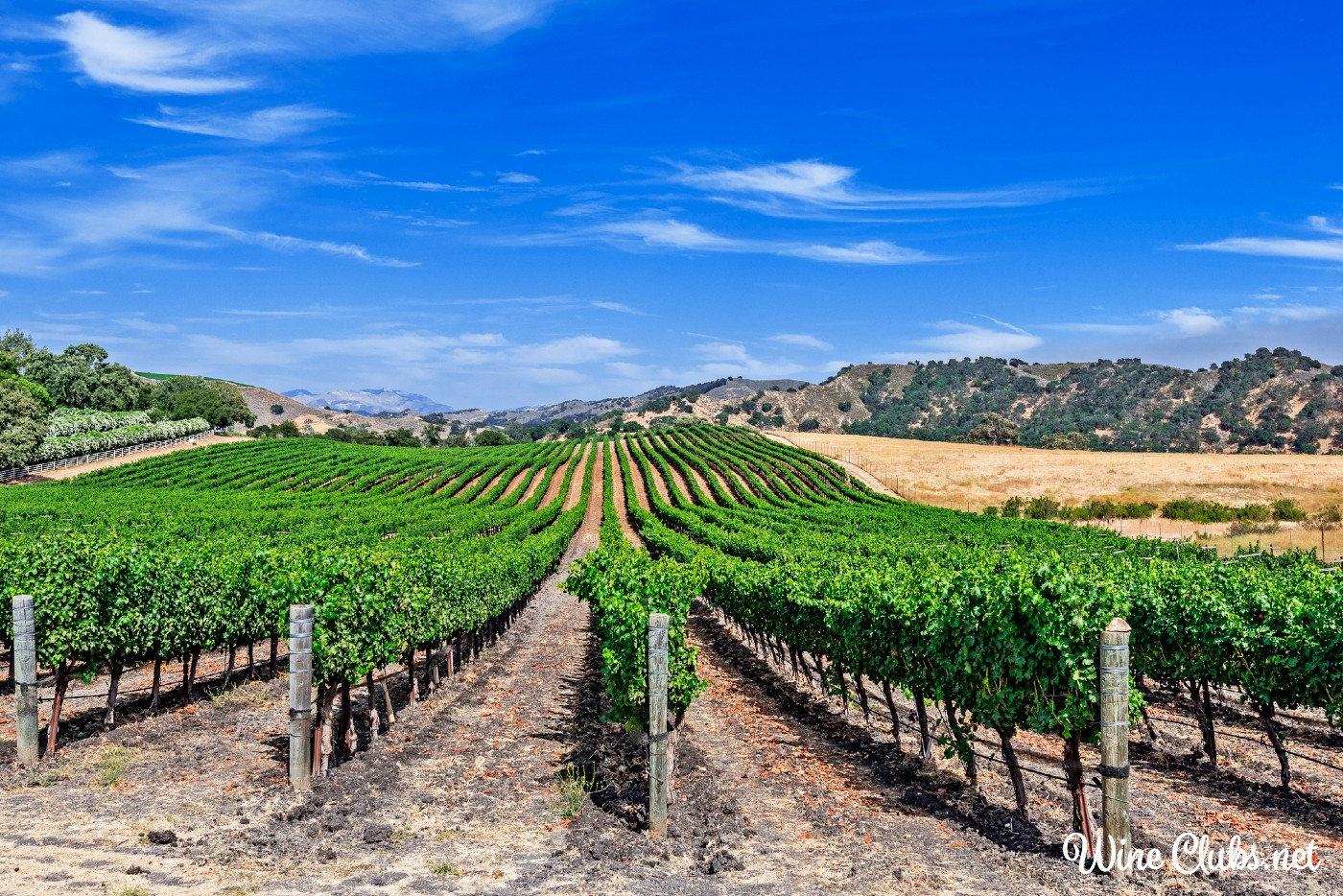
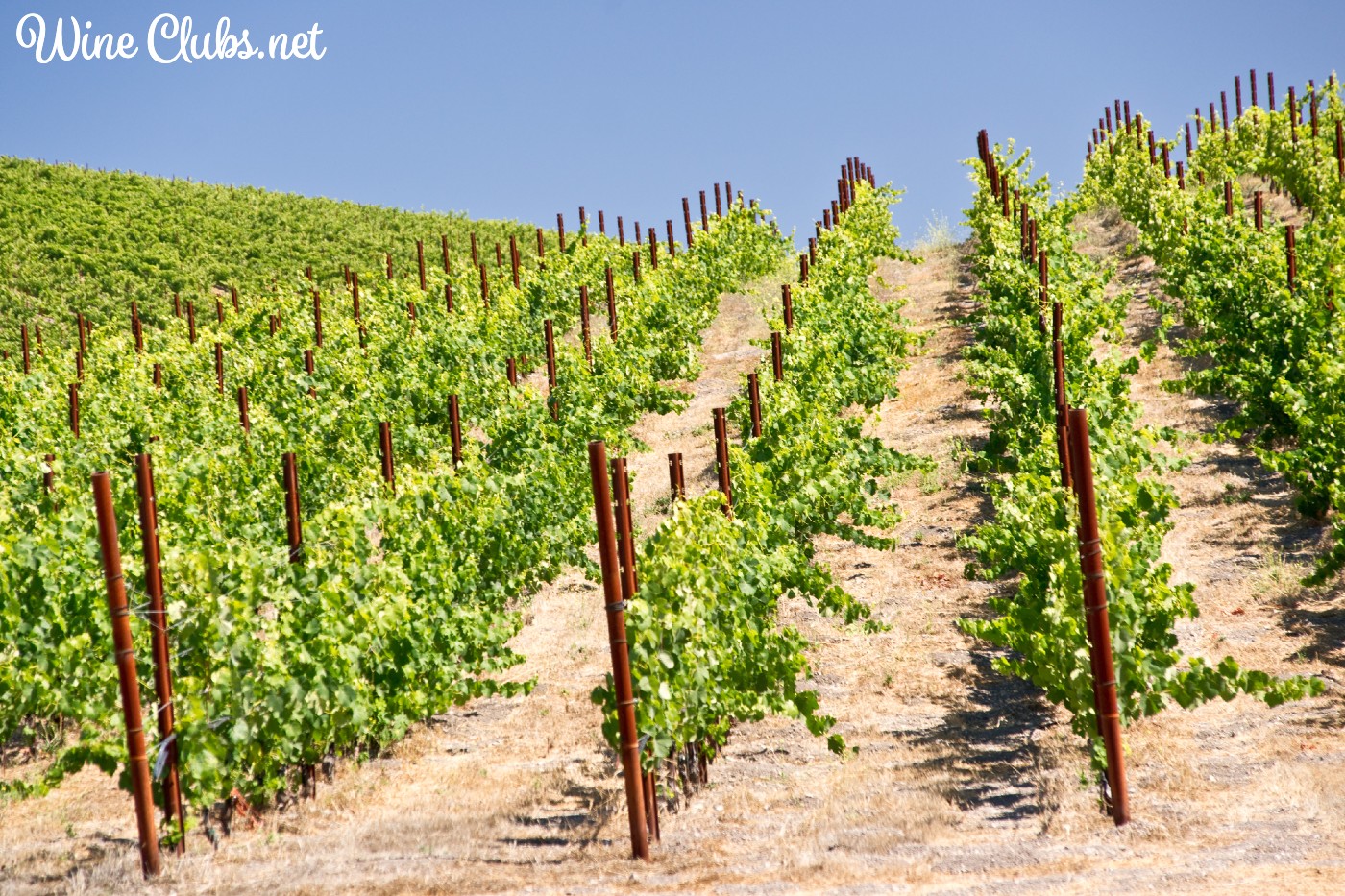
Rolling vineyards, mountain ranges, coastal vistas, historic towns—California wine regions offer stunning scenery that enhances the tasting experience. Many visitors come as much for the landscapes as the wine.
Accessible Wine Tourism
California pioneered wine tourism. Tasting rooms welcome visitors with genuine hospitality, winemakers love sharing their stories, and the infrastructure supports everything from casual drop-ins to luxury experiences. Most regions are easy day trips or weekend getaways from major cities.
California Wine Regions: Where to Go
California wine country spans the state from Mendocino in the north to Temecula in the south. Here are the major regions worth visiting:

Napa Valley
Best known for: Cabernet Sauvignon, prestigious estates, luxury experiences
Location: 1 hour north of San Francisco
Napa Valley represents California wine at its finest—and most expensive. This 30-mile-long valley produces America’s most celebrated Cabernet Sauvignon and hosts iconic wineries like Robert Mondavi, Opus One, and Stag’s Leap. Tasting fees run $50-100+ at premium estates, but the quality, service, and settings justify the cost for serious wine lovers.
Napa offers everything from casual Main Street tasting rooms to ultra-luxury experiences with vineyard tours, food pairings, and cave tastings. The Napa Valley Wine Train provides a unique way to see the valley while enjoying wine and cuisine. World-class restaurants, luxury hotels, and professional wine tourism infrastructure make Napa Valley the complete wine country destination.
Plan your visit: See our complete Napa Valley wine tasting guide for detailed recommendations.
Sonoma County
Best known for: Pinot Noir, Chardonnay, Zinfandel, diverse microclimates
Location: 1 hour north of San Francisco, adjacent to Napa
Sonoma offers Napa’s quality without the pretension or price tags. This larger, more diverse region encompasses multiple AVAs including Russian River Valley (cool-climate Pinot Noir and Chardonnay), Dry Creek Valley (old-vine Zinfandel), and Alexander Valley (Cabernet Sauvignon). The hospitality feels more relaxed, tasting fees are more reasonable ($25-50 typically), and you’ll discover exceptional wines at better values.
Sonoma County’s varied terrain creates distinct growing regions. Coastal areas benefit from Pacific fog, producing elegant, food-friendly wines. Inland valleys warm up, creating riper, fuller-bodied styles. Healdsburg serves as the wine country hub, offering walkable downtown tasting rooms, excellent restaurants, and easy access to surrounding vineyards.
Plan your visit: See our complete Sonoma County wine tasting guide for detailed recommendations.
Paso Robles
Best known for: Zinfandel, Rhône varietals, innovative winemaking
Location: Central Coast, midway between San Francisco and Los Angeles
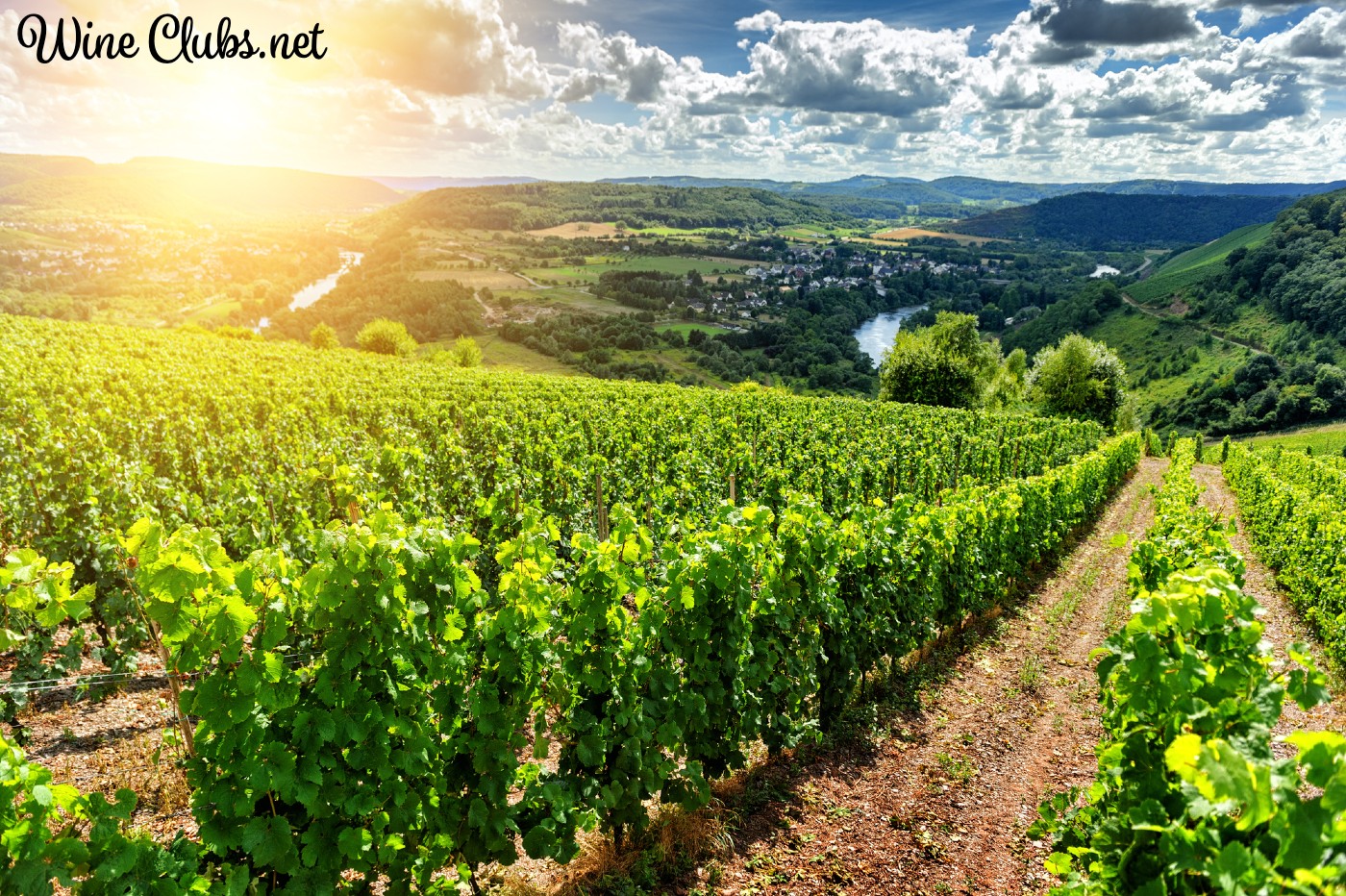
Paso Robles represents California wine’s adventurous spirit. This Central Coast region produces bold Zinfandels, excellent Rhône varietals (Syrah, Grenache, Mourvèdre), and increasingly impressive Cabernet Sauvignon. The laid-back atmosphere, reasonable tasting fees ($20-35), and stunning rolling landscapes create a relaxed wine tasting experience without the crowds or formality of Napa.
Paso Robles pioneered many sustainable and organic farming practices. Many wineries are family-owned operations where you’ll taste with the actual winemakers. The region’s warm days and cool nights create wines with ripe fruit flavors balanced by natural acidity. Downtown Paso Robles offers walkable tasting rooms, while Highway 46 West showcases beautiful vineyard-dotted countryside.
Plan your visit: See our complete Paso Robles wine tasting guide for detailed recommendations.
Santa Cruz Mountains
Best known for: Mountain Pinot Noir, Cabernet Sauvignon, small producers
Location: 1 hour south of San Francisco, between Silicon Valley and Pacific Ocean
Santa Cruz Mountains produces some of California’s most distinctive wines from mountain vineyards perched above the fog line. The challenging terrain limits production, creating intense, structured wines with real character. Pinot Noir shows mountain elegance and complexity, while Cabernet Sauvignon develops structured tannins and aging potential. Most wineries are small, family-run operations offering personal, intimate tasting experiences.
The winding mountain roads, redwood forests, and Pacific views create dramatic scenery. Many wineries offer stunning vistas across the valley or ocean. Ridge Vineyards Monte Bello represents the region’s pinnacle—one of California’s legendary Cabernets. Tasting fees are moderate ($25-40), and you’ll discover wines you can’t find elsewhere.
Plan your visit: See our complete Santa Cruz Mountains wine tasting guide for detailed recommendations.
Carmel Valley
Best known for: Bordeaux varietals, intimate experiences, coastal proximity
Location: Monterey County, near Carmel-by-the-Sea
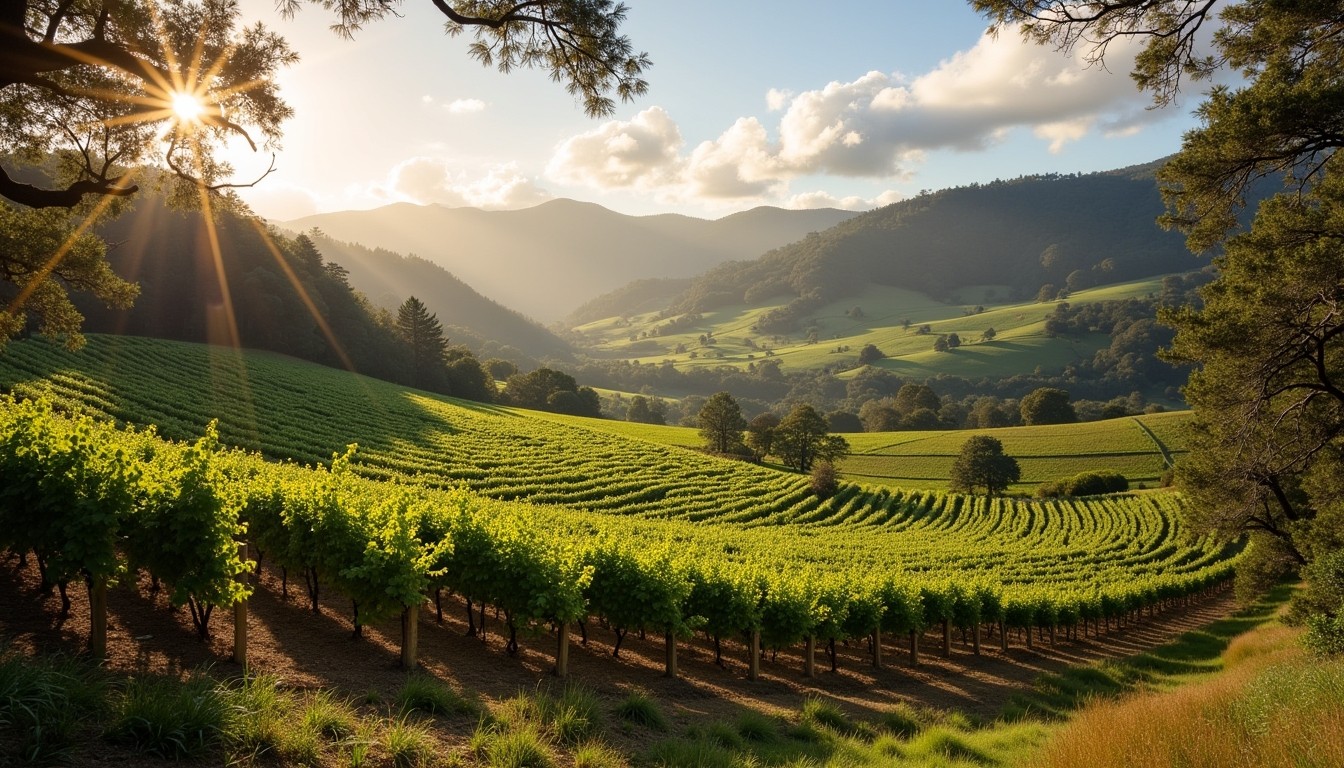
Carmel Valley offers boutique wine tasting in one of California’s most beautiful settings. This small wine region specializes in Bordeaux varietals—Cabernet Sauvignon, Merlot, Cabernet Franc—producing elegant wines with coastal influence. The dozen or so wineries create intimate experiences where you’ll often taste with winemakers or owners. Tasting fees are reasonable ($20-30), and the relaxed atmosphere encourages lingering.
Combine wine tasting with Carmel’s art galleries, restaurants, and coastal attractions. The proximity to Big Sur, Pebble Beach, and Monterey makes Carmel Valley perfect for combining wine with coastal exploration. Sunny, warm weather contrasts with foggy coastal areas, creating ideal growing conditions and pleasant visiting weather.
Plan your visit: See our complete Carmel Valley wine tasting guide for detailed recommendations.
Temecula
Best known for: Accessibility, Mediterranean varietals, beginner-friendly experiences
Location: Southern California, 1 hour north of San Diego, 1.5 hours from Los Angeles
Temecula brings wine tasting to Southern California. This warm-climate region produces Mediterranean-style wines—fruity reds, crisp whites, and plenty of sweet wines appealing to casual drinkers. The approachable atmosphere, reasonable prices ($20-30 tasting fees), and proximity to major cities make Temecula perfect for wine tasting beginners or casual weekend outings.
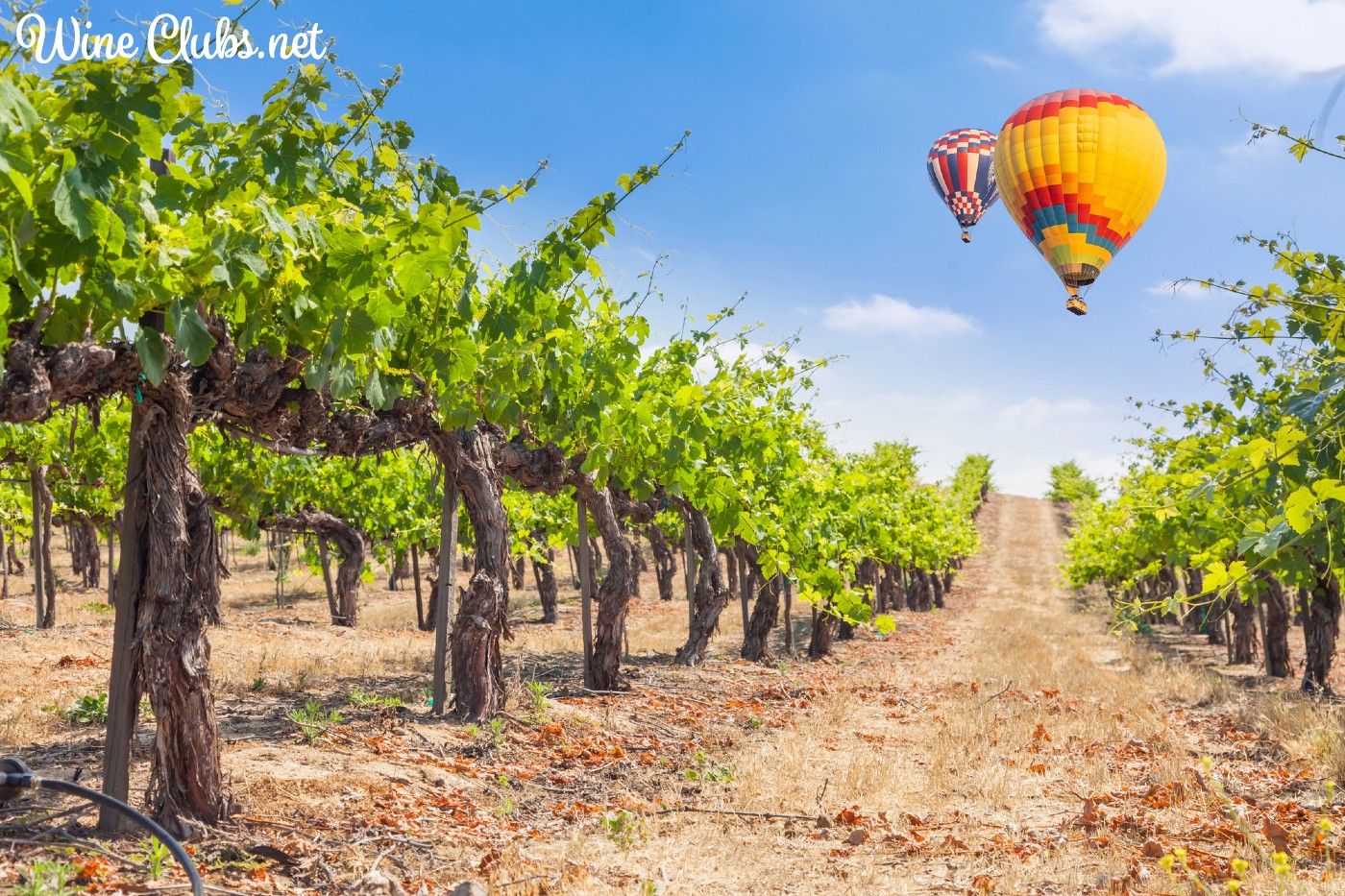
Many wineries offer beautiful grounds, restaurants, and entertainment beyond wine tasting. Hot air balloon rides, golf courses, and resort amenities create vacation destinations. The wines won’t compete with Napa’s best, but that’s not the point—Temecula delivers fun, accessible wine experiences close to Southern California’s population centers.
Plan your visit: See our complete Temecula wine tasting guide for detailed recommendations.
Other Notable California Wine Regions
Mendocino County: North of Sonoma, producing exceptional Pinot Noir, Chardonnay, and organic wines in a more remote, rugged setting.
Lodi: Inland region known for old-vine Zinfandel and value-priced wines with genuine character.
Santa Barbara County: Cool-climate region producing outstanding Pinot Noir and Chardonnay, popularized by the movie Sideways.
Livermore Valley: Historic wine region east of San Francisco Bay, offering excellent wines at reasonable prices close to the Bay Area.
Sierra Foothills: Gold Country wine region producing robust Zinfandel and Italian varietals in historic mining towns.
Planning Your California Wine Tasting Trip
Which Region Should You Visit?
Choose based on your preferences, experience level, and starting location:
Choose Napa Valley if you want:
- World-class Cabernet Sauvignon and premium wines
- Luxury experiences and upscale amenities
- Iconic wineries and prestigious names
- Fine dining and high-end accommodations
- Don’t mind paying premium prices
Choose Sonoma County if you want:
- Diverse wine styles and multiple growing regions
- Excellent quality at better value than Napa
- Relaxed, welcoming atmosphere
- Beautiful landscapes without the crowds
- Outstanding Pinot Noir and Zinfandel
Choose Paso Robles if you want:
- Bold, fruit-forward wines (Zinfandel, Rhône varietals)
- Laid-back, unpretentious experiences
- Reasonable prices and family-owned wineries
- Stunning Central Coast scenery
- Warm, sunny weather year-round
Choose Santa Cruz Mountains if you want:
- Mountain wines with character and complexity
- Small producers and intimate experiences
- Dramatic scenery and winding mountain roads
- Wines you can’t find elsewhere
- Close proximity to San Francisco Bay Area
Choose Temecula if you want:
- Easy Southern California access
- Beginner-friendly, casual atmosphere
- Resort-style amenities and activities
- Mediterranean-style wines
- Family-friendly wine country
How Long to Stay
Day trip: Visit wineries close to major cities (Santa Cruz Mountains from San Francisco, Temecula from San Diego/LA, Livermore from Bay Area)
Weekend (2-3 days): Focus on one region for quality exploration without rushing
Long weekend (3-4 days): Thoroughly explore one region or combine nearby areas (Napa + Sonoma)
Week-long (5-7 days): Visit multiple regions or dive deep into one area with plenty of time for restaurants, attractions, and relaxation
When to Visit California Wine Country
Spring (March-May):
- Vineyards awakening, wildflowers blooming
- Moderate temperatures, fewer crowds
- Good availability for reservations
- New vintage releases at many wineries
Summer (June-August):
- Peak season with warmest weather
- All wineries fully staffed and open
- Longest days for maximum winery visits
- Crowded weekends, advance reservations essential
- Higher accommodation prices
Fall (September-November):
- Harvest season—the most magical time in wine country
- Crush activities, fermentation aromas, vineyard activity
- Beautiful fall colors (especially in Napa/Sonoma)
- Perfect weather continues
- Most popular season—book far in advance
Winter (December-February):
- Quietest season with fewest crowds
- Most intimate winery experiences
- Best prices on accommodations
- Rainy season (bring layers and rain gear)
- Some smaller wineries close or reduce hours
- Cozy tasting rooms with fireplaces
Our recommendation: Late April-May or September-October offer the best balance of weather, crowds, and availability.
Sample California Wine Tasting Itineraries
Napa Valley Weekend (3 Days)
Day 1: Yountville & Oakville
- Morning: 2 wineries in Yountville (start with appointments)
- Lunch: French Laundry, Bouchon, or Ad Hoc
- Afternoon: 2 Oakville wineries
- Evening: Yountville dinner and stroll
Day 2: St. Helena & Calistoga
- Morning: 2-3 St. Helena wineries
- Lunch: St. Helena downtown or winery
- Afternoon: Calistoga wineries or wine train
- Evening: Calistoga hot springs and casual dinner
Day 3: Carneros or Stags Leap
- Morning: 2 wineries in chosen area
- Lunch: Carneros or Napa town
- Afternoon: Final winery or Napa shopping
- Departure or evening in San Francisco
Result: 8-10 wineries, mix of prestigious estates and discoveries, comprehensive Napa experience
Sonoma County Weekend (3 Days)
Day 1: Healdsburg & Dry Creek
- Arrive Healdsburg, check in
- Afternoon: 2-3 Dry Creek Valley wineries (Zinfandel focus)
- Evening: Healdsburg Plaza dinner
Day 2: Russian River Valley
- Morning: 3-4 Russian River Pinot Noir producers
- Lunch: Guerneville or Sebastopol
- Afternoon: More Russian River wineries or coast drive
- Evening: Return to Healdsburg
Day 3: Alexander Valley or Sonoma Plaza
- Morning: 2 Alexander Valley wineries (Cabernet)
- Lunch: Alexander Valley or Sonoma town
- Afternoon: Sonoma Plaza tasting rooms or departure
Result: 9-11 wineries across diverse Sonoma terroirs, great value, relaxed pace
Paso Robles Long Weekend (4 Days)
Day 1: Arrival & Westside
- Drive scenic Highway 46 West
- Afternoon: 2-3 westside wineries
- Evening: Downtown Paso Robles
Day 2: Eastside & Adelaide District
- Morning: 3-4 eastside wineries
- Lunch: Picnic at winery or Paso
- Afternoon: Adelaide District wineries
- Evening: Winery dinner or Paso restaurants
Day 3: Explore or Day Trip
- Option A: More Paso wineries
- Option B: Cambria coast wine trail
- Option C: Edna Valley (closer to coast)
Day 4: Morning Wineries & Departure
- 2 morning winery visits
- Lunch and departure
Result: 10-14 wineries, Central Coast wine discovery, relaxed atmosphere
Northern California Wine Country Tour (7 Days)
Days 1-2: Napa Valley
- 6-8 winery visits
- Fine dining experiences
- Luxury accommodations
Days 3-4: Sonoma County
- 8-10 winery visits across multiple AVAs
- Healdsburg base
- Relaxed pace and atmosphere
Days 5-6: Paso Robles
- Scenic drive down Highway 1 or 101
- 8-10 Paso Robles wineries
- Central Coast landscapes
Day 7: Return via Coast or Mountains
- Morning: Final wineries or coastal drive
- Return to starting point
Result: Comprehensive California wine country tour, 20+ wineries, diverse regions and styles
California Wine Tasting Logistics
Transportation
Driving yourself with designated driver:
- Most flexible option for exploring
- Rotate designated drivers if multiple days
- Plan 3-4 wineries maximum per day
- Download offline maps (cell service spotty in wine country)
Wine tour companies:
- Available in all major regions
- $100-200 per person typically
- Visit 3-5 wineries with transportation and guide
- Good for solo travelers or groups avoiding driving
Private car services/limos:
- $500-1,000+ per day
- Maximum flexibility on schedule
- Best for special occasions or larger groups
Bike tours:
- Popular in flatter regions (Napa Valley, Paso Robles)
- Visit 2-3 wineries at leisurely pace
- Combine wine tasting with exercise and scenery
- $150-250 per person with bike, helmet, guide
Uber/Lyft:
- Works in Napa Valley and other developed regions
- Limited availability in rural areas
- Expensive for long distances between wineries
- Best for downtown tasting room hopping
Critical reminder: Never drive after wine tasting. California has strict DUI laws and wine country roads require full attention.
Making Reservations
California wine tasting increasingly requires reservations:
Napa Valley: Reservations required at most wineries, especially weekends. Book 2-4 weeks ahead.
Sonoma County: Recommended for weekends, required at premium estates. Book 1-3 weeks ahead.
Paso Robles: Many wineries accept walk-ins, but calling ahead recommended. Book 1 week ahead for weekends.
Santa Cruz Mountains: Small wineries often require appointments. Call or email 1-2 weeks ahead.
Temecula: Most wineries accept walk-ins, but reservations ensure availability. Book 1 week ahead.
General rule: Always call or book online before visiting, especially for groups or popular weekends.
Where to Stay
Napa Valley:
- Yountville (central, dining hub)
- St. Helena (wine country charm)
- Calistoga (casual, hot springs)
- Napa town (more affordable, less central)
- Expect $250-500+ per night
Sonoma County:
- Healdsburg (best overall base)
- Sonoma town (historic plaza, walkable)
- Sebastopol (Russian River access)
- Santa Rosa (largest city, more options)
- Expect $200-400+ per night
Paso Robles:
- Downtown Paso Robles (walkable tasting rooms)
- Westside wine country (rural, peaceful)
- Templeton (small town nearby)
- Expect $150-300 per night
Booking tips:
- Book 2-3 months ahead for peak season weekends
- Midweek rates often 30-50% lower
- Consider Airbnb/VRBO for groups or longer stays
- Some wineries offer on-site accommodations
What to Expect at California Wine Tastings
Tasting Formats
Classic tasting: $20-50 per person, 4-6 wines, 30-45 minutes, standing or seated at bar
Seated tasting: $40-75 per person, 5-7 wines, table service, more time and attention, often outdoors
Tour & tasting: $50-100 per person, vineyard or cave tour plus tasting, 60-90 minutes
Food pairing: $75-150 per person, wines paired with cheese, charcuterie, or multi-course meal
Premium/library tasting: $100-200+ per person, rare or older vintages, intimate setting, extensive time
Tasting Fees
California wine tasting isn’t free like it used to be. Expect to pay:
Napa Valley: $50-100+ (often waived with purchase)
Sonoma County: $25-50 (usually waived with purchase)
Paso Robles: $20-35 (often waived with purchase)
Santa Cruz Mountains: $25-40 (varies by winery)
Temecula: $20-30 (commonly waived with purchase)
Many wineries waive tasting fees with wine purchases (typically 2-3 bottles minimum). Some premium estates don’t waive fees regardless of purchase.
Wine Tasting Etiquette
Arrive on time: Respect reservation windows—wineries schedule carefully
Pace yourself: 3-4 wineries per day maximum—more creates palate fatigue and risks overindulgence
Use dump buckets: Provided at every tasting—you’re not expected to finish every pour
Ask questions: Staff love sharing knowledge about wines, vineyards, and winemaking
Buy wine: If you love wines, support wineries through purchases or club memberships
Tip appropriately: $10-20 per couple for standard tastings, $20+ for tours or premium experiences
Be respectful: These are working farms and businesses—treat them with care
No strong fragrances: Perfume/cologne interferes with wine aromas
Children: Some wineries welcome families, others are adults-only—check policies before visiting

What to Bring
- Layers: Wine country weather changes throughout the day—mornings cool, afternoons warm
- Comfortable shoes: Vineyard walks, gravel paths, uneven terrain common
- Sunscreen and hat: California sun is strong, especially in summer
- Sunglasses: Essential for outdoor tastings
- Water bottles: Stay hydrated between wineries
- Snacks: Light snacks help pace wine consumption
- Notebook or phone: Track favorites (you’ll forget after several wineries)
- Cash for tips: Some wineries prefer cash gratuities
- Cooler or insulated bag: Preserve wine purchases in warm cars
- Picnic supplies: Some wineries welcome picnics on grounds
- Light jacket: Even in summer, mornings and evenings can be cool
California Wine Tasting Tips
Book Ahead
Gone are the days of spontaneous winery hopping. Most California wineries now require reservations, especially in Napa. Call or book online at least 1-2 weeks ahead for weekends, longer for peak season (September-October).
Start with a Plan
Research wineries beforehand and choose those matching your interests. Trying to visit too many creates fatigue and diminishes enjoyment. Quality over quantity—3-4 wineries per day allows proper appreciation.
Mix Winery Types
Combine prestigious estates with smaller discoveries. The famous names deliver on expectations, but small family wineries often provide the most memorable personal experiences.
Consider Timing
Start tastings around 10-11 AM when you’re fresh. Break for lunch (heavy food helps). Visit 1-2 afternoon wineries maximum. Evening wine with dinner hits differently after a day of tasting.
Use Tasting Room Etiquette
Dump liberally—you’re not obligated to finish pours. Drinking everything at 4-5 wineries leads to palate fatigue and poor decisions. Take notes on wines you love (you’ll forget otherwise). Ask questions—staff enjoy sharing their passion.
Skip the Iconic Names (Sometimes)
Sure, visit one or two famous wineries to experience them. But some of California’s best wines come from smaller producers you’ve never heard of. Ask locals, tasting room staff, and sommeliers for hidden gems.
Buy Wine Smart
Don’t feel obligated to buy at every winery. Purchase wines you genuinely love, especially those unavailable outside the winery. Join wine clubs for favorites—you’ll get member pricing and access to limited releases.
Avoid Weekend Crowds
If your schedule allows, visit weekdays. You’ll find smaller crowds, more attention from staff, easier reservations, and a more relaxed overall experience.
Combine Wine with Food
California wine country offers world-class restaurants. Make reservations at top establishments and experience how great food enhances wine (and vice versa).
Explore Beyond Wine
Hot air balloons in Napa, hiking in Sonoma, coastal drives near Paso Robles—wine country offers activities beyond tasting rooms. Balance wine with other experiences for a more complete trip.
Bring California Wine Home: Wine Clubs
After exploring California wine country, most people face reality: they can’t visit every weekend. This is where wine clubs become invaluable for continuing your wine discovery at home.
Wine clubs deliver:
- Curated California wines from regions you visited
- Access to small producers with limited distribution
- Member pricing and exclusive releases
- Convenient delivery to your door
- Year-round wine country connection
California Wine Tasting Mistakes to Avoid
Trying to Do Too Much
The biggest mistake first-time visitors make is attempting to visit too many wineries. Five or six tastings in a day creates palate fatigue, ruins appreciation, and risks overindulgence. Stick to 3-4 maximum.
Not Making Reservations
Showing up without reservations, especially in Napa, means getting turned away. Most wineries now require appointments. Always call ahead or book online.
Skipping Lunch
Wine tasting on an empty stomach accelerates intoxication and ruins your palate. Plan a proper lunch break with substantial food between morning and afternoon wineries.
Wearing Inappropriate Clothing
High heels don’t work in vineyards. Strong perfumes interfere with wine aromas. Dress casually but appropriately—comfortable shoes, layers, no heavy fragrances.
Only Visiting Famous Wineries
The prestigious names are worth experiencing, but some of California’s best wines and most memorable experiences come from small, lesser-known producers. Mix it up.
Not Using Dump Buckets
Feeling obligated to finish every pour leads to intoxication and palate fatigue. Dump liberally—it’s expected and appreciated. You’re tasting, not drinking competitions.
Ignoring Smaller Regions
Everyone flocks to Napa, but Paso Robles, Santa Cruz Mountains, and other regions offer exceptional wines at better values with fewer crowds. Don’t overlook them.
Going During Peak Season Without Planning
Visiting during harvest (September-October) without advance reservations, accommodations, and restaurant bookings leads to disappointment. Peak season requires months of advance planning.
Driving After Tasting
California DUI laws are strict. Wine country roads are winding and require full attention. Never drive after tasting—arrange designated drivers, tours, or car services.
Not Exploring Food Options
California wine country features world-class restaurants. Booking dinner at acclaimed establishments enhances your trip and shows how great food pairs with wine.

Regional Deep Dives
For comprehensive planning information about specific California wine regions, see our detailed guides:
- Napa Valley Wine Tasting Guide – Complete guide to America’s premier wine region
- Sonoma County Wine Tasting Guide – Explore diverse Sonoma appellations
- Paso Robles Wine Tasting Guide – Central Coast wine discovery
- Santa Cruz Mountains Wine Tasting Guide – Mountain wine adventure
- Carmel Valley Wine Tasting Guide – Intimate coastal wine experiences
- Temecula Wine Tasting Guide – Southern California wine country
- Finger Lakes Wine Tasting Guide – New York’s cool-climate wine region (for comparison)
Start Planning Your California Wine Tasting Adventure
California wine country offers something for everyone—world-class wines, stunning scenery, diverse experiences, and genuine hospitality. Whether you’re a first-time visitor planning a Napa weekend or a seasoned wine lover exploring lesser-known regions, California delivers unforgettable wine tasting experiences.
The key is choosing the right region for your interests, planning appropriately, and approaching wine tasting with realistic expectations. You don’t need to visit every famous winery or taste every wine—focus on quality experiences that match your preferences.
Ready to explore California wine country?
- Choose your region: Decide which California wine area matches your interests and budget
- Read detailed guides: Check our region-specific pages for comprehensive planning
- Make reservations: Book wineries, accommodations, and restaurants 2-4 weeks ahead (longer for peak season)
- Plan transportation: Arrange designated driver, wine tour, or car service
- Set realistic goals: Plan 3-4 wineries per day maximum
- Book accommodations early: Wine country hotels fill up, especially weekends and harvest season
- Explore wine clubs: Continue your California wine discovery at home year-round
California wine tasting offers experiences you’ll remember long after the last pour. From Napa Valley’s prestigious estates to Paso Robles’ laid-back charm, from Sonoma’s diverse terroirs to Santa Cruz Mountains’ hidden gems, California wine country awaits your discovery.
Start planning your California wine adventure today! 🍷