

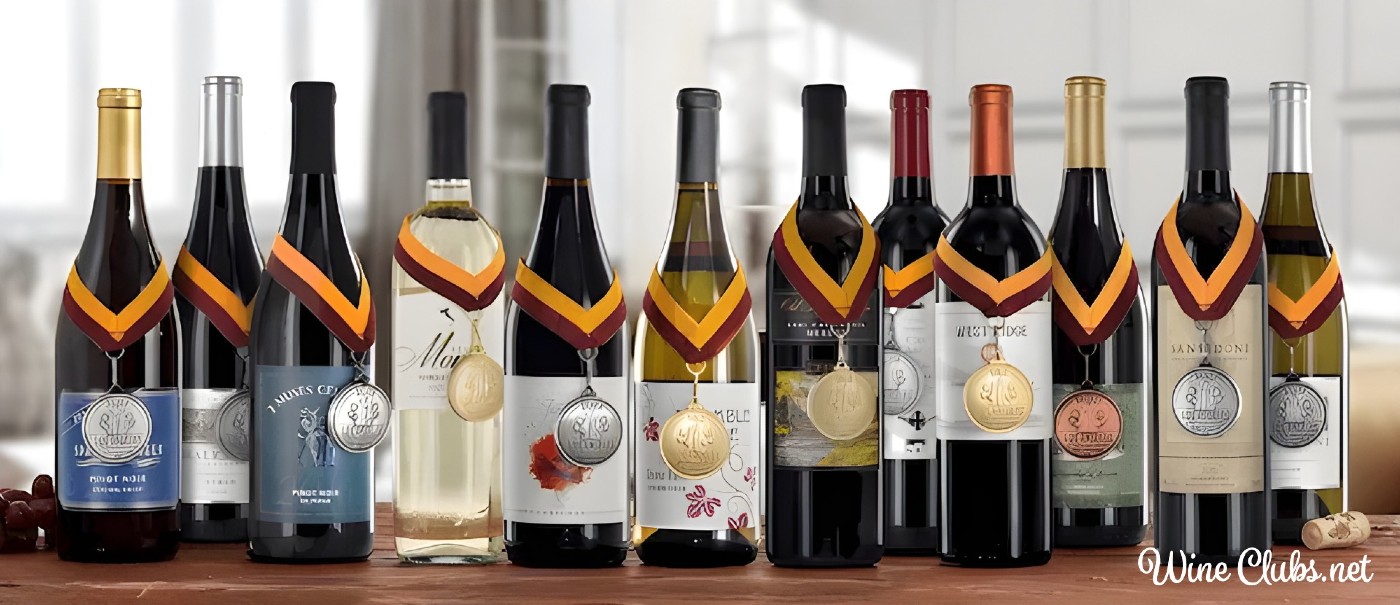
90-point wine clubs deliver professionally rated wines scoring 90+ points from respected critics like Wine Spectator, Wine Advocate (Robert Parker), Wine Enthusiast, and other authoritative sources—providing quality assurance through third-party validation that wines meet objectively high standards. Whether you’re a collector seeking critically acclaimed wines, a wine enthusiast building confidence through professional ratings, or someone discovering quality wines without extensive personal knowledge, 90-point wine club memberships connect you with exceptional wines that critics recognize as “outstanding” or better. After reviewing over 150 wine clubs since 2002, we’ve identified the best wine clubs consistently delivering highly rated wines that justify their scores through genuine quality and value.
What Makes a 90-Point Wine Club “Best”?
The best 90-point wine clubs share these essential qualities:
- Consistent ratings from reputable critics (Wine Spectator, Wine Advocate, Wine Enthusiast)
- Transparent scoring showing which wines earned 90+ ratings and from which critics
- Quality over marketing – wines genuinely deserve their scores, not inflated ratings
- Value proposition delivering 90+ wines at prices below typical retail
- Diverse selections from various regions and styles, all meeting quality standards
- Educational approach teaching wine evaluation and what ratings mean
- Authentic curation by experts who understand quality beyond just scores
Bottom line: The best 90-point wine clubs deliver genuinely excellent wines that earn their scores through quality, not marketing—providing confidence that every bottle meets objectively high standards.
Top 10 Best 90-Point Wine Clubs (2026)
1. Wine Access – Rated Wine Focus
Best for: Professionally rated wines with critic scores and tasting notes
Rating: ⭐⭐⭐⭐⭐ (5/5)
Our Take: Wine Access stands as our top choice for 90-point wine clubs, consistently delivering wines rated 90+ points by major critics while offering prices 20-40% below typical retail through direct producer relationships. The service emphasizes professional ratings and critic reviews, displaying Wine Spectator, Wine Advocate, Wine Enthusiast, and other scores prominently—providing quality confidence through third-party validation before you commit to any wine.
What sets Wine Access apart is transparency and curation quality. Every wine listing shows professional ratings (when available), retail comparison pricing, and detailed tasting notes from critics. The curation team sources limited-production wines from quality producers, negotiates direct pricing, and passes savings to members—meaning you’re accessing 90+ point wines at prices that make building a quality collection affordable.
The platform combines wine club flexibility with à la carte purchasing—you can join curated clubs delivering 90+ rated selections monthly, or browse and purchase individual highly rated wines when you want them. This flexibility, combined with transparent ratings and excellent pricing, makes Wine Access ideal for wine enthusiasts who trust professional critics and want quality assurance before purchasing.
Wines: Limited-production wines with professional ratings, global selection
Pricing: Varies by selection, typically 20-40% below retail for 90+ wines
Ratings Source: Wine Spectator, Wine Advocate, Wine Enthusiast, International Wine Cellar, others
Pros:
- Transparent professional ratings displayed
- Consistently delivers 90+ point wines
- 20-40% below typical retail pricing
- Limited-production wine access
- Multiple critic sources (Spectator, Advocate, Enthusiast)
- Detailed professional tasting notes
- Flexible purchasing (club or à la carte)
- Quality producer relationships
- Educational approach to wine ratings
- Free shipping on $150+ orders
Cons:
- Premium pricing (though discounted from retail)
- Not all wines have 90+ ratings (filter required)
- Best for those who value professional ratings
- Requires active selection vs. passive curation
Who should join: Rating-focused wine enthusiasts, collectors of critically acclaimed wines, those building quality cellars affordably, wine lovers trusting professional critics
—
2. WSJ Wine (Wall Street Journal Wine Club)
Best for: Curated 90+ wines with brand trust and quality assurance
Rating: ⭐⭐⭐⭐⭐ (5/5)
Our Take: WSJ Wine Club (operated by Laithwaites Wine) delivers curated selections emphasizing wines scoring 90+ points from major critics, combining the Wall Street Journal’s brand reputation with consistent quality standards and professional ratings. For wine enthusiasts seeking trust, reliability, and critically acclaimed wines without extensive research, WSJ Wine provides confidence through both brand authority and professional wine ratings.
What makes WSJ Wine valuable for rating-focused members is the curation team’s emphasis on professionally rated wines. Selections frequently include 90+ point scores from Wine Spectator, Wine Enthusiast, and other respected sources, with these ratings prominently featured in wine descriptions. The WSJ brand ensures quality control—they won’t risk reputation on mediocre wines, so curation standards remain consistently high.
The club offers multiple tiers (red, white, mixed, premium) all featuring highly rated selections, with free shipping on wine club shipments adding value. Educational materials explain what ratings mean, how critics evaluate wine, and why specific wines earned their scores—teaching members to appreciate quality beyond just numbers. For busy professionals trusting both WSJ brand and professional critics, this club delivers quality assurance through dual validation.
Wines: Curated global selection emphasizing 90+ rated wines
Pricing: Typically $70-90/month for 6 bottles, free shipping included
Ratings Source: Wine Spectator, Wine Enthusiast, other major critics
Pros:
- Consistently features 90+ rated wines
- WSJ brand reputation and quality standards
- Free shipping on wine club shipments
- Professional ratings prominently displayed
- Educational approach to wine ratings
- Multiple tiers and preferences
- Reliable curation quality
- Satisfaction guarantee
- No surprises – consistent excellence
Cons:
- Less transparency than Wine Access (not all wines show ratings)
- Higher base prices than budget clubs
- Predetermined selections (less control)
- Brand premium in pricing
- Not exclusively 90+ (though frequently)
Who should join: Busy professionals seeking quality assurance, WSJ readers trusting brand reputation, those wanting curated 90+ wines without research, rating-conscious wine enthusiasts
—
3. Wine Spectator Wine Club
Best for: Direct access to Wine Spectator’s rated wines
Rating: ⭐⭐⭐⭐⭐ (5/5)
Our Take: Wine Spectator Wine Club delivers wines selected by Wine Spectator’s editorial team from their extensive tasting database, providing direct access to wines that earned 90+ scores in Wine Spectator reviews. For wine enthusiasts who follow Wine Spectator ratings religiously and trust their 100-point scale, this club offers the most authentic connection between ratings and selections—wines come directly from the source that rated them.
What makes Wine Spectator Wine Club unique is editorial credibility and rating consistency. The club features wines from Wine Spectator’s own reviews, meaning the same critics who assigned scores also curate selections. This alignment ensures quality matches ratings—you’re getting wines that genuinely earned their 90+ scores from the publication whose ratings you trust, not third-party interpretations.
The club offers multiple series (Tasting Highlights, Collector Series, Grand Tour) each featuring highly rated selections, with detailed tasting notes written by Wine Spectator’s critics explaining what makes each wine excellent. Educational materials teach Wine Spectator’s rating philosophy, tasting methodology, and how to evaluate wine quality yourself. For Wine Spectator subscribers and rating devotees, this represents the most direct path from professional reviews to your cellar.
Wines: Selections from Wine Spectator’s reviewed wines, global variety
Pricing: Premium tier, varies by series (typically $100-200+/shipment)
Ratings Source: Wine Spectator exclusively
Pros:
- Direct from Wine Spectator editorial team
- Wines from Wine Spectator’s own reviews
- Consistent 90+ point focus
- Editorial credibility and expertise
- Detailed Wine Spectator tasting notes
- Educational approach to wine evaluation
- Multiple series for different interests
- Authentic rating-to-selection alignment
- Quality confidence from trusted source
Cons:
- Premium pricing
- Single rating source (Wine Spectator only)
- May require Wine Spectator subscription for full value
- Less frequent shipments than monthly clubs
- Best for Wine Spectator devotees
Who should join: Wine Spectator subscribers, devoted followers of Wine Spectator ratings, collectors of critically acclaimed wines, those trusting Wine Spectator’s 100-point scale
—
4. Gold Medal Wine Club – 90+ Series
Best for: Award-winning and highly rated wines from boutique producers
Rating: ⭐⭐⭐⭐ (4/5)
Our Take: Gold Medal Wine Club specializes in award-winning wines from boutique producers, with their premium series emphasizing 90+ point ratings alongside competition medals and accolades. The club combines professional critic scores with wine competition results, providing multiple quality validations—wines earn both professional ratings (90+ points) and competition recognition (gold medals, best of class).
What distinguishes Gold Medal Wine Club is the dual validation approach and boutique producer focus. Rather than featuring wines from large, famous producers that naturally receive critical attention, the club discovers small wineries crafting exceptional wines that earn both professional ratings and competition awards. This creates opportunities to taste 90+ point wines from producers you’ve likely never heard of—expanding wine knowledge beyond familiar names.
The club offers multiple tiers (Gold Series, Platinum Series, Diamond Series) with higher tiers emphasizing 90+ rated selections. Educational materials explain wine competitions, professional rating systems, and what different accolades mean—teaching members to evaluate quality through multiple lenses beyond just critic scores. For wine enthusiasts seeking validated quality from boutique producers, this club delivers discovery with confidence.
Wines: Award-winning boutique wines with professional ratings
Pricing: Mid to premium range, varies by series ($60-150+/month)
Ratings Source: Multiple critics (Spectator, Advocate, Enthusiast) plus competition awards
Pros:
- Dual validation (ratings + competition awards)
- Boutique producer discoveries
- Multiple tiers emphasizing 90+ wines
- Educational approach to quality indicators
- Wines from small, unknown producers
- Multiple rating sources
- Support boutique winemakers
- Good value for 90+ wines
- Satisfaction guarantee
Cons:
- Not all wines in lower tiers are 90+
- Must choose premium tiers for consistent 90+ ratings
- Boutique wines less familiar/prestigious
- Variable rating coverage (not all wines rated by major critics)
Who should join: Boutique wine discoverers, those appreciating multiple quality indicators, value-conscious 90+ seekers, explorers beyond famous names
—
5. Cellars Wine Club – Premium Selection
Best for: Sommelier-curated 90+ wines with expert education
Rating: ⭐⭐⭐⭐⭐ (5/5)
Our Take: Cellars Wine Club’s premium tiers deliver sommelier-curated selections emphasizing wines rated 90+ points by major critics, combining professional ratings with expert sommelier knowledge and comprehensive education. For wine enthusiasts seeking both objective quality validation (critic scores) and subjective expert curation (sommelier expertise), Cellars provides dual assurance that selections represent genuine excellence.
What makes Cellars exceptional is the educational approach to ratings and quality. Sommeliers explain not just that a wine scored 90+ points, but why—what characteristics critics valued, how terroir and winemaking contributed to quality, and what makes this wine special beyond its numerical score. This transforms ratings from abstract numbers into meaningful quality indicators you can understand and appreciate.
The club offers multiple tiers with premium levels consistently featuring 90+ rated selections from respected critics. Educational materials teach wine evaluation, tasting methodology, and how professional critics assess wine—building your ability to recognize quality independently of scores. For motivated wine learners who want quality assurance plus education, Cellars delivers both confidence and knowledge.
Wines: Sommelier-curated global selections, premium tiers emphasize 90+ wines
Pricing: Varies by tier, premium levels $80-130/month
Ratings Source: Wine Spectator, Wine Advocate, Wine Enthusiast, sommelier evaluation
Pros:
- Sommelier expertise plus professional ratings
- Comprehensive educational materials
- Premium tiers consistently deliver 90+ wines
- Learn why wines earn high scores
- Multiple rating sources referenced
- Progressive education building wine knowledge
- Quality wine selection
- Flexible membership
- Good value for education + quality
Cons:
- Must choose premium tiers for consistent 90+ ratings
- Higher prices than budget clubs
- Educational approach may overwhelm casual drinkers
- Not exclusively focused on ratings (sommelier judgment also factors)
Who should join: Motivated wine learners, those wanting ratings plus education, sommelier-curated selection appreciators, progressive wine students
—
6. Napa Valley Wine Club – Reserve Selection
Best for: 90+ point Napa Cabernet and premium California wines
Rating: ⭐⭐⭐⭐⭐ (5/5)
Our Take: Napa Valley Wine Club’s Reserve Selection consistently delivers premium Napa Valley wines rated 90+ points by major critics, specializing in Cabernet Sauvignon and Bordeaux-style blends from the world’s premier Cabernet region. For lovers of California Cabernet and collectors seeking age-worthy 90+ wines at better-than-retail prices, this club provides direct access to Napa’s finest with quality validated by professional critics.
What makes Napa Valley Wine Club valuable for rating-focused members is the combination of regional expertise and consistent critical acclaim. Napa Cabernet naturally attracts critic attention, so finding 90+ rated selections is relatively easy—the club’s value lies in sourcing these wines at prices below retail through direct winery relationships. You’re getting $75-150 retail Napa Cabernet scoring 90+ points at member prices of $35-60 per bottle.
The club features selections from established Napa estates and emerging producers, all producing Cabernet and blends that critics recognize as excellent. Educational materials explain Napa’s sub-regions, what critics value in Napa Cabernet, and how vineyard sites affect wine quality and ratings. For Cabernet collectors seeking 90+ wines with aging potential, Napa Valley Wine Club delivers consistent quality with professional validation.
Wines: Napa Valley Cabernet Sauvignon, Merlot, Bordeaux blends – 90+ rated focus
Pricing: Premium tier ($80-140/month), good value for 90+ Napa wines
Ratings Source: Wine Spectator, Wine Advocate, Wine Enthusiast
Pros:
- Consistently delivers 90+ Napa Cabernet
- Better-than-retail pricing for rated wines
- Age-worthy, collectible selections
- Regional expertise (Napa specialists)
- Direct winery relationships
- Educational Napa terroir focus
- Professional ratings featured prominently
- Support Napa family wineries
- Investment-grade wine potential
Cons:
- Napa Valley only (regional limitation)
- Premium pricing (though justified)
- Heavy Cabernet focus (limited varietal diversity)
- Wines may need aging for optimal enjoyment
- Best for Cabernet enthusiasts
Who should join: Napa Cabernet collectors, 90+ Cabernet seekers, age-worthy wine investors, premium California wine enthusiasts
—
7. French Wine Club – Grand Cru Focus
Best for: 90+ French wines from prestigious appellations
Rating: ⭐⭐⭐⭐⭐ (5/5)
Our Take: French Wine Club’s premium selections emphasize wines from grand cru and premier cru vineyards in Bordeaux and Burgundy—appellations naturally producing wines that earn 90+ ratings from critics who understand French terroir and classification systems. For lovers of French wine seeking professionally validated excellence from prestigious appellations, this club delivers wines critics recognize as outstanding representations of their regions.
What distinguishes French Wine Club for rating-focused collectors is the alignment between French wine classifications and professional ratings. Grand cru Burgundy, classified growth Bordeaux, and other prestigious French appellations produce wines that consistently earn 90+ scores because centuries of terroir refinement, strict quality standards, and traditional winemaking create objectively excellent wines. Professional ratings validate what French classification already indicates—these are exceptional wines.
The club features selections from legendary French regions with detailed explanations of French classifications, what critics value in French wines, and how ratings interact with appellation systems. Educational materials teach you to evaluate French wine quality through both traditional classifications and modern professional ratings—building comprehensive understanding that goes beyond just scores. For serious French wine collectors, this provides dual quality validation from history and contemporary critics.
Wines: French wines from grand cru, premier cru, and classified appellations
Pricing: Premium to luxury ($100-200+/month)
Ratings Source: Wine Spectator, Wine Advocate, Wine Enthusiast, French classifications
Pros:
- Grand cru/premier cru quality naturally earns 90+ ratings
- French classification plus professional ratings validation
- Prestigious appellations (Bordeaux, Burgundy)
- Age-worthy collectible French wines
- Educational French wine classification
- Support historic French estates
- Investment-grade wines
- Critics who understand French terroir
Cons:
- Premium to luxury pricing
- French wines only (country limitation)
- May require aging for optimal enjoyment
- French classification complexity
- Best for serious French wine collectors
Who should join: French wine collectors, Bordeaux and Burgundy enthusiasts, those appreciating dual quality validation (classification + ratings), investment-grade wine seekers
—
8. Italian Wine Club – 90+ Selection
Best for: 90+ Italian wines from top regions
Rating: ⭐⭐⭐⭐ (4/5)
Our Take: Italian Wine Club’s premium selections feature wines rated 90+ points from major critics who cover Italian wine extensively—focusing on Barolo, Brunello di Montalcino, Amarone, Super Tuscans, and other Italian wines earning international critical acclaim. For lovers of Italian wine seeking quality validated by professional critics who understand Italian terroir and winemaking traditions, this club delivers Italy’s finest with objective quality assurance.
What makes Italian Wine Club valuable for rating-focused members is access to 90+ Italian wines at better prices than typical US retail. Italian wines often cost less than comparable French or California wines despite earning similar ratings—the club capitalizes on this value, sourcing directly from Italian producers and importers to deliver critically acclaimed Italian wines at compelling prices. You’re getting 90+ Barolo, Brunello, and Amarone at significantly less than US wine shop prices.
The club features selections from prestigious Italian DOCG regions (Barolo, Barbaresco, Brunello, Amarone) naturally producing wines that earn high ratings, plus emerging Italian regions crafting quality wines critics recognize. Educational materials explain Italian wine classifications (DOCG, DOC), what critics value in Italian wines, and how Italian terroir creates distinctive characteristics that earn critical acclaim. For Italian wine enthusiasts, this provides quality confidence through professional validation.
Wines: Italian wines from top DOCG regions and critically acclaimed producers
Pricing: Mid to premium range ($70-130/month), excellent value for 90+ Italian wines
Ratings Source: Wine Spectator, Wine Advocate, Wine Enthusiast, Italian Wine Report
Pros:
- 90+ Italian wines at better value than French/California
- DOCG regions naturally produce highly rated wines
- Access to Barolo, Brunello, Amarone with critical acclaim
- Direct Italian sourcing
- Educational Italian wine focus
- Age-worthy Italian reds
- Support Italian family estates
- Good value for 90+ wines
Cons:
- Italian wines only (country limitation)
- May require aging for optimal enjoyment
- Italian classification complexity (DOCG, DOC)
- Best appreciated with food (Italian wine philosophy)
- Variable critic coverage of Italian wines
Who should join: Italian wine enthusiasts, value-conscious 90+ seekers, Barolo and Brunello collectors, lovers of age-worthy Italian reds
—
9. Robert Parker Wine Advocate – Recommended Wines
Best for: Robert Parker/Wine Advocate scores devotees
Rating: ⭐⭐⭐⭐⭐ (5/5)
Our Take: Wine Advocate (founded by Robert Parker) offers wine recommendations through their publication and partnerships, focusing on wines scoring 90+ points on their 100-point scale—arguably the most influential wine rating system globally. For wine collectors who follow Robert Parker scores religiously and trust Wine Advocate’s palate and methodology, access to their recommended wines provides ultimate quality confidence from the rating source that shaped modern wine criticism.
What makes Wine Advocate recommendations unique is rating influence and consistency. Robert Parker’s 100-point scale revolutionized wine criticism, and Wine Advocate scores (now by team of critics continuing Parker’s legacy) remain highly influential in wine markets worldwide. Wines scoring 90+ from Wine Advocate often see price increases and allocation challenges—getting access to these wines at fair prices through official Wine Advocate channels provides value beyond just ratings.
The service (often through partnerships with wine retailers and clubs) features wines from Wine Advocate reviews with detailed tasting notes from Wine Advocate critics explaining scores. Educational materials teach Wine Advocate’s rating philosophy, tasting methodology, and how their critics evaluate wine quality. For Parker/Wine Advocate devotees, this represents direct connection from rating source to your cellar—ultimate quality assurance for those trusting this particular critical voice.
Wines: Selections from Wine Advocate reviews, 90+ focus
Pricing: Premium tier, varies by source and availability
Ratings Source: Wine Advocate exclusively (Robert Parker legacy)
Pros:
- Direct from Wine Advocate (Robert Parker legacy)
- Most influential wine rating system
- Consistent 90+ point focus
- Detailed Wine Advocate tasting notes
- Quality confidence from trusted source
- Access to Advocate-scored wines
- Educational rating methodology
- Investment-grade wine guidance
Cons:
- Premium pricing
- Single rating source (Wine Advocate only)
- May require Wine Advocate subscription
- Parker’s personal influence diminished (team of critics now)
- Best for Wine Advocate devotees specifically
Who should join: Robert Parker/Wine Advocate followers, devotees of Wine Advocate ratings, collectors guided by specific critical voice, investment-grade wine seekers
—
10. Premium Multi-Source 90+ Wine Club
Best for: Diverse 90+ wines from multiple critics and regions
Rating: ⭐⭐⭐⭐ (4/5)
Our Take: Premium wine clubs focusing on 90+ scores from multiple professional sources (Wine Spectator, Wine Advocate, Wine Enthusiast, International Wine Cellar) deliver diverse selections validated by various critics—providing quality confidence that doesn’t rely on any single rating voice. For wine enthusiasts who trust professional ratings generally but don’t follow specific critics exclusively, multi-source 90+ clubs deliver validated quality with maximum variety.
What makes multi-source approach valuable is consensus validation and diversity. When a wine scores 90+ from multiple critics, it indicates objective quality transcending individual palate preferences—the wine genuinely excels rather than just matching one critic’s taste. The club can draw from global wine regions and diverse styles, selecting wines that earned 90+ scores regardless of critic source, creating varied and interesting selections all meeting quality standards.
These clubs typically feature detailed information about which critics rated wines, what scores they assigned, and tasting note comparisons. Educational materials teach you about different rating systems, how critics’ palates differ, and what consensus scores indicate about wine quality. For rating-conscious wine enthusiasts seeking diversity and multiple validations, this approach delivers quality confidence with maximum variety.
Wines: Global selection featuring 90+ ratings from various professional sources
Pricing: Mid to premium range ($80-140/month)
Ratings Source: Multiple critics (Spectator, Advocate, Enthusiast, others)
Pros:
- Multiple critic validation (consensus quality)
- Maximum wine diversity
- Not beholden to single critic’s palate
- Global wine selection
- Educational comparison of rating systems
- Learn different critics’ perspectives
- Quality confidence from multiple sources
- Variety prevents palate fatigue
Cons:
- Less consistent critical voice
- May lack single-source authenticity
- Variable which critic scored which wine
- Requires trusting ratings generally vs. specific critic
Who should join: Rating-conscious wine enthusiasts, those trusting professional critics generally, seekers of diverse 90+ selections, comparative learners
—
Understanding Wine Ratings and Scores
The 100-Point Wine Rating Scale
Most professional wine critics use the 100-point scale established by Robert Parker:
96-100 Points: Extraordinary – world-class wines of profound complexity
- Virtually perfect wines with no apparent flaws
- Represent pinnacle of winemaking and terroir
- Rare scores reserved for exceptional wines
- Often age-worthy for decades
- Command premium prices and collector interest
90-95 Points: Outstanding to Exceptional
- Excellent wines with distinctive character
- Minor flaws permissible but overall excellence clear
- Where most “90-point wine clubs” focus
- Represent genuine quality worthy of seeking
- Good value potential in 90-92 range
85-89 Points: Very Good to Good
- Quality wines with specific characteristics
- Correct and pleasant but not exceptional
- Good everyday drinking wines
- Value wines often score here
80-84 Points: Acceptable to Good
- Simple, straightforward wines
- Minimal flaws but limited complexity
- Budget-friendly everyday wines
Below 80 Points: Below Average to Poor
- Flawed or unbalanced wines
- Generally avoid unless very specific use
Major Wine Rating Publications
Wine Spectator:
- Most widely recognized wine publication in America
- Team of critics review 15,000+ wines annually
- 100-point scale with detailed tasting notes
- Strong coverage of California, Bordeaux, Italy
- Influence: Extremely high, especially in American market
Wine Advocate (Robert Parker):
- Founded by Robert Parker, now team of critics
- Most influential ratings globally (especially Bordeaux)
- 100-point scale pioneered modern wine criticism
- Parker scores still move wine markets
- Influence: Highest for investment-grade wines
Wine Enthusiast:
- Major American wine publication
- Reviews 18,000+ wines annually
- 100-point scale with value focus
- Good coverage across price points
- Influence: High, especially for value wines
International Wine Cellar (Stephen Tanzer):
- Focused, in-depth wine reviews
- 100-point scale
- Strong Burgundy and Bordeaux coverage
- Influence: High among serious collectors
Jancis Robinson:
- British wine critic, Master of Wine
- 20-point scale (converted to 100 for comparison)
- Strong European wine coverage
- Influence: High in UK and among wine professionals
What 90+ Points Actually Means
Understanding what 90+ ratings indicate helps you use scores wisely:
Objective Quality Indicators:
- Wine is technically sound (no faults)
- Displays complexity and depth
- Shows distinctive character from terroir or winemaking
- Balanced across components (acid, tannin, alcohol, fruit)
- Possesses sufficient concentration and length
What 90+ Doesn’t Guarantee:
- You will personally enjoy it (personal taste varies)
- It’s ready to drink now (may need aging)
- It’s worth the price (ratings don’t equal value)
- It’s better than 89-point wine you love
- It suits your food pairing needs
Rating Consistency and Reliability:
- Different critics score same wine differently (sometimes 5-10 points apart)
- Vintage variation affects scores significantly
- Bottle variation exists (especially older wines)
- Tasting conditions influence scores
- Critics’ palates and preferences differ
—
Getting Maximum Value from 90-Point Wine Clubs
Beyond Just the Numbers
Use ratings as quality indicators, not absolute truth:
Read Tasting Notes:
- Understand why wine earned its score
- Check if described characteristics match your preferences
- Look for specific descriptors relevant to your tastes
- Notice if wine needs aging or drinks well now
Compare Multiple Sources:
- Consensus 90+ scores indicate reliable quality
- Divergent scores suggest stylistic wine (love it or hate it)
- Check if different critics noted same characteristics
- Higher score spread = more controversial wine
Consider Your Palate:
- Learn which critics’ palates align with yours
- Trust critics who consistently recommend wines you enjoy
- Understand your preferences vs. critic preferences
- Don’t buy wines just for scores—buy for enjoyment
Maximizing Value from Rated Wines
Price-to-Rating Sweet Spots:
- 90-92 points: Often best value—genuine quality, reasonable prices
- 93-95 points: Excellent wines, prices increase but value still possible
- 96+ points: Premium to luxury pricing, often allocated/hard to find
Regional Value Opportunities:
- Underrated regions: 90+ wines from lesser-known areas offer value (southern France, Spain, Portugal, southern Italy)
- Overrated regions: 90-point Napa or Bordeaux may cost 2-3x comparable 90-point Spanish or Italian wine
- Emerging regions: Early 90+ scores from new regions represent opportunities before prices increase
Vintage Variation:
- Same wine from different vintages can score 85-95 points
- Buy highly rated vintages when possible
- Lesser vintages may offer value (90 points in “off” year may be excellent)
- Understand vintage quality affects both score and price
—
When to Trust (and Question) Wine Ratings
Ratings Are Most Reliable When:
- Multiple critics agree: Consensus 90+ scores indicate objective quality
- Established regions: Critics have decades evaluating Bordeaux, Burgundy, Napa—ratings more calibrated
- Technical quality: Ratings reliably identify technically sound vs. flawed wines
- Comparative shopping: Within same region/vintage, higher scores generally indicate better wines
- Aging potential: Critics fairly accurately predict which wines age well
Ratings Are Less Reliable When:
- Personal taste matters: You may hate 95-point wine that doesn’t match your preferences
- Food pairing: Ratings assess wine alone, not with food (food-friendly wines may score lower)
- Drinking window: Ratings often assess potential, not current drinkability
- Single critic: Individual palate preferences influence scores significantly
- Marketing influence: Some critics more influenced by producer reputation or sample conditions
Rating Inflation Concerns
Wine rating inflation has occurred over decades:
- Average scores increasing: More wines score 90+ today than 30 years ago
- Producer adaptation: Winemakers craft wines to score well (riper, oakier styles often score higher)
- Sample selection: Critics often taste best barrels/bottles, not representative samples
- Commercial pressure: Critics may inflate scores to maintain access or advertising
Despite inflation concerns, 90+ ratings still indicate quality above average—just be aware that scores aren’t as rare or meaningful as they once were.
—
90-Point Wine Club FAQs
Q: Are 90-point wine clubs worth the premium pricing?
A: It depends on value proposition. Clubs delivering 90+ wines at or below retail (Wine Access, Gold Medal, Italian Wine Club) offer excellent value. Clubs charging premium prices for 90+ wines may not justify costs unless providing rare/allocated wines, extensive education, or other value-adds. Calculate cost per bottle and compare to retail prices for comparable 90+ wines.
Q: Will I actually enjoy 90-point wines?
A: Not necessarily. Ratings indicate objective quality, not personal enjoyment. You may prefer 88-point wine matching your taste to 93-point wine in a style you dislike. Use ratings as quality assurance (wine is technically sound, well-made), but read tasting notes to determine if described characteristics match your preferences. Trust your palate over scores.
Q: Are Wine Spectator scores more reliable than Wine Advocate?
A: Neither is objectively “more reliable”—they’re different critical voices. Wine Spectator uses team approach with multiple critics; Wine Advocate (post-Parker) also uses team but maintains Parker’s legacy philosophy. Learn which critics’ palates align with yours through experience. Many collectors trust both but for different wine categories (Spectator for California, Advocate for Bordeaux, etc.).
Q: Do 90-point wines age better than lower-rated wines?
A: Generally yes, but not always. Critics consider aging potential when scoring, so 90+ wines typically have structure, balance, and concentration to age well. However, some 88-point wines age beautifully, and some 92-point wines drink best young. Read tasting notes about drinking window and aging potential—don’t assume all 90+ wines need or benefit from cellaring.
Q: How much should I pay for 90-point wines?
A: Varies enormously by region and producer. Spanish/Portuguese 90+ wines may cost $15-25. California/Bordeaux 90+ wines typically $30-75. Grand cru Burgundy 90+ wines can be $100-500+. Value threshold: if you’re paying retail or more for 90+ wines through a club, you’re not getting value—buy retail directly. Good clubs deliver 90+ wines 20-40% below retail.
Q: Are ratings from wine competitions as reliable as critic scores?
A: Generally no. Wine competition medals (gold, silver, bronze) indicate quality but aren’t as reliable as professional critic scores. Competitions vary widely in judging quality, wine submission is voluntary (producers submit wines they think will medal), and competition environments differ from careful critic tastings. Gold Medal Wine Club combines both for dual validation—useful approach.
Q: Should beginners join 90-point wine clubs?
A: Depends on budget and goals. Beginners building wine knowledge benefit from quality wines (90+ scores indicate well-made wines to learn from), but may not appreciate subtle differences justifying premium prices. Consider starting with affordable clubs offering occasional 90+ wines, graduating to dedicated 90+ clubs as palate develops and you understand what ratings mean.
Q: Do 90-point wine clubs guarantee every bottle scores 90+?
A: Not always—verify club’s specific commitment. Some clubs (Wine Spectator, Wine Advocate partnerships) deliver exclusively 90+ wines. Others emphasize 90+ wines but include occasional 88-89 point selections. Read club descriptions carefully and ask directly: “What percentage of wines score 90+ and from which critics?”
Q: Can I trust a wine club’s own ratings?
A: Be skeptical. Some clubs assign their own scores (not from independent critics)—these are marketing, not objective ratings. Only trust scores from recognized independent critics (Wine Spectator, Wine Advocate, Wine Enthusiast, etc.). If club claims “90+ points” verify from which publication and critic—if they don’t specify, assume marketing rather than professional rating.
Q: Are there 90-point wine clubs for specific varietals?
A: Yes—specialized clubs like Napa Cabernet clubs, Burgundy Pinot Noir clubs, and Bordeaux clubs naturally deliver 90+ wines in their focus varietals. These offer advantage of regional expertise plus consistent high ratings in specific wine styles. Good for collectors focusing on particular wines (90+ Cabernet, 90+ Pinot Noir, etc.).
Explore More Wine Club Reviews
Interested in other wine club options? Check out our comprehensive guides:
- Best Wine Clubs → Our top-rated wine subscriptions across all categories
- Best California Wine Clubs → Premium California wines with ratings
- Best French Wine Clubs → Bordeaux and Burgundy excellence
- Best Italian Wine Clubs → Barolo, Brunello, and beyond
- All Wine Club Reviews → Browse our complete review library
Discover Quality Wines With Professional Validation
90-point wine clubs deliver professionally rated wines that critics recognize as outstanding, providing quality confidence through third-party validation before you commit to any bottle. Whether you choose Wine Access for transparent ratings and value, WSJ Wine for brand trust and curation, Wine Spectator Wine Club for direct access to Spectator-reviewed wines, or regional specialists delivering 90+ wines from Napa, Bordeaux, Burgundy, or Italy, professional ratings offer objective quality assurance that wines meet high standards.
The best 90-point wine club for you depends on which critics you trust (Wine Spectator, Wine Advocate, Wine Enthusiast, or multiple sources), your wine preferences (California Cabernet, French Burgundy, Italian reds, diverse global selections), your budget (value-focused 90+ wines vs. premium/luxury), and whether you want exclusive 90+ focus or occasional highly rated selections within broader curation. All provide confidence that wines earn their reputations through quality, not just marketing.
Remember that ratings are tools, not absolutes—use 90+ scores as quality indicators guiding you toward well-made wines, but trust your personal palate ultimately. A 90-point wine matching your taste preferences delivers more enjoyment than a 95-point wine in a style you dislike. The best approach: use professional ratings for quality confidence, read tasting notes for style matching, and build experience determining which critics’ palates align with your own preferences.
Ready to discover professionally rated wines with quality confidence? Choose a 90-point wine club from our top 10 and start building your collection today! 🍷⭐
Related Resources
Best Wine Clubs – Top-rated wine subscriptions across all categories
Best California Wine Clubs – Premium California wines including 90+ selections
Best French Wine Clubs – Bordeaux and Burgundy with professional ratings
Best Italian Wine Clubs – Barolo, Brunello, and other 90+ Italian wines
Wine Club Reviews – Complete library of honest wine club reviews
Wine Tasting Guides – Visit wine regions producing 90+ wines