
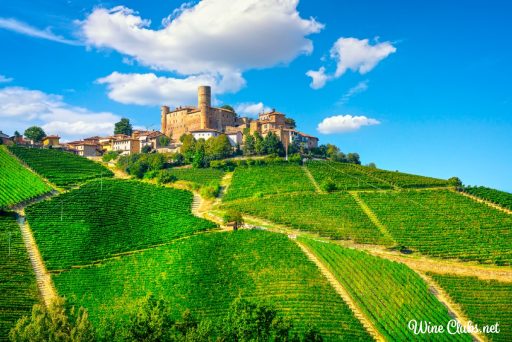
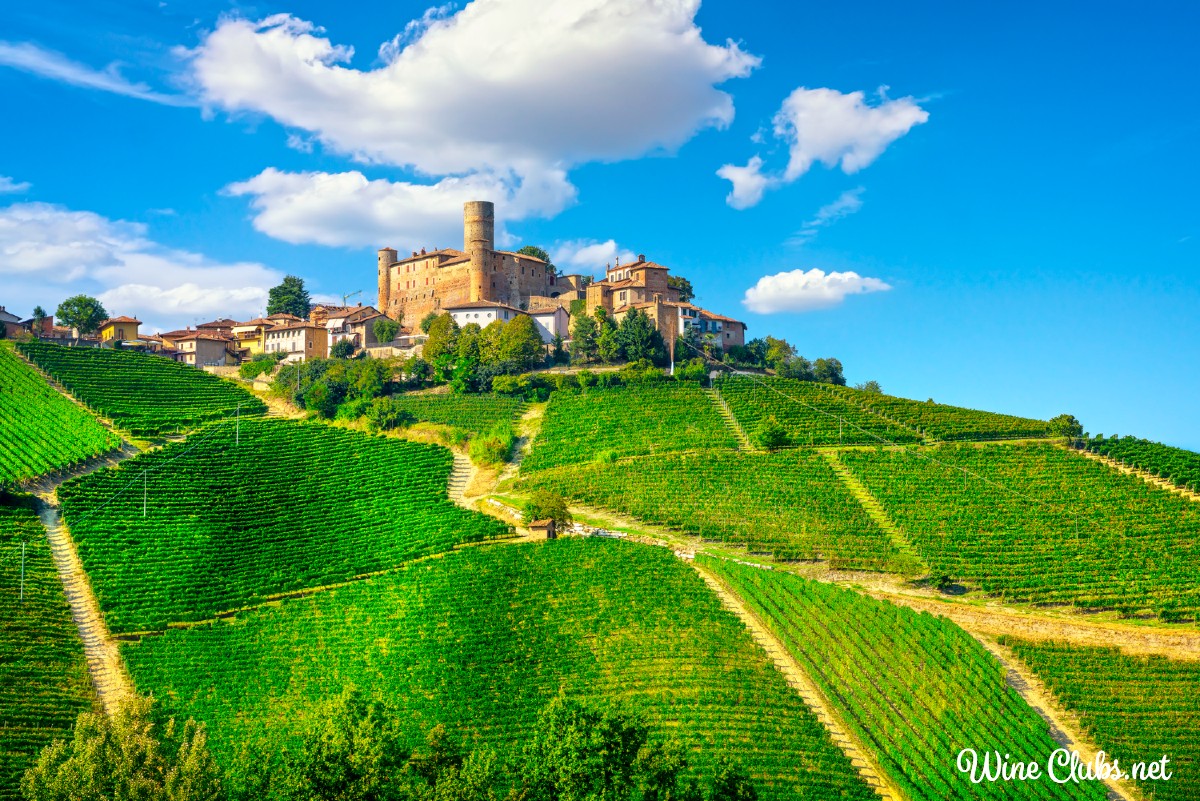
Italian wine clubs deliver curated selections from Italy’s legendary wine regions—from powerful Barolo and Brunello to classic Chianti Classico, rich Amarone, elegant Super Tuscans, and the remarkable diversity of indigenous Italian varietals found nowhere else on earth. Whether you’re passionate about Tuscan wines, Piedmont’s noble Nebbiolo, or exploring Italy’s twenty wine regions producing over 500 indigenous grape varieties, Italian wine club memberships connect you with exceptional wines that embody centuries of winemaking tradition, regional terroir, and the deep connection between Italian wine and cuisine. After reviewing over 150 wine clubs since 2002, we’ve identified the best Italian wine clubs that deliver outstanding quality, authentic Italian character, and genuine value for Italian wine enthusiasts.
What Makes an Italian Wine Club “Best”?
The best Italian wine clubs share these essential qualities:
- Authentic Italian sourcing from family estates and prestigious producers
- Regional diversity showcasing Piedmont, Tuscany, Veneto, Sicily, and beyond
- Expert curation by Italian wine specialists understanding terroir and tradition
- Indigenous varietals featuring Nebbiolo, Sangiovese, Corvina, Aglianico, and rare grapes
- Educational approach teaching Italian wine regions, classifications (DOCG, DOC), and food pairing
- Quality focus on wines expressing traditional Italian winemaking excellence
- Value proposition making premium Italian wines accessible
Bottom line: The best Italian wine clubs deliver wines that capture Italy’s soul—tradition, terroir, family heritage, and the inseparable connection between vino and cucina italiana.
Top 10 Best Italian Wine Clubs (2025)
1. Italian Wine Merchants – Club Selection
Best for: Comprehensive Italian wine exploration from premier importer
Rating: ⭐⭐⭐⭐⭐ (5/5)
Our Take: Italian Wine Merchants stands as our top choice for Italian wine enthusiasts seeking authentic, high-quality Italian wines from a specialist importer with deep Italian connections. As one of America’s premier Italian wine importers, they source directly from family estates, prestigious producers, and emerging winemakers across Italy’s twenty regions—offering unmatched breadth and depth in Italian wine discovery.
What sets Italian Wine Merchants apart is their expertise and direct relationships with Italian producers. They don’t just import wine—they champion Italian wine culture, educate American consumers, and maintain the quality and authenticity that makes Italian wine special. Their wine club delivers selections spanning from everyday regional wines to collectible Barolo and Brunello, all chosen by sommeliers who live and breathe Italian wine.
The club showcases Italy’s remarkable diversity: Piedmont’s Nebbiolo (Barolo, Barbaresco), Tuscany’s Sangiovese (Chianti Classico, Brunello di Montalcino, Vino Nobile), Veneto’s Corvina (Amarone, Valpolicella Ripasso), indigenous varietals from Sicily, Campania, Puglia, and everywhere Italian grapes grow. Educational materials teach Italian wine geography, classification systems (DOCG, DOC, IGT), and the philosophy that wine exists to accompany food—not to drink alone.
Wines: Comprehensive Italian selection from all twenty regions
Pricing: Multiple tiers from mid-range to premium ($80-200+/month)
Pros:
- Premier Italian wine importer expertise
- Direct relationships with Italian producers
- Remarkable regional diversity (all twenty regions)
- Indigenous varietals unavailable elsewhere
- Educational Italian wine focus
- Multiple club tiers for different budgets
- Collectible wines (Barolo, Brunello, Amarone)
- Everyday regional discoveries
- Support Italian family estates
- Authentic Italian wine culture
Cons:
- Italian wines only (country focus)
- Premium pricing for top selections
- Shipping from Italian importer
- May overwhelm beginners with diversity
Who should join: Serious Italian wine enthusiasts, collectors of Barolo and Brunello, explorers of Italian wine diversity, food pairing devotees, supporters of authentic Italian wine culture
—
2. Tuscany Wine Club – Chianti, Brunello, Super Tuscans
Best for: Tuscan wine focus – Sangiovese and Super Tuscans
Rating: ⭐⭐⭐⭐⭐ (5/5)
Our Take: Tuscany Wine Club specializes in Italy’s most famous wine region, delivering exceptional Tuscan wines from Chianti Classico’s rolling hills, Montalcino’s Brunello estates, Montepulciano’s Vino Nobile producers, and Bolgheri’s Super Tuscan pioneers. For lovers of Sangiovese and those captivated by Tuscany’s wine, art, and culture, this club provides deep exploration of one of the world’s most prestigious wine regions.
Tuscany produces Italy’s most internationally recognized wines—Chianti Classico with its distinctive black rooster symbol, Brunello di Montalcino (100% Sangiovese aged minimum five years), Vino Nobile di Montepulciano, and Super Tuscans that revolutionized Italian wine by blending international varietals with Tuscan terroir. The club showcases this diversity while educating about Tuscan sub-regions, aging requirements (Riserva, Gran Selezione), and what makes each zone special.
What makes Tuscan wine special is the combination of history, terroir, and innovation. These are wines from estates operating for centuries, using traditional methods while embracing modern techniques, creating Sangiovese-based wines with bright acidity, cherry fruit, earth and leather notes, and the structure to age gracefully for decades. The club features both established Tuscan names and emerging producers proving Tuscany’s continued evolution.
Wines: Tuscan wines – Chianti Classico, Brunello, Vino Nobile, Super Tuscans
Pricing: Premium tier ($90-150/month)
Pros:
- Focus on Italy’s most famous wine region
- Sangiovese excellence from source
- Chianti Classico, Brunello, Vino Nobile diversity
- Super Tuscan innovation
- Age-worthy collectible wines
- Educational Tuscan wine geography
- Perfect food pairing (Tuscan cuisine)
- Support historic Tuscan estates
- Explore Tuscan sub-regions deeply
Cons:
- Tuscany only (regional focus)
- Premium Tuscan pricing
- Heavy Sangiovese focus (limited varietal diversity)
- Best appreciated with food
- Some wines need aging
Who should join: Tuscany lovers, Sangiovese enthusiasts, collectors of Brunello and Super Tuscans, Italian food and wine devotees, Chianti Classico fans
—
3. Piedmont Wine Club – Barolo, Barbaresco, Nebbiolo
Best for: Nebbiolo wines from Italy’s premier red wine region
Rating: ⭐⭐⭐⭐⭐ (5/5)
Our Take: Piedmont Wine Club delivers wines from Italy’s most prestigious red wine region—home to Barolo (“King of Wines”), Barbaresco (“Queen of Wines”), and other Nebbiolo expressions that represent Italian wine’s aristocracy. For serious wine collectors and Nebbiolo devotees, Piedmont produces Italy’s most age-worthy, complex, and terroir-expressive wines from this noble varietal that thrives nowhere else on earth with such magnificence.
Piedmont’s Langhe hills produce Nebbiolo of extraordinary complexity—wines with rose petal and tar aromatics, bright acidity, powerful tannins, and the ability to age 20-50+ years while developing incredible tertiary complexity. Barolo (from villages like Barolo, La Morra, Serralunga) and Barbaresco (from villages like Barbaresco, Neive, Treiso) showcase how different vineyard sites express Nebbiolo’s character through soil and exposition differences.
The club educates about Piedmont’s classification system, MGA (Menzioni Geografiche Aggiuntive) vineyard designations, traditional vs. modern Barolo styles, and why Nebbiolo demands patience—these wines taste best with 10-15+ years age, transforming from tannic and closed to ethereal and complex. You’ll also discover Piedmont’s other treasures: Barbera (bright acidity, everyday drinking), Dolcetto (fruity, approachable), and white wines like Arneis and Gavi.
Wines: Piedmont Nebbiolo (Barolo, Barbaresco), Barbera, Dolcetto, whites
Pricing: Premium to luxury ($100-200+/month)
Pros:
- Italy’s most prestigious red wine region
- Barolo and Barbaresco excellence
- Nebbiolo from the source
- Age-worthy collectible wines
- Educational vineyard site focus (MGA)
- Traditional and modern styles
- Support historic Piedmont estates
- Explore single-vineyard expressions
- Investment-grade wines
Cons:
- Piedmont only (regional focus)
- Premium to luxury pricing
- Wines require aging for optimal enjoyment
- Nebbiolo’s tannins challenging for some
- Best appreciated by serious wine enthusiasts
Who should join: Barolo and Barbaresco collectors, Nebbiolo enthusiasts, serious Italian wine lovers, those with cellars for aging, wine investors
—
4. Veneto Wine Club – Amarone, Valpolicella, Soave
Best for: Venetian wines featuring Amarone and Valpolicella
Rating: ⭐⭐⭐⭐ (4/5)
Our Take: Veneto Wine Club showcases northeastern Italy’s diverse wine production—from powerful Amarone della Valpolicella (Italy’s most distinctive red wine) to classic Valpolicella, elegant Soave whites, and sparkling Prosecco. Veneto produces wines spanning from everyday drinking to collectible Amarone that ages for decades, all expressing the region’s unique winemaking traditions including the ancient appassimento (grape-drying) technique.
Amarone represents one of wine’s most unique expressions—grapes dried for 3-4 months before fermentation, concentrating sugars and flavors, creating powerful wines (15-16% alcohol) with raisin, chocolate, and spice notes. Valpolicella Ripasso uses similar techniques in modified form, creating medium-bodied reds with Amarone character at more accessible prices. The club also features Soave (Garganega-based whites with almond and mineral notes) and other Venetian specialties.
What makes Veneto special is winemaking diversity—from ancient techniques (appassimento dating to Roman times) to modern innovations, from light and fresh to powerful and age-worthy, all within one region. The club educates about these techniques, Veneto’s sub-zones, and why Amarone commands premium prices while offering exceptional quality and uniqueness.
Wines: Veneto wines – Amarone, Valpolicella, Ripasso, Soave, Prosecco
Pricing: Mid to premium range ($75-130/month)
Pros:
- Focus on Amarone (Italy’s most unique wine)
- Appassimento technique education
- Valpolicella and Ripasso variety
- Soave white wine excellence
- Age-worthy Amarone (collectible)
- Traditional winemaking methods
- Support historic Venetian estates
- Diverse styles within one region
- Good value for Amarone quality
Cons:
- Veneto only (regional focus)
- Amarone’s power not for everyone
- Premium pricing for top Amarone
- May focus heavily on reds
- Appassimento style distinctive (not typical Italian wine)
Who should join: Amarone enthusiasts, lovers of powerful Italian reds, Venetian wine explorers, collectors of age-worthy wines, those appreciating unique winemaking traditions
—
5. Southern Italian Wine Club – Sicily, Campania, Puglia
Best for: Southern Italian wines and indigenous varietals
Rating: ⭐⭐⭐⭐⭐ (5/5)
Our Take: Southern Italian Wine Club delivers exceptional wines from Italy’s sun-drenched south—Sicily’s diverse terroir producing everything from Mount Etna’s elegant Nerello Mascalese to powerful Nero d’Avola, Campania’s ancient varietals (Aglianico, Fiano, Greco di Tufo), and Puglia’s Primitivo and indigenous grapes. Southern Italy represents Italian wine’s most exciting frontier—regions rediscovering ancient varietals, passionate young winemakers, and extraordinary quality at remarkable value.
Southern Italy was historically dismissed as bulk wine country, but the past 20 years brought a quality revolution. Winemakers invested in vineyards, reduced yields, embraced indigenous varietals, and proved southern Italy produces world-class wines expressing unique terroir. Sicily’s Mount Etna (volcanic soils producing elegant, mineral reds and whites), Campania’s Taurasi (Aglianico rivals Barolo in age-worthiness), and Puglia’s value-priced excellence showcase southern potential.
What makes southern Italian wines special is authenticity and value—indigenous varietals found nowhere else, traditional winemaking preserved through generations, distinctive regional character, and prices far below comparable northern Italian wines. The club educates about southern Italy’s diversity, ancient winemaking history, and why these regions deserve serious attention from wine enthusiasts.
Wines: Southern Italian wines from Sicily, Campania, Puglia, Calabria, Basilicata
Pricing: Mid-range ($65-100/month), exceptional value
Pros:
- Exceptional value for quality
- Indigenous varietals (Aglianico, Nero d’Avola, Fiano, etc.)
- Mount Etna volcanic terroir
- Ancient winemaking traditions
- Support southern Italian quality revolution
- Educational focus on emerging regions
- Age-worthy wines (Taurasi, Etna reds)
- Discover underrated Italian regions
- Authentic regional character
Cons:
- Southern Italy only (regional focus)
- Indigenous varietals unfamiliar to many
- Less established reputation than Tuscany/Piedmont
- Variable quality across diverse regions
- Some wines very distinctive (acquired taste)
Who should join: Value-conscious Italian wine lovers, explorers of indigenous varietals, supporters of emerging Italian wine regions, Mount Etna enthusiasts, adventurous wine drinkers
—
6. Super Tuscan Wine Club
Best for: Super Tuscans and innovative Italian wines
Rating: ⭐⭐⭐⭐ (4/5)
Our Take: Super Tuscan Wine Club focuses on the wines that revolutionized Italian winemaking—Super Tuscans that broke tradition by blending international varietals (Cabernet Sauvignon, Merlot, Syrah) with Sangiovese or crafting 100% international varietal wines outside DOC regulations. These iconoclastic wines (Sassicaia, Ornellaia, Tignanello, Masseto) proved Italian terroir could produce world-class wines using any grapes, not just traditional Italian varietals.
Super Tuscans emerged in the 1970s when pioneering producers rejected restrictive DOC rules limiting grape varieties and winemaking techniques. By using Bordeaux varietals and French oak barrels, they created wines rivaling First Growth Bordeaux—powerful, structured, age-worthy, and commanding premium prices. The movement transformed Italian wine from traditional to innovative, provincial to international.
The club showcases both legendary Super Tuscans (often allocated and hard to find) and emerging producers crafting innovative blends. You’ll learn about the Super Tuscan revolution, Bolgheri’s emergence as premium wine zone, and how these wines balance international sophistication with Italian terroir expression. These are collectible wines that age beautifully for 15-30+ years.
Wines: Super Tuscans – Bordeaux blends, Cabernet, Merlot, innovative Italian wines
Pricing: Premium to luxury ($120-250+/month)
Pros:
- Iconic Super Tuscan wines
- World-class quality rivaling Bordeaux
- Age-worthy collectible wines
- Educational wine revolution history
- Access to allocated wines
- Bolgheri and coastal Tuscany focus
- Investment-grade wines
- Innovative Italian winemaking
Cons:
- Super Tuscans only (style focus)
- Premium to luxury pricing
- International varietals vs. Italian tradition
- May lack indigenous Italian character
- Best for serious collectors
Who should join: Super Tuscan collectors, lovers of Bordeaux-style blends, wine investors, those appreciating innovative Italian winemaking, Sassicaia and Ornellaia fans
—
7. Italian White Wine Club
Best for: Italian white wine diversity
Rating: ⭐⭐⭐⭐ (4/5)
Our Take: Italian White Wine Club showcases Italy’s remarkable white wine diversity—from crisp Pinot Grigio in Alto Adige and mineral Soave in Veneto to rich Fiano and Greco di Tufo in Campania, elegant Gavi in Piedmont, distinctive Verdicchio in Marche, and indigenous white varietals from every Italian region. Italy produces white wines most Americans never encounter, moving far beyond mass-produced Pinot Grigio to artisan wines from family estates.
Italian whites emphasize food pairing over solo drinking—high acidity, moderate alcohol, savory characteristics, and regional distinctiveness make them perfect for Italian cuisine. The club features northern Italian whites (Alto Adige’s alpine-influenced elegance, Friuli’s serious Pinot Grigio and indigenous varietals), central Italian specialties (Verdicchio, Orvieto), and southern treasures (Campania’s Fiano and Greco, Sicily’s Grillo and Carricante from Mount Etna).
What makes Italian whites special is authenticity—indigenous grapes expressing regional terroir, traditional winemaking methods, centuries of viticulture experience, and prices offering exceptional value. The club educates about Italian white wine regions, varietals found nowhere else, and the philosophy that white wine exists to accompany seafood, risotto, and Italian antipasti.
Wines: Italian white wines from all regions – Pinot Grigio, Soave, Gavi, Fiano, Greco, Verdicchio, etc.
Pricing: Mid-range ($60-95/month)
Pros:
- Incredible Italian white wine diversity
- Indigenous varietals unavailable elsewhere
- Food-pairing perfection
- Educational regional Italian focus
- Artisan quality vs. mass-produced
- Good value for quality
- Discover lesser-known Italian whites
- Support Italian family estates
- Perfect for seafood and Italian cuisine
Cons:
- Italian whites only (category focus)
- May require food pairing to fully appreciate
- Indigenous varietals unfamiliar
- Less premium/collectible whites
- Style different from California Chardonnay
Who should join: Italian white wine enthusiasts, seafood lovers, Italian cuisine aficionados, explorers of indigenous varietals, value-seeking white wine drinkers
—
8. Brunello di Montalcino Club
Best for: Brunello di Montalcino specialists
Rating: ⭐⭐⭐⭐⭐ (5/5)
Our Take: Brunello di Montalcino Club specializes in one of Italy’s greatest wines—100% Sangiovese from Montalcino’s hills producing wines of extraordinary power, elegance, and aging potential. Brunello requires minimum five years aging (two in oak barrels) before release, creating wines with structure and complexity that improve for decades. For Brunello collectors and lovers of age-worthy Italian wines, this club provides deep exploration of Montalcino’s finest producers.
Brunello di Montalcino represents Sangiovese’s ultimate expression—larger berries, thicker skins, and Montalcino’s unique terroir create wines more powerful and structured than Chianti while maintaining Sangiovese’s bright acidity and cherry fruit character. The best Brunellos age 20-40+ years, developing tertiary complexity rivaling Barolo and Burgundy. The club features both established estates (Biondi-Santi, Banfi, Soldera) and emerging producers.
What makes Brunello special is consistency and prestige—DOCG regulations ensure quality, extended aging requirements guarantee wines are ready to drink (though further cellaring improves them), and international recognition commands premium prices justified by exceptional quality. The club educates about Montalcino’s sub-zones, vintage variation, and Brunello vs. Rosso di Montalcino (the region’s earlier-drinking wine).
Wines: Brunello di Montalcino and Rosso di Montalcino
Pricing: Premium to luxury ($130-250+/month)
Pros:
- Focus on one of Italy’s greatest wines
- 100% Sangiovese excellence
- Age-worthy collectible wines (20-40+ years)
- Prestigious DOCG quality guarantee
- Educational Montalcino terroir focus
- Established and emerging producers
- Investment-grade wines
- Rosso di Montalcino earlier-drinking options
- Support historic Tuscan estates
Cons:
- Brunello only (single wine focus)
- Premium to luxury pricing
- Wines require cellaring for optimal enjoyment
- Limited to Montalcino region
- Best for serious collectors
Who should join: Brunello collectors, Sangiovese enthusiasts, lovers of age-worthy Italian wines, wine investors, those with proper cellaring conditions
—
9. Italian Sparkling Wine Club – Prosecco, Franciacorta, Lambrusco
Best for: Italian sparkling wines and Prosecco
Rating: ⭐⭐⭐⭐ (4/5)
Our Take: Italian Sparkling Wine Club delivers Italy’s diverse sparkling wine production—from crisp, affordable Prosecco to sophisticated Franciacorta (Italy’s Champagne-method answer to French sparklers), lightly sparkling Lambrusco, and regional specialties like Asti and Trento DOC. Italy produces more sparkling wine than any country except France, offering remarkable quality at accessible prices.
Prosecco from Veneto’s Valdobbiadene and Conegliano zones provides refreshing, fruit-forward sparklers perfect for aperitivo and casual celebrations. Franciacorta from Lombardy uses traditional Champagne methods, extended aging, and Chardonnay/Pinot Noir to create sophisticated sparklers rivaling Champagne at lower prices. Lambrusco from Emilia-Romagna offers lightly sparkling reds perfect with charcuterie and rich foods.
The club educates about Italian sparkling wine diversity, production methods (tank-fermented Prosecco vs. bottle-fermented Franciacorta), quality levels (Prosecco Superiore DOCG vs. DOC), and food pairing versatility. These are wines that prove sparkling wine isn’t just for special occasions—it’s for everyday Italian life, from morning cappuccino to evening aperitivo.
Wines: Italian sparkling wines – Prosecco, Franciacorta, Lambrusco, Asti, Trento DOC
Pricing: Mid-range ($65-110/month)
Pros:
- Italian sparkling wine diversity
- Prosecco for casual celebrations
- Franciacorta sophistication
- Lambrusco food-pairing perfection
- Educational sparkling wine methods
- Excellent value vs. Champagne
- Perfect for aperitivo culture
- Discover lesser-known Italian sparklers
- Support Italian sparkling producers
Cons:
- Italian sparkling only (category focus)
- Prosecco quality varies widely
- Less prestigious than Champagne
- May focus heavily on Prosecco
- Sparkling wines drink young (less cellaring)
Who should join: Prosecco lovers, sparkling wine enthusiasts, Italian aperitivo culture appreciators, value-conscious sparkler seekers, everyday celebration wine drinkers
—
10. Comprehensive Italian Wine Discovery Club
Best for: Maximum Italian wine diversity and education
Rating: ⭐⭐⭐⭐ (4/5)
Our Take: Comprehensive Italian Wine Discovery Club delivers wines from across Italy’s twenty regions, showcasing the incredible diversity that makes Italian wine endlessly fascinating—from Alpine whites in Alto Adige to volcanic wines from Sicily’s Mount Etna, from Nebbiolo in Piedmont to Primitivo in Puglia. This educational approach teaches Italian wine geography, indigenous varietals, and regional winemaking traditions through monthly discoveries.
Italy produces more wine diversity than any country—over 500 indigenous grape varieties, twenty wine regions with distinct climates and terroirs, winemaking traditions dating back millennia, and styles spanning from light and fresh to powerful and age-worthy. The club’s strength lies in comparative education—tasting Sangiovese from different Tuscan zones, comparing northern and southern Italian whites, understanding how terroir affects the same varietal.
What makes this club valuable is breadth rather than depth—you’re building comprehensive Italian wine knowledge rather than specializing in Tuscany or Piedmont. Each month brings new regions, varietals, and producers, creating a wine education that covers Italian wine’s full spectrum. Perfect for explorers and those beginning their Italian wine journey.
Wines: Comprehensive Italian selection from all twenty regions
Pricing: Mid-range ($70-110/month)
Pros:
- Maximum Italian wine diversity
- Educational regional exploration
- All twenty Italian wine regions
- Indigenous varietal discovery
- Compare different Italian terroirs
- Build comprehensive Italian wine knowledge
- Discover lesser-known regions
- Support diverse Italian producers
- Perfect for Italian wine education
Cons:
- Less depth in any single region
- Variable styles month-to-month
- May prefer regional focus
- Quality varies across diverse selections
- Can be overwhelming for beginners
Who should join: Italian wine explorers, those building Italian wine knowledge, comparative learners, adventurous wine drinkers, Italy travel enthusiasts
—
Understanding Italian Wine Regions
Piedmont – Noble Nebbiolo and Barbera
Location: Northwestern Italy, foothills of the Alps
Climate: Continental with Alpine influence, fog (nebbia) in fall
Key Wines:
- Barolo DOCG: 100% Nebbiolo, powerful, tannic, age-worthy (15-50+ years), rose and tar aromatics
- Barbaresco DOCG: 100% Nebbiolo, elegant, refined, ages 10-30+ years
- Barbera d’Alba/d’Asti: Bright acidity, cherry fruit, food-friendly, everyday drinking
- Dolcetto: Fruity, approachable, low acidity, “little sweet one”
- Gavi DOCG: White wine from Cortese, crisp, mineral, almond notes
- Roero Arneis: Aromatic white, stone fruit, floral
Food Pairing: Truffles (white and black), brasato (braised beef), tajarin pasta, risotto, aged cheeses
Characteristics: Italy’s most prestigious red wine region, noble Nebbiolo, traditional winemaking, serious aging potential
—
Tuscany – Sangiovese Kingdom
Location: Central Italy, rolling hills and medieval towns
Climate: Mediterranean with continental influence
Key Wines:
- Chianti Classico DOCG: Sangiovese-based, bright acidity, cherry, earth, black rooster symbol
- Brunello di Montalcino DOCG: 100% Sangiovese, powerful, age-worthy (20-40+ years)
- Vino Nobile di Montepulciano DOCG: Sangiovese (Prugnolo Gentile), elegant, structured
- Super Tuscans: Bordeaux blends or international varietals, innovative, premium
- Vernaccia di San Gimignano DOCG: White wine, crisp, almond notes
Food Pairing: Bistecca alla Fiorentina (T-bone steak), pappardelle with wild boar, pecorino cheese, ribollita soup
Characteristics: Italy’s most famous wine region, Sangiovese excellence, tradition and innovation, iconic wines
—
Veneto – Amarone and Prosecco
Location: Northeastern Italy, Venice region
Climate: Moderate continental with Alpine and Adriatic influences
Key Wines:
- Amarone della Valpolicella DOCG: Dried grape wine (appassimento), powerful (15-16% alcohol), raisin and chocolate
- Valpolicella DOC/Classico: Light to medium red, cherry, easy-drinking
- Valpolicella Ripasso DOC: Re-fermented on Amarone lees, medium-bodied, value-priced Amarone character
- Soave DOC/Classico: White wine from Garganega, mineral, almond, crisp
- Prosecco DOC/DOCG: Sparkling wine, fruity, refreshing, aperitivo perfect
Food Pairing: Risotto (especially with radicchio), polenta, aged cheeses, seafood from Venice, salumi
Characteristics: Unique appassimento technique, diverse styles, Prosecco capital, value and prestige wines
—
Sicily – Volcanic Wines and Indigenous Varietals
Location: Island off Italy’s southern tip
Climate: Mediterranean with volcanic influence (Mount Etna)
Key Wines:
- Etna Rosso DOC: Nerello Mascalese, elegant, volcanic minerality, Burgundy-like
- Etna Bianco DOC: Carricante, mineral, citrus, volcanic soils
- Nero d’Avola: Sicily’s signature red, dark fruit, structured, powerful
- Grillo: White wine, crisp, tropical fruit, food-friendly
- Marsala DOC: Fortified wine, sherry-like, cooking and sipping
Food Pairing: Seafood (swordfish, tuna), caponata, pasta alla Norma, arancini, cannoli
Characteristics: Volcanic terroir (Mount Etna), ancient indigenous varietals, quality revolution, exceptional value
—
Campania – Ancient Varietals
Location: Southern Italy, Naples region
Climate: Mediterranean coastal and volcanic influence
Key Wines:
- Taurasi DOCG: 100% Aglianico, powerful, tannic, age-worthy (15-30+ years), “Barolo of the South”
- Fiano di Avellino DOCG: White wine, rich, honeyed, mineral, food-friendly
- Greco di Tufo DOCG: White wine, crisp, citrus, volcanic minerality
- Aglianico del Taburno DOC: Structured red, dark fruit, tannins
Food Pairing: Pizza (Neapolitan), mozzarella di bufala, seafood from Amalfi Coast, eggplant parmigiana
Characteristics: Ancient indigenous varietals, volcanic soils, age-worthy reds and distinctive whites
—
Italian Wine Classification System
DOCG (Denominazione di Origine Controllata e Garantita)
Meaning: “Controlled and Guaranteed Designation of Origin” – Italy’s highest classification
Requirements:
- Strictest regulations on grape varieties, vineyard locations, yields, winemaking methods, and aging
- Wines must pass chemical analysis and tasting panel
- Government seal on bottle neck guarantees authenticity
- Only awarded to wines of exceptional quality and reputation
Examples: Barolo, Barbaresco, Brunello di Montalcino, Chianti Classico, Amarone della Valpolicella, Taurasi
What it means: Premium quality guarantee, traditional production, specific terroir, Italy’s finest wines
—
DOC (Denominazione di Origine Controllata)
Meaning: “Controlled Designation of Origin” – second tier of Italian wine classification
Requirements:
- Regulations on grape varieties, vineyard locations, yields, and production methods
- Less strict than DOCG but still quality-controlled
- Covers broader geographic areas than DOCG
- Most Italian quality wines fall into this category
Examples: Valpolicella, Soave, Barbera d’Alba, Chianti (non-Classico), Dolcetto d’Alba
What it means: Quality wines from specific regions, reliable production standards, good value
—
IGT (Indicazione Geografica Tipica)
Meaning: “Typical Geographic Indication” – regional wine designation
Requirements:
- Looser regulations than DOC/DOCG
- Allows more flexibility in grape varieties and winemaking
- Wines must come from specified region
- Enables innovation outside traditional rules
Examples: Many Super Tuscans (Toscana IGT), innovative wines using non-traditional grapes
What it means: Can include exceptional wines that don’t conform to DOC/DOCG rules, innovative winemaking
—
Vino (Formerly Vino da Tavola)
Meaning: Table wine with minimal regulations
What it means: Basic quality wines, though some exceptional wines initially classified here before regulations changed
—
Italian Wine and Food Pairing Principles
Why Italian Wine Excels with Food
Italian wines are designed for food pairing—not solo sipping:
- High acidity: Cuts through rich, fatty foods (olive oil, cheese, cured meats)
- Moderate alcohol: Doesn’t overwhelm food flavors (typically 12.5-14%)
- Savory notes: Earth, herbs, minerality complement savory Italian cuisine
- Structured tannins: Red wine tannins soften with protein and fat
- Regional synergy: Wines evolved alongside regional cuisine over centuries
Classic Italian Wine and Food Pairings
Barolo or Barbaresco:
- White truffles (autumn luxury)
- Brasato al Barolo (beef braised in Barolo)
- Tajarin pasta with butter and sage
- Aged Parmigiano-Reggiano
Chianti Classico:
- Bistecca alla Fiorentina (Tuscan T-bone)
- Pasta with tomato-based sauces
- Pecorino Toscano cheese
- Wild boar ragu
Brunello di Montalcino:
- Grilled lamb chops
- Pappardelle with wild boar
- Aged pecorino cheese
- Osso buco
Amarone della Valpolicella:
- Braised meats and game
- Rich risotto with radicchio
- Aged hard cheeses (Parmigiano, aged Asiago)
- Chocolate desserts (unusual red wine pairing)
Prosecco:
- Aperitivo time with light appetizers
- Prosciutto and melon
- Fried foods (suppli, arancini)
- Seafood risotto
Soave:
- Grilled fish with herbs
- Risotto with asparagus
- Fresh mozzarella and tomatoes
- Almonds and light cheeses
Regional Pairing Philosophy
“What grows together, goes together” – Italian proverb
Pair wines with cuisine from the same region:
- Piedmont wine + Piedmont food: Barolo with white truffles, Barbera with brasato
- Tuscan wine + Tuscan food: Chianti Classico with bistecca, Brunello with wild boar
- Venetian wine + Venetian food: Valpolicella with polenta, Soave with seafood
- Sicilian wine + Sicilian food: Etna Rosso with swordfish, Nero d’Avola with pasta alla Norma
This principle works because wines and foods evolved together over centuries, creating natural harmony.
—
Italian Wine Club FAQs
Q: What’s the best Italian wine club for beginners?
A: Comprehensive Italian Wine Discovery Club offers maximum diversity and education, perfect for learning Italian wine regions and varietals. Tuscany Wine Club provides focused exploration of Italy’s most famous region with familiar wines (Chianti, Brunello).
Q: Are Italian wines more expensive than California wines?
A: Not necessarily. While prestigious Italian wines (Barolo, Brunello, Super Tuscans) command premium prices, many Italian wines offer exceptional value—southern Italian wines, regional specialties, and even quality Chianti cost less than comparable California wines. Italian wine clubs often deliver better quality-to-price ratios than domestic clubs.
Q: Can Italian wines age as long as French wines?
A: Absolutely! Barolo and Barbaresco age 20-50+ years, Brunello 20-40+ years, Taurasi 15-30+ years, and top Amarone 15-30+ years. These wines develop extraordinary complexity rivaling aged Bordeaux and Burgundy. Italian wines require patience but reward cellaring magnificently.
Q: What does DOCG mean on Italian wine labels?
A: DOCG (Denominazione di Origine Controllata e Garantita) is Italy’s highest wine classification, guaranteeing strict quality controls, traditional production methods, and specific terroir. Wines like Barolo, Brunello, Chianti Classico, and Amarone carry DOCG designation. It’s Italy’s quality seal indicating premium wines.
Q: Should I decant Italian wines?
A: Young Italian wines with powerful tannins (Barolo, Brunello, Amarone, Taurasi) benefit from 1-2 hours decanting to soften tannins and open aromatics. Older wines (15+ years) should be decanted gently to separate sediment but served immediately. Lighter Italian wines (Barbera, Dolcetto, most whites) don’t require decanting.
Q: What’s the difference between Chianti and Chianti Classico?
A: Chianti Classico DOCG comes from the historic heartland between Florence and Siena (black rooster symbol), with stricter regulations and higher quality standards. Regular Chianti DOC covers broader geographic areas with more lenient rules. Chianti Classico generally offers superior quality, aging potential, and traditional character.
Q: Why are Super Tuscans called “Super Tuscans”?
A: Super Tuscans emerged when innovative winemakers in the 1970s broke DOC rules by using international varietals (Cabernet, Merlot) or non-traditional winemaking. Despite being classified as basic “table wine” (now IGT), these wines achieved “super” quality and prices, earning the nickname. They revolutionized Italian wine by proving quality trumps regulations.
Q: Are all Italian wines meant to be paired with food?
A: Italian wine culture emphasizes food pairing—wines evolved alongside regional cuisine with high acidity, moderate alcohol, and savory notes designed to complement food. While you can enjoy Italian wines solo, they truly shine at the table. This food-centric philosophy makes Italian wines incredibly versatile for dining.
Q: What temperature should I serve Italian red wines?
A: Serve lighter Italian reds (Valpolicella, Dolcetto, Barbera) slightly cool (60-65°F). Medium-bodied reds (Chianti Classico) at 62-65°F. Full-bodied wines (Barolo, Brunello, Amarone) at 63-67°F. Never serve Italian reds at room temperature (too warm)—refrigerate 15-30 minutes before serving.
Q: Can I cellar Italian wines from wine clubs?
A: Yes! Premium Italian wine clubs feature age-worthy selections: Barolo, Barbaresco, Brunello, Taurasi, top Amarone, and Chianti Classico Riserva all improve with 10-30+ years cellaring. Budget clubs deliver drink-now wines. Ask your club about aging potential—many Italian wines require patience but reward cellaring spectacularly.
Explore More Wine Club Reviews
Interested in other wine club options? Check out our comprehensive guides:
- Best Wine Clubs → Our top-rated wine subscriptions across all categories
- Best Red Wine Clubs → Explore red wine subscriptions
- Best White Wine Clubs → White wine subscriptions reviewed
- All Wine Club Reviews → Browse our complete review library
Start Your Italian Wine Journey
Italian wine clubs connect you with wines from one of the world’s most diverse and historically significant wine countries—from Piedmont’s noble Barolo and Tuscany’s classic Chianti to Sicily’s volcanic Etna wines and Campania’s ancient varietals. Whether you’re passionate about specific Italian regions (Tuscany, Piedmont, Veneto), collecting age-worthy Italian wines (Barolo, Brunello, Amarone), or exploring Italy’s incredible diversity of indigenous grapes and winemaking traditions, Italian wine club memberships deliver exceptional wines that honor centuries of Italian wine culture.
The best Italian wine club for you depends on your regional interests (single region vs. comprehensive Italy), wine style preferences (Nebbiolo vs. Sangiovese vs. indigenous varietals), budget (everyday regional wines vs. collectible Barolo), and wine knowledge level (focused education vs. broad exploration). Start with clubs offering satisfaction guarantees and expert Italian wine curation, allowing you to discover Italian wines with confidence while building knowledge of this endlessly fascinating wine country.
Italian wine represents more than fermented grape juice—it embodies regional identity, family heritage, culinary tradition, and the Italian philosophy that wine and food are inseparable. From ancient Roman viticulture to medieval monastery winemaking to today’s quality revolution, Italian wine tells stories of place, people, and passion. Wine clubs make discovering these stories convenient, educational, and delicious—one bottle at a time.
Ready to discover exceptional Italian wines? Choose a club from our top 10 and start your Italian wine journey today! Salute! 🍷🇮🇹
Related Resources
Best Wine Clubs – Top-rated wine subscriptions across all categories
Best Red Wine Clubs – Explore red wine subscriptions including Italian reds
Best White Wine Clubs – White wine subscriptions including Italian whites
Wine Club Reviews – Complete library of honest wine club reviews
Wine Tasting Guides – Visit Italian wine regions
Tuscany Wine Tasting – Explore Chianti Classico and Brunello country
Best Italian Wine Clubs: Discover Authentic Wines from Italy’s Premier Regions
Italy’s wine landscape is nothing short of extraordinary. With over 20 distinct wine regions stretching from the Alpine vineyards of Alto Adige to the sun-drenched volcanic soils of Sicily, Italian winemaking represents one of the world’s most diverse and sophisticated wine cultures. From 800+ indigenous grape varieties to centuries-old winemaking traditions, Italy produces wines in virtually every style imaginable.
Whether you’re drawn to the elegant Barolos of Piedmont, the crisp Pinot Grigios of Veneto, the robust Chiantis of Tuscany, or the volcanic wines of Mount Etna, Italian wine offers an endless journey of discovery. Each region tells its own story through unique terroir, traditional techniques, and passionate family winemakers who have perfected their craft over generations.
However, finding authentic Italian wines in the United States can be challenging. Many imported Italian wines are mass-produced specifically for American tastes, often missing the true character and complexity that make Italian wines so special. That’s where specialized Italian wine clubs become invaluable—they provide direct access to small-production, authentic wines that represent the real spirit of Italian winemaking.
At WineClubs.net, we’ve extensively researched and tested Italian wine subscription services to help you discover the most authentic and exceptional Italian wines available. Our recommendations focus on clubs that prioritize quality, authenticity, and education, ensuring you experience Italian wine as it’s meant to be.
Our Top Recommended Italian Wine Club
Roscioli Italian Wine Club – Our #1 Choice for Authentic Italian Wines
After testing numerous Italian wine subscription services, we can confidently say that Roscioli Italian Wine Club stands in a class of its own. Operated by the legendary Rimessa Roscioli—a renowned wine bar and restaurant in the heart of Rome—this wine club offers an unparalleled window into authentic Italian wine culture. Read our full Roscioli Wine Club Review.
Learn More at https://www.roscioliwineclub.com/
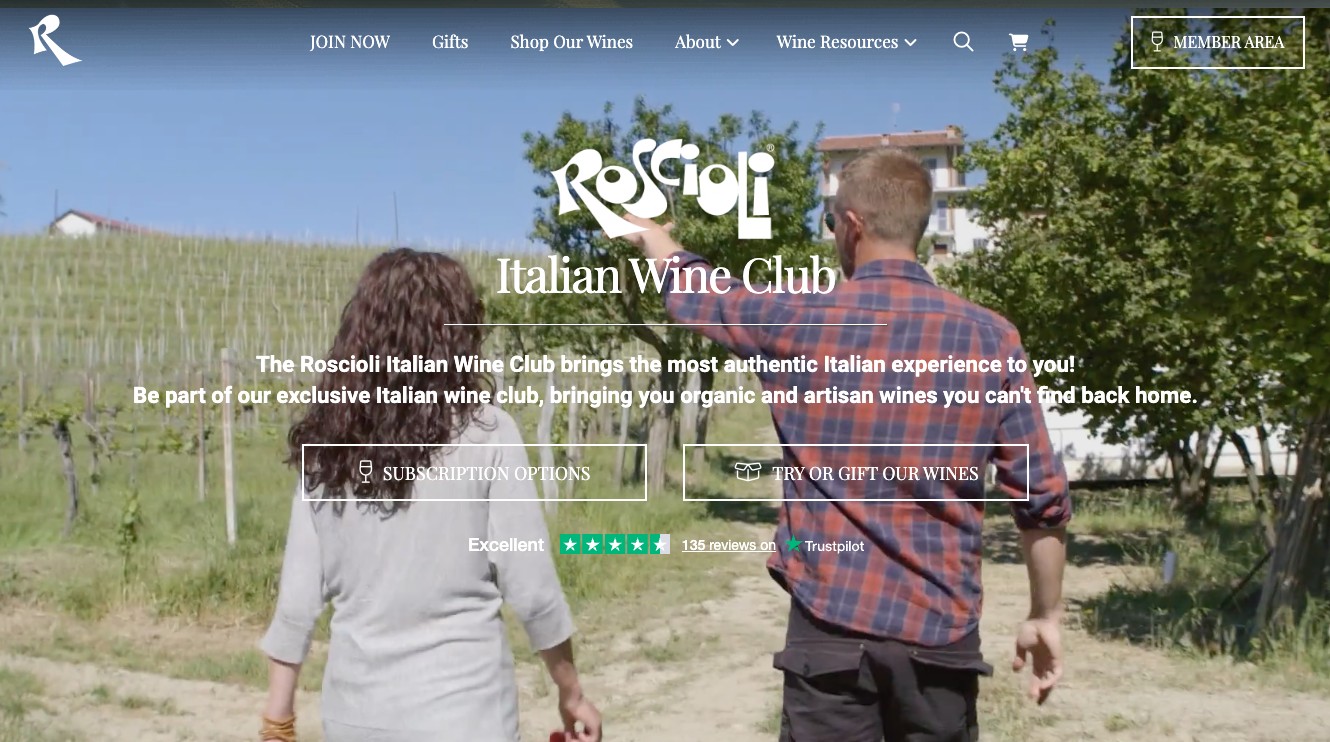
What Makes Roscioli Exceptional:
Authentic Italian Curation: Every wine in your shipment comes directly from small, family-owned wineries across Italy. These aren’t wines designed for mass export—they’re the bottles that Italian wine lovers drink at home, representing the true character of their respective regions.
Exclusive Access: The vast majority of Roscioli’s selections are unavailable through any other U.S. retailer. You’re getting access to wines that would otherwise require a trip to Italy to discover.
Expert Storytelling: Each wine comes with detailed information about the winery, the winemaking family, and the specific region. Roscioli has built an impressive library of winemaker videos that provide intimate insights into each producer’s philosophy and techniques.
Educational Focus: Beyond just shipping wine, Roscioli fosters a community of Italian wine enthusiasts. Their online platform connects members with fellow wine lovers and provides ongoing education about Italian wine regions, grape varieties, and food pairings.
Exceptional Customer Service: The team at Roscioli brings the same hospitality they’re known for in their Rome location to their wine club, providing personalized service and genuine passion for sharing Italian wine culture.
Perfect For:
- Wine enthusiasts seeking authentic Italian experiences
- Collectors looking for unique, hard-to-find bottles
- Anyone interested in learning about Italian wine culture
- Gift-givers who want to share something truly special
- Wine lovers who appreciate the stories behind their bottles
Why We Recommend Roscioli:
What sets Roscioli apart is their commitment to authenticity and education. This isn’t just a wine subscription—it’s a cultural experience that connects you directly with Italy’s winemaking heritage. Every shipment feels like a carefully curated journey through Italy’s diverse wine regions, guided by experts who live and breathe Italian wine culture.
The quality consistently exceeds expectations, with each bottle representing exceptional value for wines of this caliber and exclusivity. Whether you’re a seasoned Italian wine enthusiast or just beginning to explore beyond the typical imports, Roscioli provides an unmatched gateway to discovering what Italian wine is truly about.
Ready to start your authentic Italian wine journey? Read our complete Roscioli Italian Wine Club review for detailed insights, pricing information, and member experiences.
Expert Tip: Italian wine clubs like Roscioli are particularly excellent for gifts. The educational component and exclusive access to authentic wines create a memorable experience that goes far beyond a typical wine gift. Each shipment becomes a journey to Italy without leaving home.
Exploring Italian Wine: What to Expect
When you join a quality Italian wine club like Roscioli, you’ll discover the incredible diversity that makes Italian wine so fascinating. Expect to encounter:
- Northern Italian Elegance: Refined wines from Piedmont, Veneto, and Alto Adige
- Central Italian Classics: Traditional and modern expressions from Tuscany, Umbria, and Marche
- Southern Italian Character: Bold, expressive wines from Campania, Puglia, and Sicily
- Unique Grape Varieties: Indigenous varietals you won’t find anywhere else in the world
- Diverse Styles: From crisp whites and elegant sparklers to powerful reds and sweet dessert wines
Ready to discover the authentic taste of Italy? Start with our top-recommended Roscioli Italian Wine Club and begin your journey into the heart of Italian wine culture.