

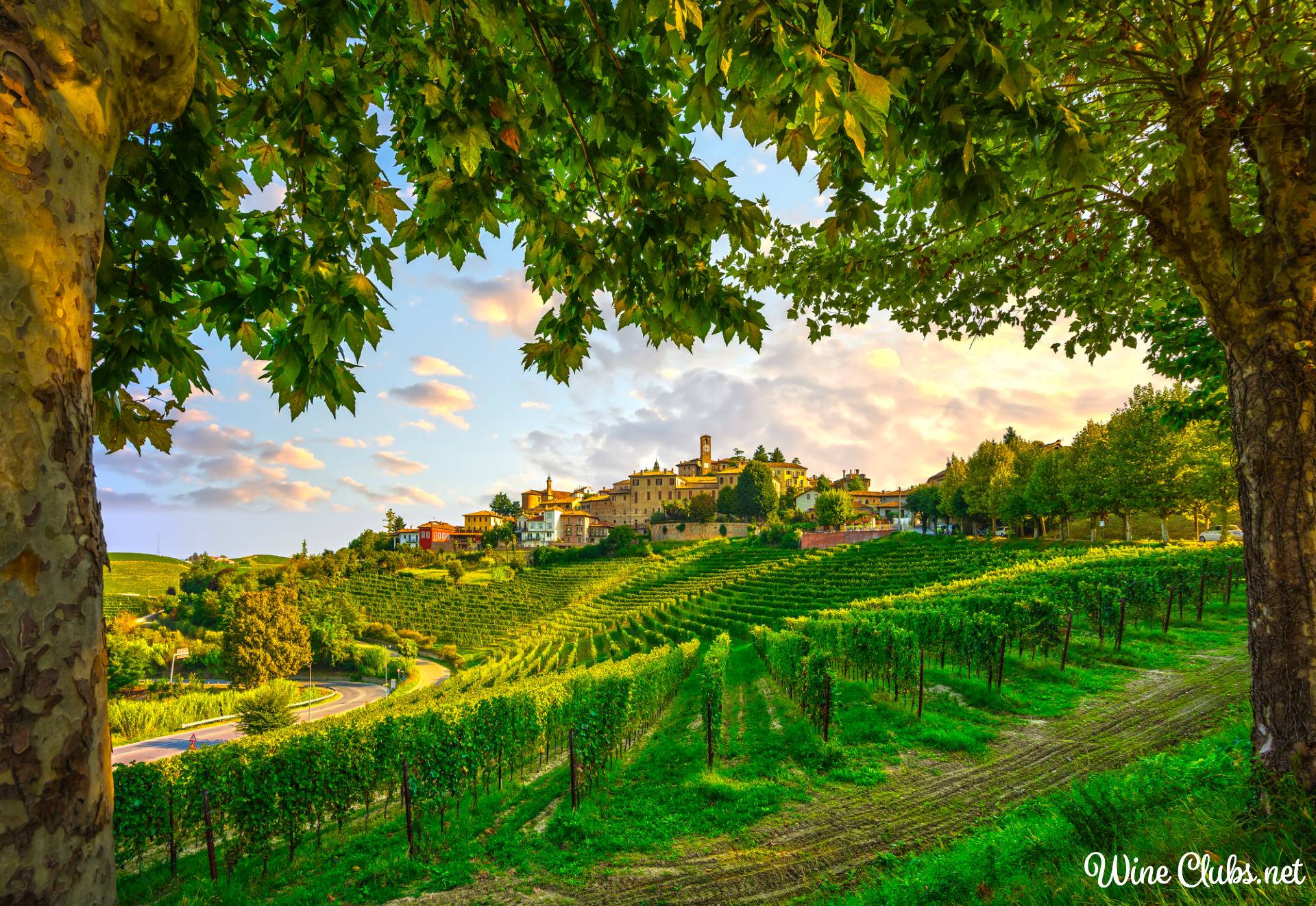
French wine clubs deliver curated selections from the world’s most legendary wine regions—from prestigious Bordeaux châteaux and hallowed Burgundy domaines to elegant Champagne houses, diverse Rhône Valley estates, crisp Loire Valley producers, and the remarkable terroir-driven wines that established France as the global standard for fine wine. Whether you’re passionate about Bordeaux’s structured reds, Burgundy’s ethereal Pinot Noir and Chardonnay, celebrating with Champagne, or exploring France’s incredible regional diversity, French wine club memberships connect you with exceptional wines embodying centuries of winemaking tradition, strict appellations, and the French philosophy that terroir is everything. After reviewing over 150 wine clubs since 2002, we’ve identified the best French wine clubs that deliver outstanding quality, authentic French character, and genuine value for French wine enthusiasts.
What Makes a French Wine Club “Best”?
The best French wine clubs share these essential qualities:
- Authentic French sourcing from châteaux, domaines, and négociants
- Regional diversity showcasing Bordeaux, Burgundy, Champagne, Rhône, Loire, Alsace, and beyond
- Expert curation by French wine specialists understanding appellations and terroir
- Classification knowledge navigating AOC/AOP systems, crus, and quality hierarchies
- Educational approach teaching French wine regions, terroir, and traditional winemaking
- Quality focus on wines expressing classic French wine excellence
- Value proposition making premium French wines accessible
Bottom line: The best French wine clubs deliver wines that capture France’s essence—terroir, tradition, elegance, and the philosophy that wine is an expression of place, not winemaker manipulation.
Top 10 Best French Wine Clubs (2026)
1. French Wine Explorers – Comprehensive Selection
Best for: Comprehensive French wine exploration from premier specialist
Rating: ⭐⭐⭐⭐⭐ (5/5)
Our Take: French Wine Explorers stands as our top choice for French wine enthusiasts seeking authentic, expertly curated French wines from a specialist importer with deep connections throughout France’s wine regions. As a dedicated French wine importer and educator, they source directly from family domaines, prestigious châteaux, and quality-focused négociants across France’s major and minor wine regions—offering unmatched breadth and depth in French wine discovery.
What sets French Wine Explorers apart is their expertise and educational mission. They don’t just import wine—they champion French wine culture, demystify France’s complex appellation system, and maintain the quality standards that make French wine the global benchmark. Their wine club delivers selections spanning everyday regional wines to grand cru Burgundy and classified growth Bordeaux, all chosen by sommeliers who understand French terroir intimately.
The club showcases France’s remarkable diversity: Bordeaux’s structured blends, Burgundy’s site-specific Pinot Noir and Chardonnay, Rhône Valley’s Syrah and Grenache expressions, Loire Valley’s diverse whites and reds, Alsace’s aromatic varietals, and lesser-known regions producing outstanding wines. Educational materials teach French wine geography, appellation systems (AOC/AOP), classification hierarchies (grand cru, premier cru, village), and the philosophy that terroir—not technology—determines wine character.
Wines: Comprehensive French selection from all major regions
Pricing: Multiple tiers from mid-range to premium ($80-200+/month)
Pros:
- Premier French wine importer expertise
- Direct relationships with French producers
- Remarkable regional diversity (Bordeaux to Champagne)
- Educational French wine focus
- Multiple club tiers for different budgets
- Collectible wines (grand cru, classified growths)
- Everyday regional discoveries
- Support French family domaines and châteaux
- Authentic French wine culture
- Expert appellation guidance
Cons:
- French wines only (country focus)
- Premium pricing for top selections
- Shipping from French importer
- Appellation complexity may overwhelm beginners
Who should join: Serious French wine enthusiasts, collectors of Bordeaux and Burgundy, explorers of French wine diversity, terroir devotees, supporters of authentic French wine culture
—
2. Bordeaux Wine Club – Left Bank and Right Bank
Best for: Bordeaux focus – Cabernet and Merlot blends from classified châteaux
Rating: ⭐⭐⭐⭐⭐ (5/5)
Our Take: Bordeaux Wine Club specializes in the world’s most famous wine region, delivering exceptional Bordeaux from Left Bank estates (Médoc, Pauillac, Margaux—Cabernet Sauvignon-dominant, structured, age-worthy) and Right Bank châteaux (Pomerol, Saint-Émilion—Merlot-dominant, softer, earlier-drinking). For lovers of classic Bordeaux and collectors of age-worthy wines, this club provides deep exploration of the region that defines fine wine standards globally.
Bordeaux produces wines of extraordinary complexity and longevity—the 1855 Classification established hierarchy still relevant today, with First Growths (Lafite, Latour, Margaux, Haut-Brion, Mouton Rothschild) commanding astronomical prices while lesser-known châteaux offer similar quality at accessible prices. The club showcases this diversity while educating about Bordeaux’s Left Bank vs. Right Bank styles, vintage variation, and what makes specific appellations special.
What makes Bordeaux wine special is the combination of terroir diversity, centuries of winemaking refinement, and wines designed for aging—quality Bordeaux improves for 10-30+ years, developing incredible complexity (cedar, tobacco, earth, leather) while maintaining structure. The club features both classified growths and value-focused châteaux, proving great Bordeaux exists at multiple price points.
Wines: Bordeaux blends from Left Bank (Cabernet-dominant) and Right Bank (Merlot-dominant)
Pricing: Premium tier ($100-180/month)
Pros:
- Focus on world’s most famous wine region
- Left Bank and Right Bank diversity
- Age-worthy collectible wines (10-30+ years)
- Educational Bordeaux classification system
- Access to classified growth châteaux
- Support historic Bordeaux estates
- Perfect food pairing (beef, lamb)
- Investment-grade wines
- Explore Bordeaux appellations deeply
Cons:
- Bordeaux only (regional focus)
- Premium pricing for classified wines
- Wines require aging for optimal enjoyment
- Vintage variation significant
- Best appreciated by serious collectors
Who should join: Bordeaux collectors, lovers of Cabernet-based blends, wine investors, those with cellars for aging, classic French wine devotees
—
3. Burgundy Wine Club – Côte d’Or and Beyond
Best for: Burgundy Pinot Noir and Chardonnay from legendary terroir
Rating: ⭐⭐⭐⭐⭐ (5/5)
Our Take: Burgundy Wine Club delivers wines from the most terroir-obsessed wine region on earth—where adjacent vineyards produce distinctly different wines due to soil variations, where grand cru and premier cru designations command premium prices, and where Pinot Noir and Chardonnay reach their ultimate expressions. For serious wine collectors and Burgundy devotees, this region produces wines of extraordinary elegance, complexity, and aging potential that set the standard against which all Pinot Noir and Chardonnay are measured.
Burgundy’s classification system divides wines into regional (Bourgogne), village (Gevrey-Chambertin, Meursault), premier cru (specific vineyard sites), and grand cru (the finest vineyard sites). The club features selections across this hierarchy, teaching you how terroir affects wine character—limestone soils producing mineral Chardonnay, clay contributing body and structure, exposition determining ripeness and style.
What makes Burgundy special is the obsessive focus on vineyard site over winemaker ego. Burgundian philosophy holds that wine should taste like where it’s from—the domaine’s job is gentle stewardship, not technological manipulation. The club educates about Burgundy’s complexity, producer quality (domaine bottling vs. négociant), and why Burgundy demands patience—wines often taste best with 5-15+ years cellaring as they develop tertiary complexity.
Wines: Burgundy Pinot Noir and Chardonnay from Côte de Nuits, Côte de Beaune, Chablis, and beyond
Pricing: Premium to luxury ($120-250+/month)
Pros:
- Ultimate Pinot Noir and Chardonnay terroir
- Village, premier cru, and grand cru selections
- Educational Burgundy classification system
- Age-worthy wines with cellaring potential
- Support historic Burgundy domaines
- Collectible wines from prestigious sites
- Perfect food pairing (French cuisine)
- Investment-grade wines
- Learn terroir through direct comparison
Cons:
- Burgundy only (regional focus)
- Premium to luxury pricing
- May require aging for optimal enjoyment
- Burgundy classification extremely complex
- Vintage variation significant
- Best for serious wine enthusiasts
Who should join: Burgundy collectors, Pinot Noir and Chardonnay devotees, wine investors, terroir enthusiasts, those with proper cellaring conditions
—
4. Champagne Club – Prestige Cuvées and Grower Champagnes
Best for: Champagne from grandes marques and artisan growers
Rating: ⭐⭐⭐⭐⭐ (5/5)
Our Take: Champagne Club delivers the world’s finest sparkling wines from prestigious Champagne houses (Moët, Veuve Clicquot, Bollinger, Krug) and artisan grower-producers (récoltant-manipulant) crafting distinctive terroir-driven Champagnes. For lovers of bubbles and those celebrating life’s special moments, Champagne represents sparkling wine’s pinnacle—wines of extraordinary complexity, elegance, and the ability to age gracefully for decades.
Champagne’s méthode champenoise (traditional method) produces wines through secondary fermentation in bottle, extended aging on lees (minimum 15 months for non-vintage, 36 months for vintage), and meticulous blending creating consistent house styles. The club showcases diversity: brut non-vintage (house flagships), vintage Champagnes (exceptional years only), blanc de blancs (100% Chardonnay), blanc de noirs (Pinot Noir and/or Meunier), rosé Champagne, and prestige cuvées (each house’s finest).
What makes Champagne special is the combination of chalky terroir (providing minerality and acidity), cool climate (preserving freshness), centuries of refinement, and wines that pair beautifully with food—not just celebration toasts but entire meals. The club educates about Champagne’s regions (Montagne de Reims, Vallée de la Marne, Côte des Blancs), house styles, and grower Champagnes offering unique terroir expressions.
Wines: Champagne from grandes marques and grower-producers
Pricing: Premium tier ($100-200+/month)
Pros:
- World’s finest sparkling wines
- Prestigious Champagne houses
- Grower Champagne terroir expressions
- Vintage and non-vintage selections
- Educational Champagne methods and regions
- Age-worthy prestige cuvées
- Perfect for celebrations and food pairing
- Access to allocated Champagnes
- Support Champagne excellence
Cons:
- Champagne only (category focus)
- Premium pricing for prestige cuvées
- Shipping fragile bottles requires care
- Best consumed relatively young (except prestige cuvées)
- May focus on familiar brands vs. growers
Who should join: Champagne enthusiasts, sparkling wine collectors, celebrators of life, food pairing devotees, luxury wine lovers
—
5. Rhône Valley Wine Club – Northern and Southern Rhône
Best for: Rhône wines featuring Syrah, Grenache, and blends
Rating: ⭐⭐⭐⭐⭐ (5/5)
Our Take: Rhône Valley Wine Club delivers exceptional wines from France’s diverse Rhône regions—Northern Rhône’s steep hillside Syrah vineyards (Hermitage, Côte-Rôtie, Cornas) producing powerful, age-worthy wines, and Southern Rhône’s Grenache-based blends (Châteauneuf-du-Pape, Gigondas) offering approachable warmth and spice. For lovers of Syrah and Rhône-style blends, this region produces wines combining power with elegance, fruit with earth, and immediate appeal with aging potential.
The Rhône Valley’s diversity creates remarkable wine variety within one region. Northern Rhône (cool climate, granite soils) produces singular Syrah expressions—black pepper, olive, smoke, structured tannins, and wines aging 10-30+ years. Southern Rhône (warm Mediterranean climate, diverse soils) crafts Grenache-dominated blends with ripe fruit, garrigue (wild herbs), and the distinctive “Châteauneuf” style combining power and drinkability.
The club educates about Rhône’s northern vs. southern divide, cru appellations (Hermitage, Côte-Rôtie, Châteauneuf-du-Pape), and traditional vs. modern winemaking approaches. You’ll discover white Rhône wines (Viognier, Marsanne, Roussanne blends) alongside renowned reds, proving the Rhône produces complete wine diversity.
Wines: Northern Rhône Syrah and Southern Rhône blends (red and white)
Pricing: Mid to premium range ($80-140/month)
Pros:
- Northern and Southern Rhône diversity
- Syrah from its French birthplace
- Grenache-based blend excellence
- Age-worthy Northern Rhône (Hermitage, Côte-Rôtie)
- Approachable Southern Rhône (Châteauneuf-du-Pape)
- Educational Rhône wine geography
- Good value for quality
- White Rhône discoveries
- Support traditional Rhône producers
Cons:
- Rhône Valley only (regional focus)
- Northern Rhône premium pricing
- Syrah and Grenache focus (limited varietal diversity)
- Some wines need aging
- Southern Rhône can be very ripe/alcoholic
Who should join: Syrah enthusiasts, lovers of Rhône-style blends, Châteauneuf-du-Pape fans, value-conscious French wine seekers, age-worthy wine collectors
—
6. Loire Valley Wine Club – Diverse Whites and Reds
Best for: Loire Valley diversity – Sauvignon Blanc, Chenin Blanc, Cabernet Franc
Rating: ⭐⭐⭐⭐ (4/5)
Our Take: Loire Valley Wine Club showcases France’s most diverse wine region—from crisp Sancerre and Pouilly-Fumé (Sauvignon Blanc) to versatile Vouvray and Savennières (Chenin Blanc), elegant Chinon and Bourgueil (Cabernet Franc), and sparkling Crémant de Loire. The Loire produces wines spanning bone-dry to lusciously sweet, still to sparkling, light-bodied to age-worthy, all united by bright acidity and food-friendly character.
The Loire Valley follows the Loire River from Atlantic Ocean to central France, creating remarkable climate and soil diversity. Western Loire (maritime influence) produces crisp Muscadet perfect with oysters. Central Loire (continental climate) crafts Sancerre and Pouilly-Fumé—Sauvignon Blanc’s purest expressions. Touraine produces Vouvray spanning dry to sweet, still to sparkling. Anjou-Saumur offers everything from dry Savennières to sweet Coteaux du Layon.
The club educates about Loire’s diversity, Chenin Blanc’s versatility (dry, off-dry, sweet, sparkling, age-worthy), and why Loire wines excel with food—especially seafood, goat cheese, and lighter preparations. These are sophisticated wines offering exceptional value—quality rivaling Burgundy and Bordeaux at fraction of prices.
Wines: Loire Valley wines – Sauvignon Blanc, Chenin Blanc, Cabernet Franc, Muscadet, sparkling
Pricing: Mid-range ($65-110/month), excellent value
Pros:
- Incredible Loire Valley diversity
- Sauvignon Blanc from source (Sancerre, Pouilly-Fumé)
- Chenin Blanc versatility (dry to sweet)
- Cabernet Franc elegance (Chinon, Bourgueil)
- Exceptional value for quality
- Food-friendly wines (seafood, cheese)
- Educational Loire wine geography
- Age-worthy Chenin Blanc
- Discover lesser-known Loire appellations
Cons:
- Loire Valley only (regional focus)
- May overwhelm with diversity
- Less prestigious than Bordeaux/Burgundy
- Chenin Blanc unfamiliar to many
- Some wines very dry/austere
Who should join: Loire wine enthusiasts, Sauvignon Blanc lovers, Chenin Blanc explorers, value-conscious French wine seekers, seafood and cheese pairers
—
7. Alsace Wine Club – Riesling and Aromatic Varietals
Best for: Alsace Riesling, Gewürztraminer, Pinot Gris, and aromatic whites
Rating: ⭐⭐⭐⭐⭐ (5/5)
Our Take: Alsace Wine Club specializes in this unique French region producing aromatic white wines with Germanic precision and French elegance. Alsace crafts exceptional Riesling (dry and precise), Gewürztraminer (exotic and aromatic), Pinot Gris (rich and textured), Pinot Blanc (crisp and refreshing), and Muscat (floral and delicate)—all with food-friendly balance and the ability to pair with challenging cuisines like Asian, Indian, and Moroccan.
Alsace represents white wine perfection—cool climate preserving acidity, abundant sunshine ripening grapes fully, diverse soils creating terroir diversity, and winemaking traditions emphasizing purity and precision. The region’s unique classification system (including 51 Grand Cru vineyards) ensures quality, while the practice of varietal labeling (unusual in France) makes Alsace wines accessible to wine enthusiasts.
The club showcases Alsace’s diversity—from everyday wines perfect for casual drinking to Grand Cru bottlings worthy of cellaring, from bone-dry Riesling to late-harvest Vendange Tardive dessert wines. Educational materials teach Alsace’s history (Franco-Germanic influence), terroir, and why this region produces whites that bridge Old World and New World sensibilities.
Wines: Alsace Riesling, Gewürztraminer, Pinot Gris, Pinot Blanc, Muscat
Pricing: Mid to premium range ($75-130/month)
Pros:
- Aromatic white wine excellence
- Incredible varietal diversity
- Perfect for spicy cuisine pairing
- Grand Cru terroir expressions
- Educational Alsace wine focus
- Dry to sweet style range
- Age-worthy Riesling from top sites
- Germanic precision, French elegance
- Support Alsace family estates
Cons:
- Alsace only (regional focus)
- Aromatic style not for everyone
- Gewürztraminer polarizing
- Premium pricing for Grand Cru
- White wines only (very limited reds)
Who should join: Alsace wine enthusiasts, lovers of aromatic whites, Riesling and Gewürztraminer fans, spicy food pairing seekers, white wine collectors
—
8. Southern France Wine Club – Languedoc-Roussillon and Provence
Best for: Southern French wines and excellent value
Rating: ⭐⭐⭐⭐ (4/5)
Our Take: Southern France Wine Club delivers exceptional wines from France’s sun-drenched south—Languedoc-Roussillon’s diverse reds and whites offering remarkable value, Provence’s elegant rosés and underrated reds, and regional specialties from areas historically dismissed as bulk wine country but now producing world-class wines at accessible prices. For value-conscious French wine lovers and explorers of emerging regions, southern France proves great French wine doesn’t require Bordeaux or Burgundy addresses.
Southern France underwent a quality revolution over the past 30 years—winemakers reduced yields, embraced indigenous varietals, invested in modern equipment, and proved Mediterranean France produces wines rivaling northern regions at fraction of prices. Languedoc crafts powerful Syrah, Grenache, and Mourvèdre blends; Roussillon offers sweet Banyuls and Maury; Provence produces world-class rosé and serious reds.
The club educates about southern France’s diversity, indigenous varietals (Carignan, Mourvèdre, Picpoul, Roussanne), and the quality transformation making this France’s most exciting wine frontier. These are wines offering Rhône-like power, Mediterranean warmth, and prices that make French wine accessible to everyone.
Wines: Southern French wines from Languedoc-Roussillon, Provence, Corbières, and beyond
Pricing: Budget to mid-range ($55-90/month), exceptional value
Pros:
- Exceptional value for quality
- Southern France diversity
- Provence rosé excellence
- Powerful Mediterranean reds
- Educational emerging region focus
- Indigenous varietals
- Good for everyday drinking
- Support southern French quality revolution
- Discover underrated French regions
Cons:
- Southern France only (regional focus)
- Less prestigious than northern regions
- Can be very ripe/alcoholic
- Variable quality across diverse areas
- Limited aging potential for most wines
Who should join: Value-conscious French wine lovers, rosé enthusiasts, explorers of emerging regions, everyday drinking wine seekers, Mediterranean wine fans
—
9. French Natural Wine Club
Best for: French natural wines and minimal intervention
Rating: ⭐⭐⭐⭐ (4/5)
Our Take: French Natural Wine Club specializes in natural wines from French producers practicing organic or biodynamic farming with minimal intervention winemaking—native yeast fermentation, low or no added sulfites, no fining or filtration, and complete respect for terroir expression. For lovers of natural wine and those seeking authentic, unmanipulated French wines, this club delivers selections from France’s natural wine movement leaders.
France pioneered natural wine through vignerons rejecting industrial winemaking—Loire Valley producers like Nicolas Joly championing biodynamics, Beaujolais growers reviving carbonic maceration traditions, and young winemakers throughout France proving great wine doesn’t require technological intervention. The club features selections from established natural wine regions (Loire, Beaujolais, Jura) and emerging producers.
What makes French natural wines special is purity and terroir transparency—these wines taste distinctly like where they’re from, expressing soil and climate without manipulation. The club educates about natural winemaking philosophy, why natural wines can taste funky or rustic, and the distinction between natural, organic, and biodynamic wines.
Wines: French natural wines from Loire, Beaujolais, Jura, and emerging regions
Pricing: Mid-range ($70-110/month)
Pros:
- Authentic natural wine focus
- Organic/biodynamic farming
- Minimal intervention winemaking
- Terroir transparency
- Educational natural wine approach
- Support French natural wine movement
- Discover vanguard producers
- Wines taste genuinely alive
Cons:
- Natural wine style not for everyone
- Can be funky, rustic, or challenging
- Higher prices for artisan production
- Limited availability from small producers
- May lack polish of conventional wines
Who should join: Natural wine enthusiasts, adventurous wine drinkers, organic/biodynamic supporters, those seeking unmanipulated French terroir
—
10. Comprehensive French Wine Discovery Club
Best for: Maximum French wine diversity and education
Rating: ⭐⭐⭐⭐ (4/5)
Our Take: Comprehensive French Wine Discovery Club delivers wines from across France’s major regions, showcasing the incredible diversity that makes French wine the global standard—from Bordeaux’s structured reds to Burgundy’s ethereal Pinot, from Champagne’s bubbles to Loire’s versatile whites, from Rhône’s powerful Syrah to Alsace’s aromatic varieties. This educational approach teaches French wine geography, appellation systems, and regional winemaking traditions through monthly discoveries.
France produces unmatched wine diversity—hundreds of appellations, strict quality controls (AOC/AOP), terroir-focused winemaking, and styles spanning every wine category. The club’s strength lies in comparative education—tasting Pinot Noir from Burgundy vs. Alsace, comparing northern and southern Rhône Syrah, understanding how French terroir affects the same varietal.
What makes this club valuable is breadth rather than depth—you’re building comprehensive French wine knowledge rather than specializing in Bordeaux or Burgundy. Each month brings new regions, appellations, and producers, creating wine education covering French wine’s full spectrum. Perfect for explorers and those beginning their French wine journey.
Wines: Comprehensive French selection from all major regions
Pricing: Mid to premium range ($80-130/month)
Pros:
- Maximum French wine diversity
- Educational regional exploration
- All major French wine regions
- Compare different French terroirs
- Build comprehensive French wine knowledge
- Discover lesser-known appellations
- Support diverse French producers
- Perfect for French wine education
- Appellation system demystified
Cons:
- Less depth in any single region
- Variable styles month-to-month
- May prefer regional focus
- Quality varies across diverse selections
- Can overwhelm beginners with complexity
Who should join: French wine explorers, those building French wine knowledge, comparative learners, adventurous wine drinkers, France travel enthusiasts
—
Understanding French Wine Regions
Bordeaux – Structured Blends and Classified Growths
Location: Southwestern France, Gironde estuary region
Climate: Maritime with Atlantic Ocean influence
Key Wines:
- Left Bank (Médoc, Pauillac, Margaux, Graves): Cabernet Sauvignon-dominant blends, structured, age-worthy, gravel soils
- Right Bank (Pomerol, Saint-Émilion): Merlot-dominant blends, softer, earlier-drinking, clay and limestone soils
- Sauternes: Sweet wines from botrytis-affected grapes, luscious, age-worthy
- Dry whites: Sauvignon Blanc and Sémillon blends (Pessac-Léognan, Entre-Deux-Mers)
Food Pairing: Lamb (with Pauillac), beef, duck confit, aged hard cheeses, rich stews
Characteristics: Blended wines (multiple varietals), age-worthiness (10-30+ years), 1855 Classification prestige, investment-grade wines
—
Burgundy – Terroir and Pinot Noir/Chardonnay
Location: Eastern France, Dijon to Lyon
Climate: Cool continental with limestone soils
Key Wines:
- Côte de Nuits (red Burgundy): Pinot Noir from Gevrey-Chambertin, Vosne-Romanée, Chambolle-Musigny, powerful and age-worthy
- Côte de Beaune (red and white): Pinot Noir (Pommard, Volnay) and Chardonnay (Meursault, Puligny-Montrachet), elegant and mineral
- Chablis: Unoaked Chardonnay, steely, mineral, oyster-perfect
- Beaujolais: Gamay, fruity, lighter-bodied (Beaujolais-Villages, Cru Beaujolais)
Food Pairing: Coq au vin, duck, game birds, mushroom dishes, soft cheeses, escargot
Characteristics: Single-varietal wines, terroir obsession, grand cru/premier cru hierarchy, most expensive wines globally
—
Champagne – Méthode Champenoise Sparklers
Location: Northeastern France, near Reims and Épernay
Climate: Cool continental, chalky soils
Key Wines:
- Brut Non-Vintage: House flagship, consistent style, blend of years
- Vintage Champagne: Exceptional years only, age-worthy, prestigious
- Blanc de Blancs: 100% Chardonnay, elegant, mineral, Côte des Blancs
- Blanc de Noirs: Pinot Noir and/or Meunier, fuller-bodied, structured
- Rosé Champagne: Pink sparklers, fruity, versatile
- Prestige Cuvée: Each house’s finest (Dom Pérignon, Cristal, etc.)
Food Pairing: Oysters, caviar, fried foods, seafood, cheese (surprisingly versatile with full meals)
Characteristics: Traditional method (bottle fermentation), extended aging, chalky minerality, celebration and luxury
—
Rhône Valley – Syrah and Grenache Excellence
Location: Southeastern France, following Rhône River
Climate: Continental (north) to Mediterranean (south)
Key Wines:
- Northern Rhône: 100% Syrah (Hermitage, Côte-Rôtie, Cornas), powerful, age-worthy, peppery
- Southern Rhône: Grenache-based blends (Châteauneuf-du-Pape, Gigondas, Vacqueyras), warm, spicy, approachable
- White Rhône: Viognier (Condrieu), Marsanne/Roussanne blends, rich and aromatic
Food Pairing: Grilled lamb, cassoulet, daube (braised beef), herbes de Provence dishes, charcuterie
Characteristics: Northern elegance vs. Southern power, Syrah’s French birthplace, good value vs. Bordeaux/Burgundy
—
Loire Valley – Versatile Whites and Elegant Reds
Location: Western and central France, Loire River valley
Climate: Maritime (west) to continental (east)
Key Wines:
- Sancerre/Pouilly-Fumé: Sauvignon Blanc, crisp, mineral, flint and citrus
- Vouvray: Chenin Blanc (dry to sweet, still to sparkling), versatile, age-worthy
- Chinon/Bourgueil: Cabernet Franc, elegant reds, lighter-bodied, pencil shavings and red fruit
- Muscadet: Melon de Bourgogne, lean, saline, oyster-perfect
- Savennières: Dry Chenin Blanc, powerful, mineral, age-worthy
Food Pairing: Seafood (oysters, mussels), goat cheese (Sancerre’s classic pairing), river fish, light preparations
Characteristics: Incredible diversity within one region, bright acidity, food-friendly, exceptional value
—
Alsace – Aromatic Whites and Germanic Precision
Location: Northeastern France, German border
Climate: Cool continental with abundant sunshine, rain shadow
Key Wines:
- Riesling: Dry and precise, mineral, citrus, ages beautifully
- Gewürztraminer: Exotic, lychee, rose, spicy, aromatic
- Pinot Gris: Rich, textured, stone fruit, full-bodied
- Pinot Blanc: Crisp, refreshing, everyday drinking
- Muscat: Floral, delicate, aromatic
- Vendange Tardive/Sélection de Grains Nobles: Late harvest/botrytis dessert wines
Food Pairing: Choucroute garnie (Alsatian sauerkraut), Asian cuisine, Indian food, foie gras, Munster cheese
Characteristics: Aromatic varietals, dry to sweet range, Grand Cru vineyards, perfect for spicy food
—
French Wine Classification Systems
AOC/AOP (Appellation d’Origine Contrôlée/Protégée)
Meaning: “Controlled/Protected Designation of Origin” – France’s quality wine classification
Requirements:
- Strict regulations on grape varieties, vineyard locations, yields, winemaking methods, and alcohol levels
- Smaller, more specific appellations generally indicate higher quality
- Each appellation defines its terroir and traditional practices
- Guarantees geographic origin and production standards
Hierarchy (from broadest to most specific):
- Regional: Bourgogne, Bordeaux (large areas, basic quality)
- Sub-regional: Haut-Médoc, Côte de Beaune (smaller zones)
- Communal/Village: Pauillac, Gevrey-Chambertin (specific villages, higher quality)
- Premier Cru: Specific superior vineyard sites (Burgundy)
- Grand Cru: Finest vineyard sites (Burgundy, Alsace, Champagne)
What it means: More specific appellation = stricter rules = typically higher quality and price
—
Bordeaux Classification (1855 and Others)
1855 Classification (Médoc and Sauternes):
- First Growths (Premiers Crus): 5 châteaux – Lafite, Latour, Margaux, Haut-Brion, Mouton Rothschild
- Second through Fifth Growths: 60 total classified châteaux
- Still relevant 170 years later (though controversial and outdated for some estates)
Other Bordeaux Classifications:
- Saint-Émilion Classification: Updated periodically, includes Premier Grand Cru Classé A (top tier)
- Graves Classification: Classified red and white wines from Pessac-Léognan
- Crus Bourgeois: Quality Médoc châteaux below classified growths
—
Burgundy Classification
Grand Cru:
- 33 Grand Cru vineyards (best sites in Burgundy)
- Labels show vineyard name only (e.g., “Chambertin” without village name)
- Represent less than 2% of Burgundy production
- Most expensive and age-worthy Burgundy
Premier Cru:
- 640+ Premier Cru vineyards (excellent sites)
- Labels show village + vineyard (e.g., “Gevrey-Chambertin Les Cazetiers”)
- High quality, more accessible than Grand Cru
Village:
- Named after village/commune (e.g., “Meursault,” “Pommard”)
- Good quality from specific villages
- Entry point to classified Burgundy
Regional:
- Bourgogne Rouge/Blanc (basic Burgundy)
- Good value introduction to Burgundy
—
French Wine and Food Pairing Principles
Why French Wine Excels with Food
French wines are crafted for food pairing—centuries of evolution alongside French cuisine:
- Bright acidity: Cuts through butter, cream, and rich French sauces
- Moderate alcohol: Doesn’t overwhelm delicate French preparations (typically 12-13.5%)
- Terroir expression: Regional wines evolved with regional cuisine
- Savory notes: Earth, minerals, herbs complement savory French cooking
- Structured tannins: Red wine tannins soften with protein and fat
Classic French Wine and Food Pairings
Bordeaux (Red):
- Roast lamb with Pauillac (classic pairing)
- Entrecôte (ribeye) with Médoc
- Duck confit with Saint-Émilion
- Aged Comté cheese
Burgundy (Red):
- Coq au vin (chicken in wine sauce)
- Boeuf bourguignon (beef braised in Burgundy)
- Duck breast with Chambolle-Musigny
- Wild mushroom dishes
- Époisses cheese (pungent, creamy)
Burgundy (White):
- Escargot with Chablis
- Lobster thermidor with Meursault
- Poulet à la crème with white Burgundy
- Comté cheese
Champagne:
- Oysters (classic pairing)
- Caviar with prestige cuvée
- Fried chicken or tempura
- Entire meals (more versatile than people realize)
Loire Valley Whites:
- Goat cheese with Sancerre (iconic pairing)
- Oysters with Muscadet
- River fish (pike, perch) with Loire whites
- Asparagus with Sauvignon Blanc
Rhône Valley Reds:
- Cassoulet with Côtes du Rhône
- Lamb daube with Châteauneuf-du-Pape
- Grilled lamb chops with Hermitage
- Herbes de Provence dishes
Alsace Whites:
- Choucroute garnie with Riesling
- Foie gras with Gewürztraminer
- Asian cuisine with off-dry Riesling
- Munster cheese with Gewürztraminer
—
French Wine Club FAQs
Q: What’s the best French wine club for beginners?
A: Comprehensive French Wine Discovery Club offers maximum diversity and education, perfect for learning French wine regions and appellations. Loire Valley Wine Club provides accessible, food-friendly wines at good value. Southern France Wine Club delivers quality at budget-friendly prices.
Q: Are French wines more expensive than other wines?
A: Prestigious French wines (classified growth Bordeaux, grand cru Burgundy, prestige Champagne) command premium to luxury prices. However, many French wines offer exceptional value—Loire Valley, Southern France, lesser-known Bordeaux châteaux, and village-level Burgundy provide world-class quality at accessible prices. French wine clubs help navigate quality-to-price sweet spots.
Q: How long can French wines age?
A: French wines are among the world’s most age-worthy: Classified growth Bordeaux (20-50+ years), Grand Cru Burgundy (15-40+ years), Northern Rhône Syrah (15-30+ years), Sauternes (30-100+ years), vintage Champagne (10-30+ years), and aged Loire Chenin Blanc (20-50+ years). Proper cellaring reveals extraordinary complexity.
Q: What does AOC mean on French wine labels?
A: AOC (Appellation d’Origine Contrôlée), now AOP (Appellation d’Origine Protégée), is France’s quality wine classification guaranteeing geographic origin and production standards. More specific appellations (village vs. regional) typically indicate higher quality. It’s France’s system for protecting terroir and traditional winemaking.
Q: Should I decant French wines?
A: Young French red wines with powerful tannins (Bordeaux, Northern Rhône, young Burgundy) benefit from 1-2 hours decanting to soften tannins and open aromatics. Older wines (15+ years) should be decanted gently to separate sediment but served immediately to preserve delicate aged characteristics. Most French white wines don’t require decanting.
Q: What’s the difference between Left Bank and Right Bank Bordeaux?
A: Left Bank Bordeaux (Médoc, Pauillac, Margaux, Graves) is Cabernet Sauvignon-dominant, structured, tannic, and age-worthy—gravel soils favor Cabernet. Right Bank (Pomerol, Saint-Émilion) is Merlot-dominant, softer, rounder, and earlier-drinking—clay and limestone soils favor Merlot. Both produce world-class wines in different styles.
Q: Why is Burgundy so expensive?
A: Burgundy’s high prices reflect: tiny vineyard holdings (many producers own <1 hectare), grand cru/premier cru classification limiting supply, global demand for benchmark Pinot Noir and Chardonnay, challenging vintages reducing supply, and centuries of prestige. Village-level Burgundy offers better value while maintaining quality.
Q: Are all French wines meant to be paired with food?
A: French wine culture emphasizes food pairing—wines evolved alongside French cuisine with characteristics (acidity, tannin structure, moderate alcohol) designed to complement food. While you can enjoy French wines solo, they truly shine at the table. This food-centric philosophy makes French wines incredibly versatile for dining.
Q: What temperature should I serve French red wines?
A: Serve lighter French reds (Beaujolais, Loire Cabernet Franc) cool (55-60°F). Medium-bodied reds (village Burgundy, lighter Bordeaux) at 60-65°F. Full-bodied wines (classified Bordeaux, grand cru Burgundy, Northern Rhône) at 62-67°F. Never serve at room temperature (too warm)—refrigerate 15-30 minutes before serving.
Q: Can I cellar French wines from wine clubs?
A: Absolutely! Premium French wine clubs feature age-worthy selections: classified Bordeaux, grand cru/premier cru Burgundy, Northern Rhône, vintage Champagne, and sweet wines all improve with 10-50+ years cellaring. Budget clubs deliver drink-now wines. Ask your club about aging potential—many French wines require patience but reward cellaring magnificently.
Explore More Wine Club Reviews
Interested in other wine club options? Check out our comprehensive guides:
- Best Wine Clubs → Our top-rated wine subscriptions across all categories
- Best Red Wine Clubs → Explore red wine subscriptions
- Best White Wine Clubs → White wine subscriptions reviewed
- Best Italian Wine Clubs → Italian wine subscriptions reviewed
- All Wine Club Reviews → Browse our complete review library
Start Your French Wine Journey
French wine clubs connect you with wines from the country that established global wine standards—from Bordeaux’s classified châteaux and Burgundy’s hallowed grand crus to Champagne’s prestigious houses and the remarkable diversity of Loire, Rhône, Alsace, and beyond. Whether you’re passionate about specific French regions (Bordeaux, Burgundy, Champagne), collecting age-worthy French wines, or exploring France’s incredible appellations and terroir-driven winemaking, French wine club memberships deliver exceptional wines that honor centuries of French wine tradition.
The best French wine club for you depends on your regional interests (single region vs. comprehensive France), wine style preferences (Bordeaux structure vs. Burgundy elegance vs. Rhône power), budget (everyday regional wines vs. collectible classified growths), and wine knowledge level (focused education vs. broad exploration). Start with clubs offering satisfaction guarantees and expert French wine curation, allowing you to discover French wines with confidence while building knowledge of the world’s most influential wine country.
French wine represents more than exceptional quality—it embodies the philosophy that wine expresses terroir, that centuries of tradition matter, that strict appellations protect authenticity, and that wine exists to accompany food and enhance life’s pleasures. From medieval monastery vineyards to today’s grand cru domaines, French wine tells stories of place, tradition, and the belief that great wine cannot be rushed or manufactured—only coaxed from the right grapes, grown in the right place, by people who respect what came before.
Ready to discover exceptional French wines? Choose a club from our top 10 and start your French wine journey today! Santé! 🍷🇫🇷
Related Resources
Best Wine Clubs – Top-rated wine subscriptions across all categories
Best Red Wine Clubs – Explore red wine subscriptions including French reds
Best White Wine Clubs – White wine subscriptions including French whites
Best Pinot Noir Wine Clubs – Burgundy and beyond
Wine Club Reviews – Complete library of honest wine club reviews
Wine Tasting Guides – Visit French wine regions
Bordeaux Wine Tasting – Explore Left Bank and Right Bank
Burgundy Wine Tasting – Visit Côte d’Or and Chablis